


Share This Article
Trnava, one of the oldest cities in Slovakia, is often called the “Little Rome” due to its remarkably high number of churches and its long-standing religious significance within the Kingdom of Hungary. It is a place where history meets modernity — medieval walls and baroque towers stand side by side with cafés, murals, and contemporary restaurants. Thanks to its excellent location, rich cultural offer, and numerous attractions both in the city and throughout the region, Trnava is a perfect destination for a short weekend trip or a longer exploration of western Slovakia.
I already know that I need to return to this region, because the time we spent there was definitely too short. If you’re planning a visit to Trnava, book at least a weekend — just like we did — as it will give you a solid first impression of the city and its surroundings.
Location and Transport
Trnava is one of the oldest and most important Slovak cities, located in the western part of the country, just 50 kilometres from Bratislava. Its strategic position makes it an excellent gateway to the Little Carpathians region while also being an attractive destination on its own.
The city lies along the main railway and road routes connecting Bratislava with Trenčín and, further north, with Žilina. This makes getting here incredibly easy. A train ride from Bratislava takes less than 40 minutes, and travelling by car takes a similar amount of time. Convenient transport links also mean that Trnava is easily accessible from Vienna or Budapest. From Kielce it takes us about 6 hours by car, from Kraków around 5 hours, and from Katowice approximately 4.
Trnava is also an important academic and economic centre, which translates into well-developed urban infrastructure. For those travelling without a car, the modern and well-connected train station located close to the city centre is a major advantage. From the airports in Bratislava and Vienna, you can reach Trnava quickly by regional buses, making the city easily accessible from virtually anywhere in Central Europe.
Where to Stay and Eat
Trnava offers a wide range of accommodation options — from high-standard hotels to cosy guesthouses and central apartments. If you’re looking for luxury, you’ll find modern hotels with full spa facilities, including pools and saunas. Travellers searching for something more atmospheric will appreciate family-run guesthouses in historic townhouses, where local hospitality blends with regional heritage. For those planning active sightseeing in the surrounding area, holiday apartments or countryside agritourism stays in nearby villages are also excellent options.
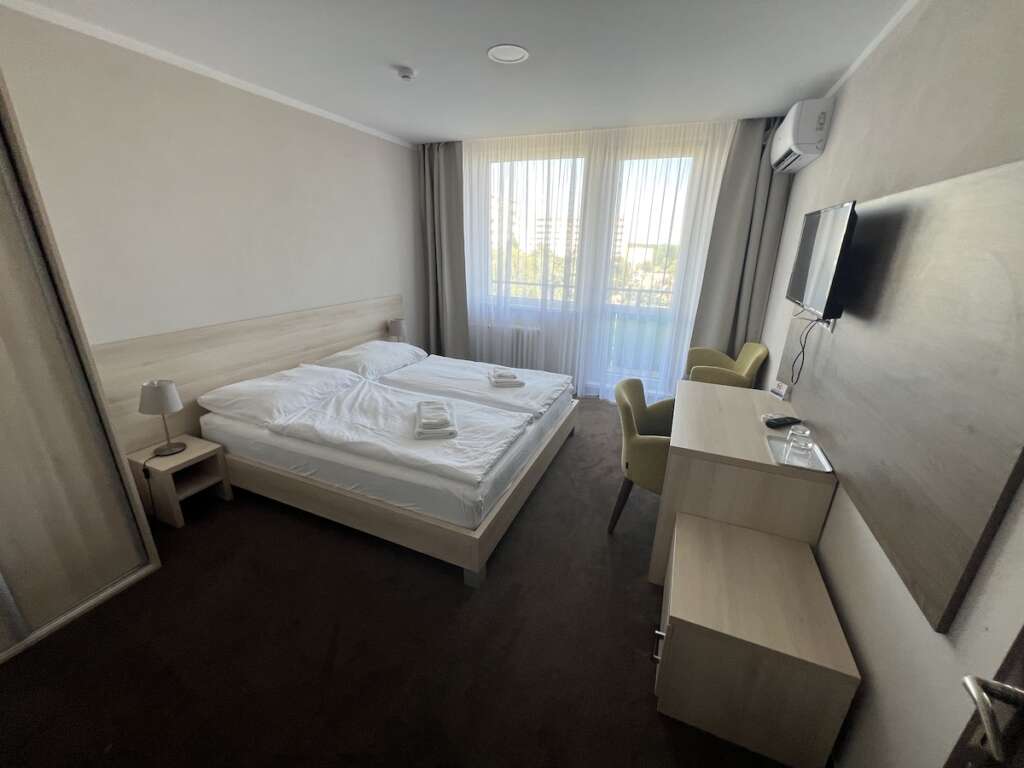
Our base was the Hotel Spectrum, a 3-star hotel located about a 15-minute walk from the old town walls. Beautifully renovated interiors, spacious rooms and delicious breakfasts make it a place I can wholeheartedly recommend.
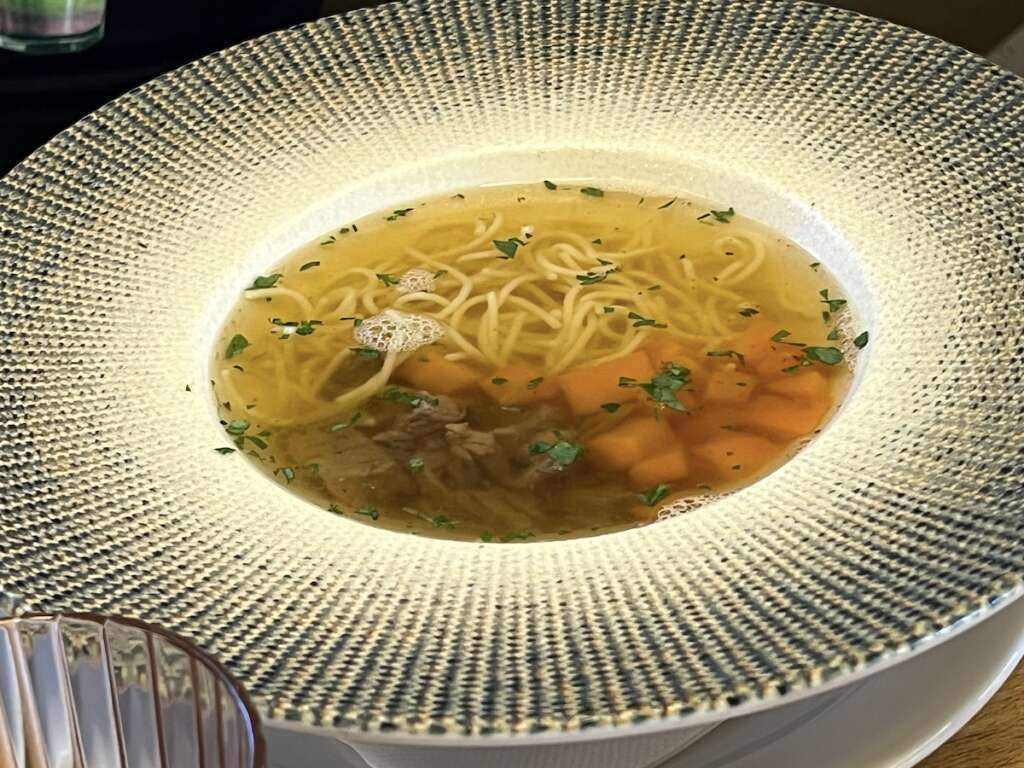
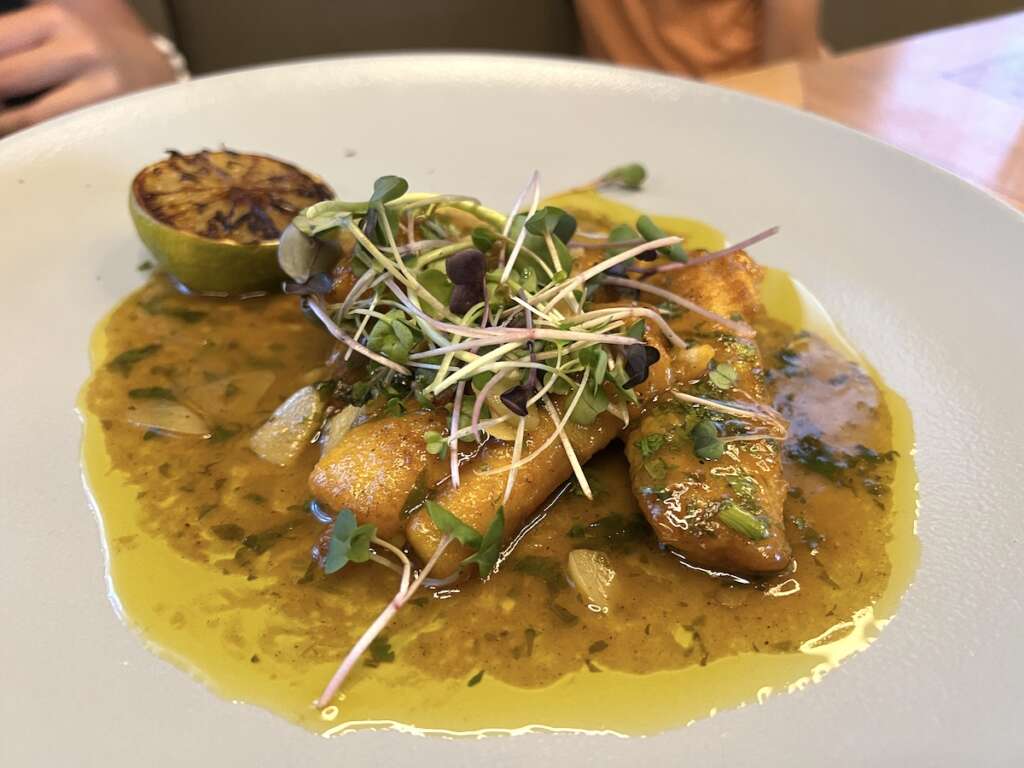
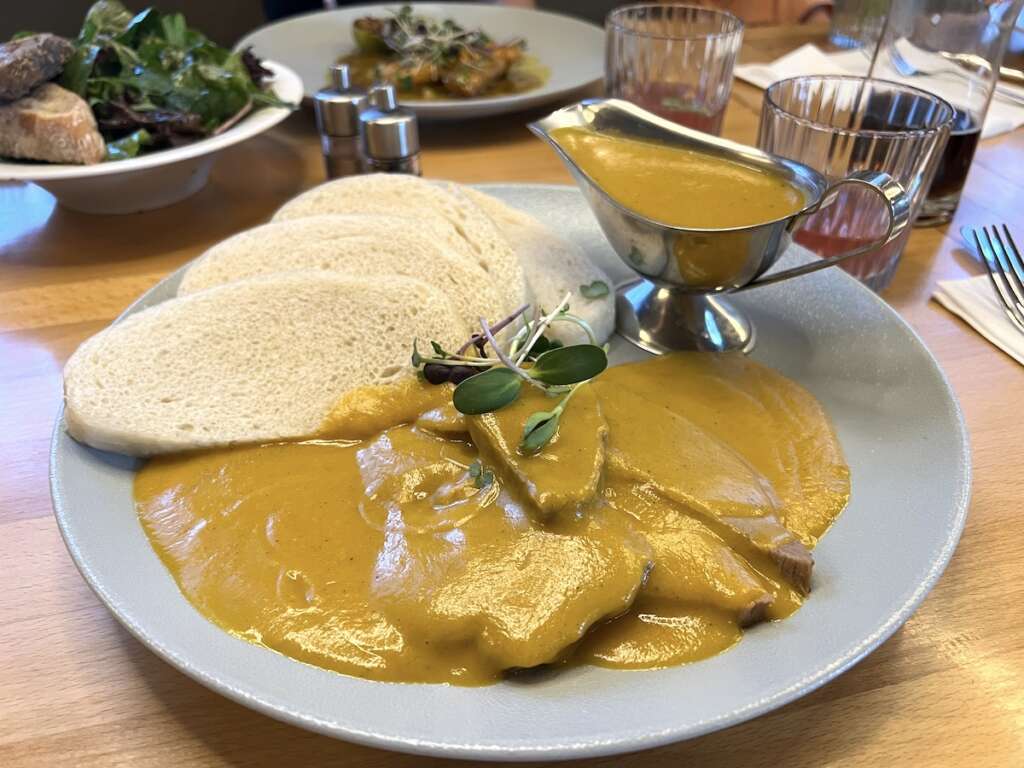
Cuisine in Trnava combines Slovak culinary traditions with modern influences. Restaurants offer classic dishes such as halušky with bryndza and bacon, kapustnica, or roasted meats, but also light, contemporary creations based on local products. We had lunch at Restaurant Patriot — besides tasty food, they offer local wines and also run a guesthouse. Alongside traditional Slovak dishes you can try international specialities — tasty and beautifully served.
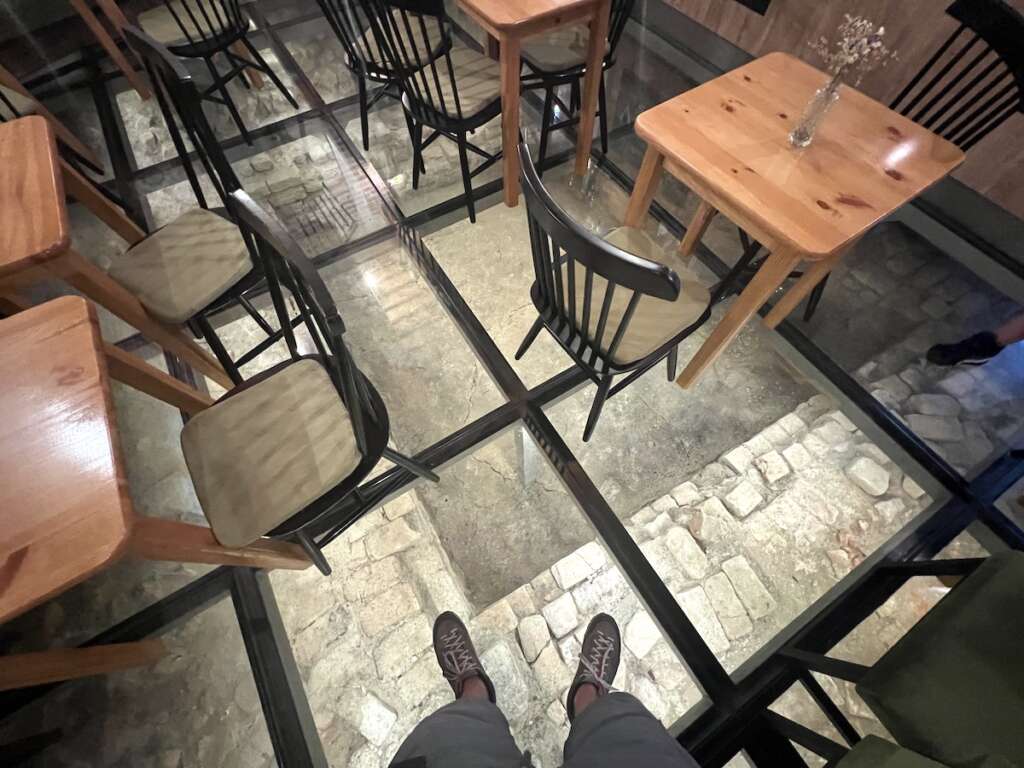
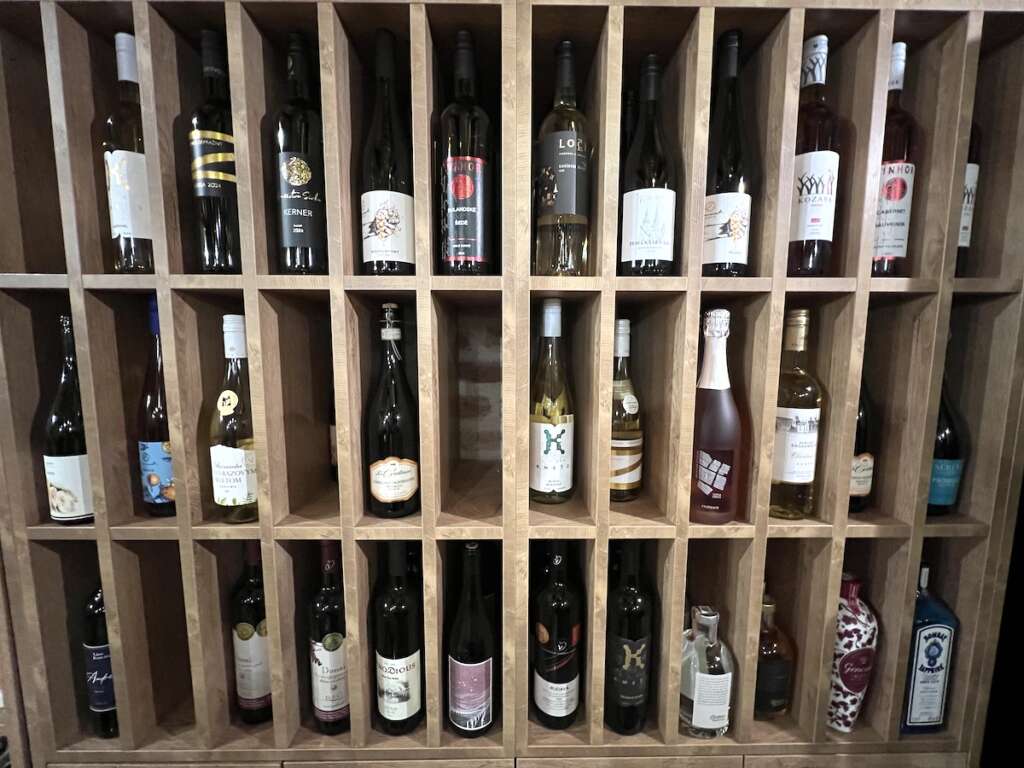
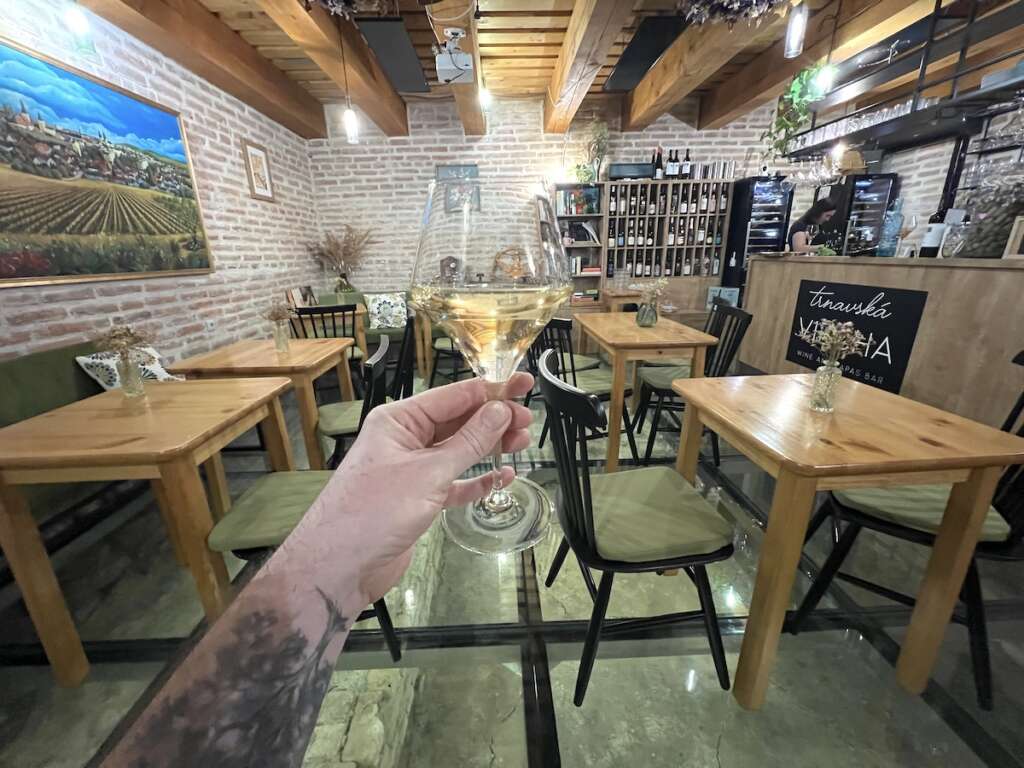
Trnava is also known for its charming cafés, many of which serve excellent coffee paired with local snacks. Wine bars deserve a special mention — the Little Carpathians region is one of Slovakia’s oldest wine-growing areas, so a glass of local white wine is the perfect way to end the day. Be sure to stop at Trnavská Viecha, a wine and tapas bar located in one of the defence towers. Their wines are fantastic (apart from prosecco, all come from the Little Carpathians), the snacks are great, and the interior — especially the glass floor revealing medieval walls beneath — makes a big impression.
Trnava – The Little Rome
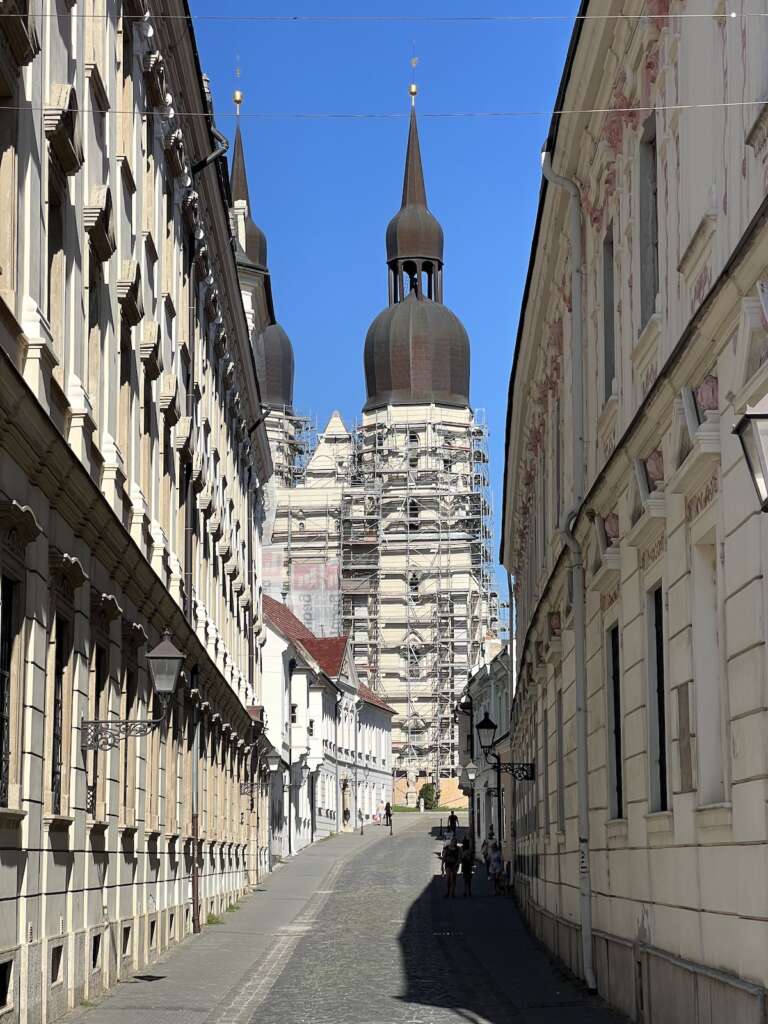
The nickname “Little Rome” is no coincidence — Trnava boasts an incredibly high number of churches within a compact area. There are as many as 10 sacred buildings in the very centre. In its heyday, the city was the seat of an archbishopric and an important centre of the Counter-Reformation, which led to the construction of many churches. While strolling through the centre, you’ll encounter new baroque or gothic churches almost at every turn — this religious density gives the city its unique character.
Trnava was also one of the first cities in Slovakia to receive municipal rights, already in the 13th century. It quickly became the cultural and spiritual centre of the region. Today, the name “Little Rome” not only reflects its religious heritage but also highlights its importance as a centre of learning, art, and sacred architecture. It is one of the most distinctive and recognisable cities in Slovakia.
Trnava’s Old Town
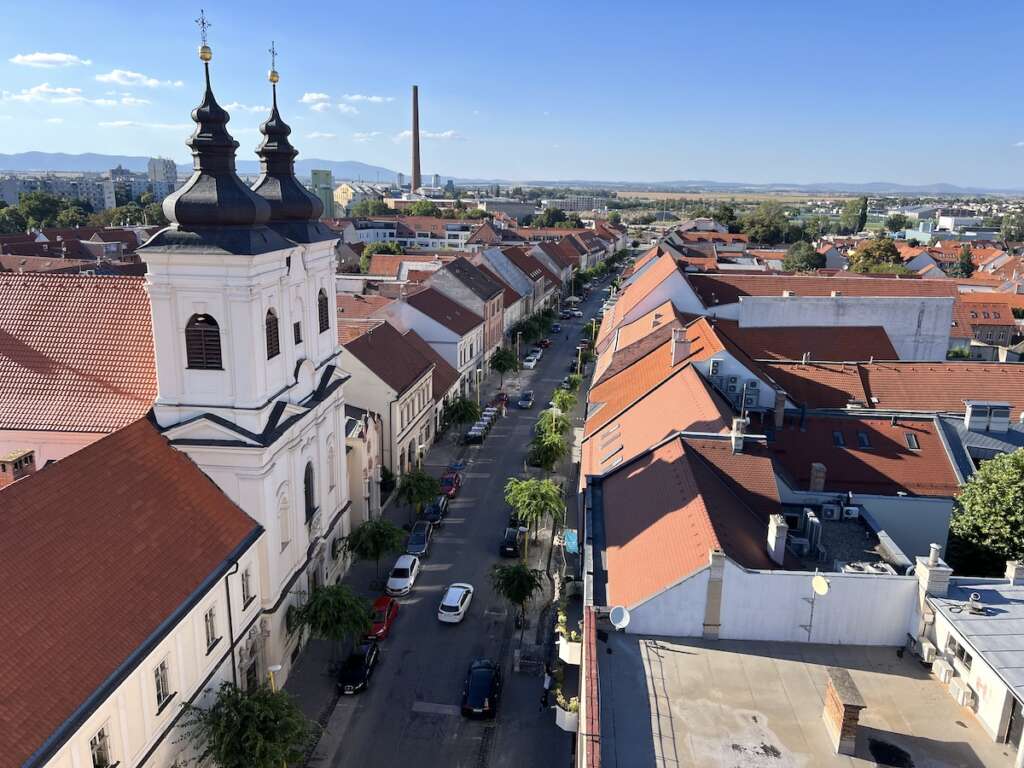
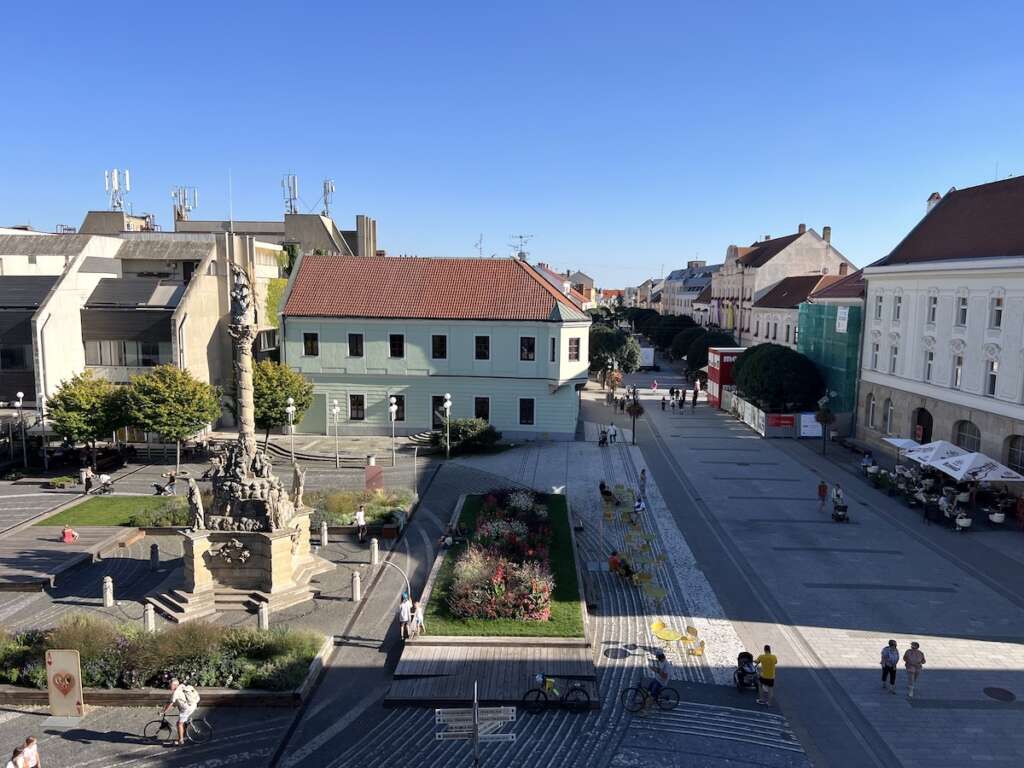
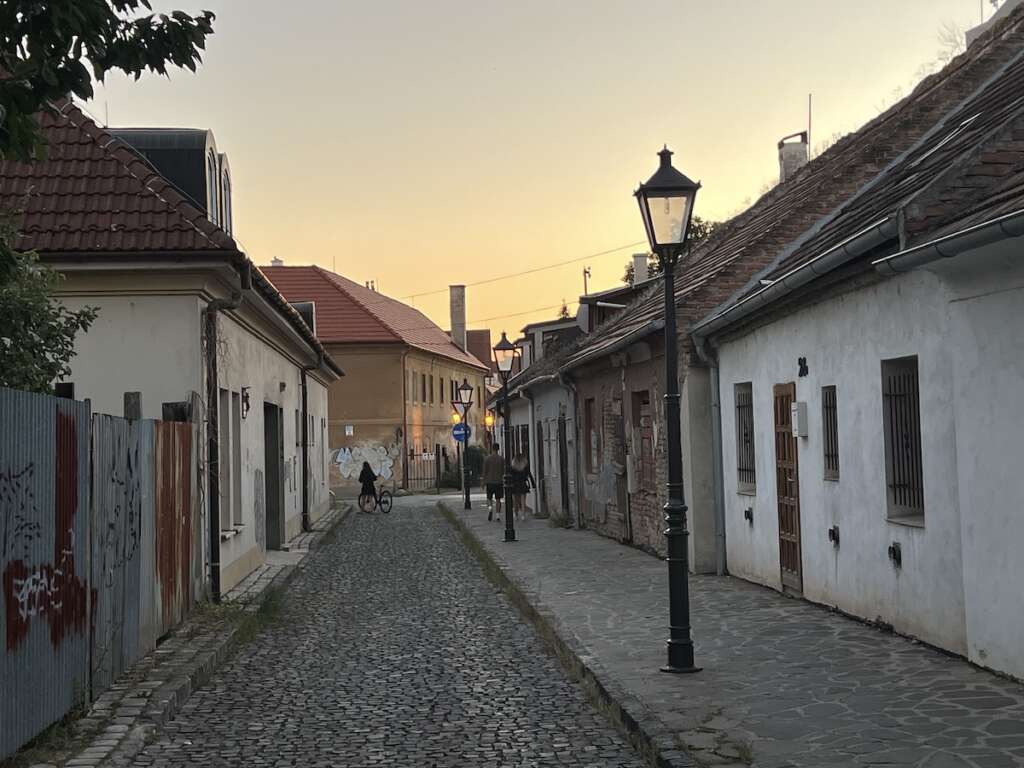
The Old Town is full of charm and history — the perfect place to experience the atmosphere of old Central Europe. Its heart is the main square and the pedestrian Hviezdoslav Street, lined with restaurants, cafés, and shops. The architecture consists mainly of Renaissance and Baroque townhouses adorned with beautiful details. The narrow, winding streets make you feel like you’re travelling back in time. Unfortunately, not all of the Old Town has survived intact; some sections were replaced with modern buildings, though they blend in fairly well.
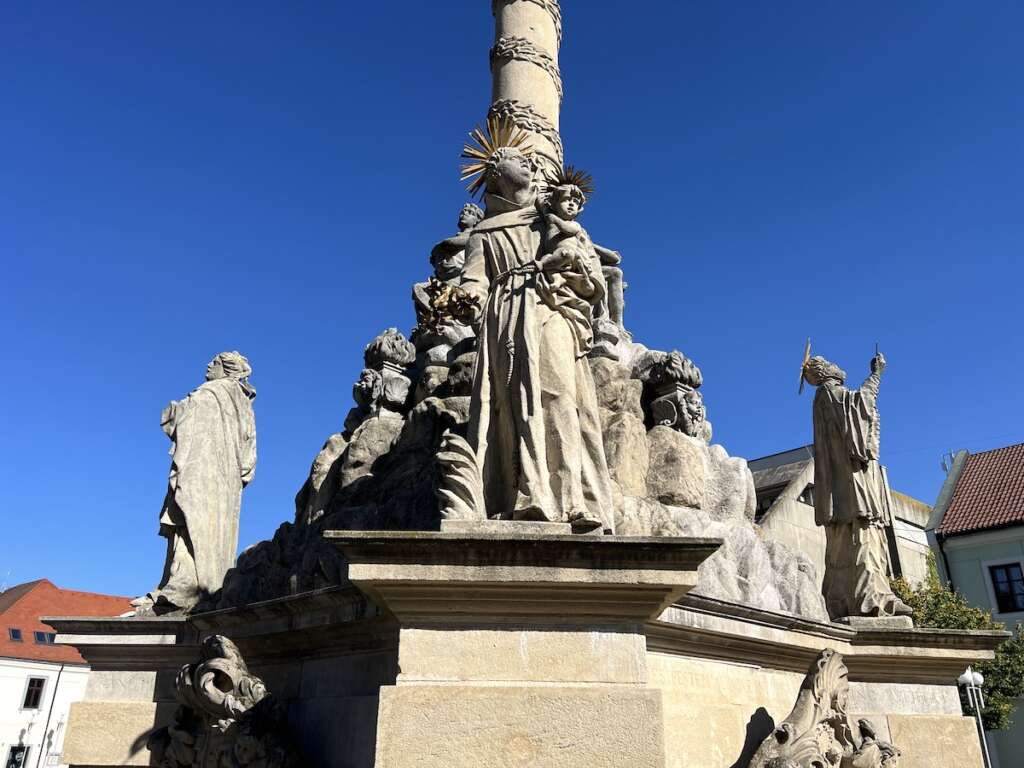
The central landmark is the Basilica of St. Nicholas, but the town hall, university buildings and other historic churches also draw attention. As you walk, you’ll discover corners where history mixes with contemporary elements — historic gates and defensive walls stand next to modern art installations or inviting cafés. In the evening the Old Town comes alive, with beer gardens and wine bars creating the perfect atmosphere for relaxation.
A large part of the Old Town once belonged to the historic university, considered one of the best in this part of Europe. Many of the university buildings still stand and make a strong impression. You can learn more about Trnava’s history at the Tourist Information Centre, which I highly recommend. Look out for guided city walks organised by the local tourism organisation — and if you’re travelling in a larger group, definitely book a guide. (Slavo is a walking encyclopaedia!)
Defensive Walls
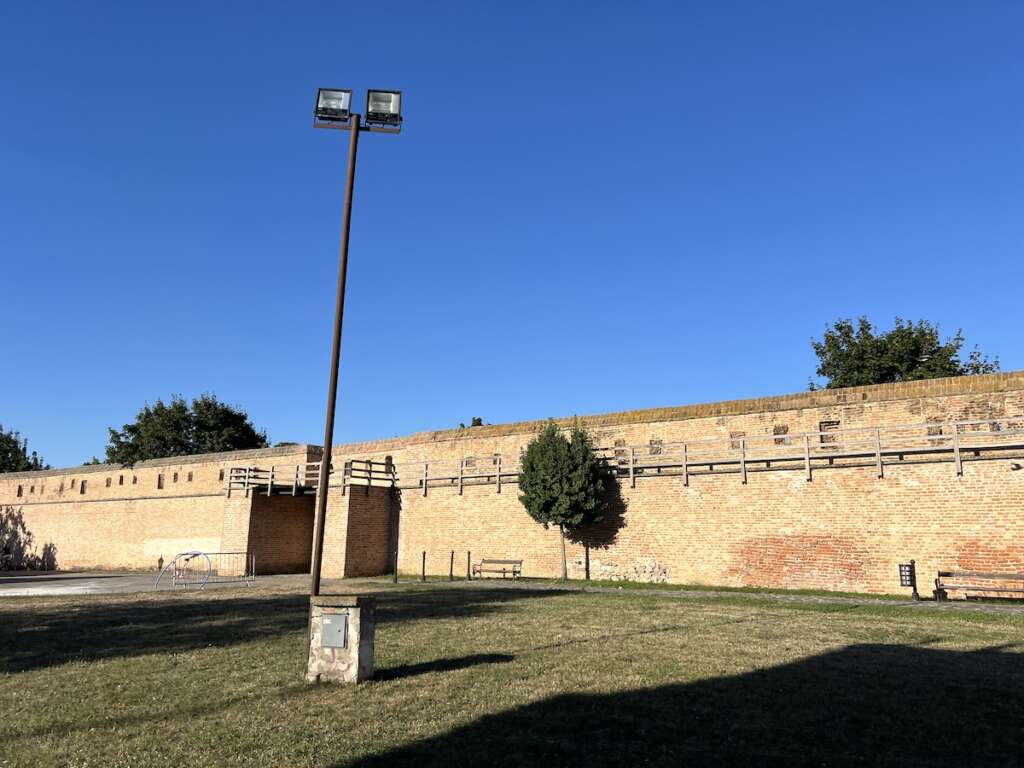
One of Trnava’s greatest treasures is its remarkably well-preserved defensive walls — among the best-maintained medieval fortification systems in Central Europe. Built in the 13th century, they once surrounded the entire city and protected its inhabitants from invasions. Today large sections of the walls, along with towers and gates, are still standing and form a unique walking route.
A marked tourist path runs along the old fortifications, allowing visitors to experience the medieval atmosphere of the city. Some sections are reconstructed for easier access, while others retain their original character. It is a fantastic place to see Trnava from a different perspective — as a city that has cared for its security for centuries and now proudly preserves this heritage.
It is estimated that about two-thirds of the city’s original walls have survived.
The View Tower
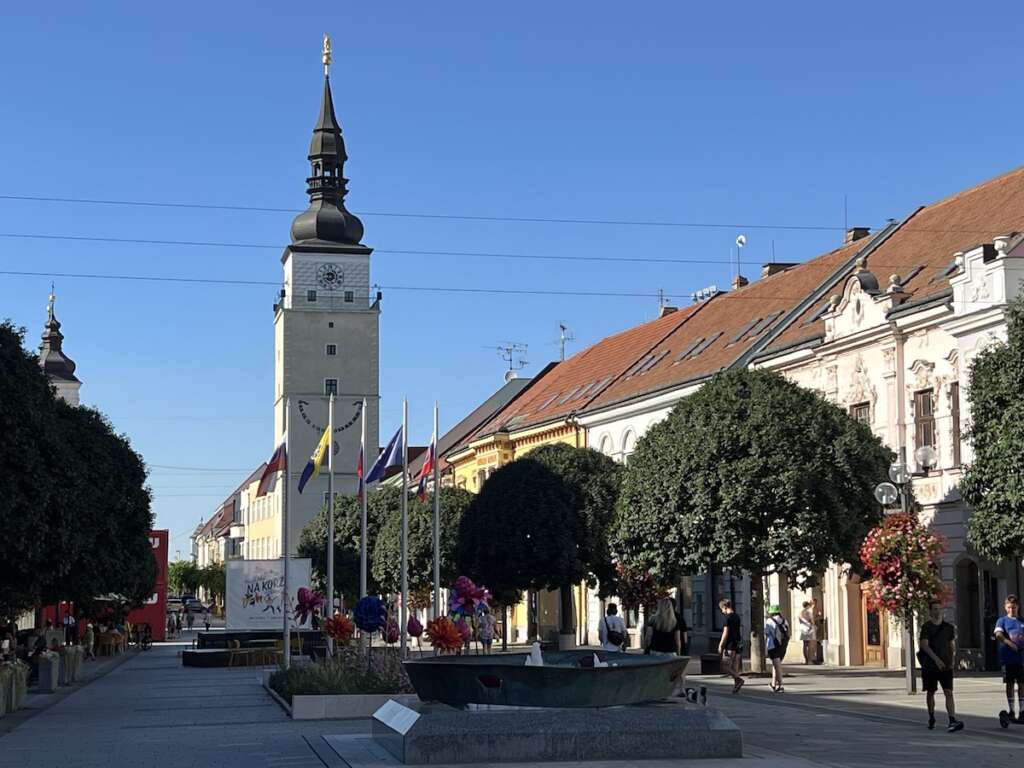
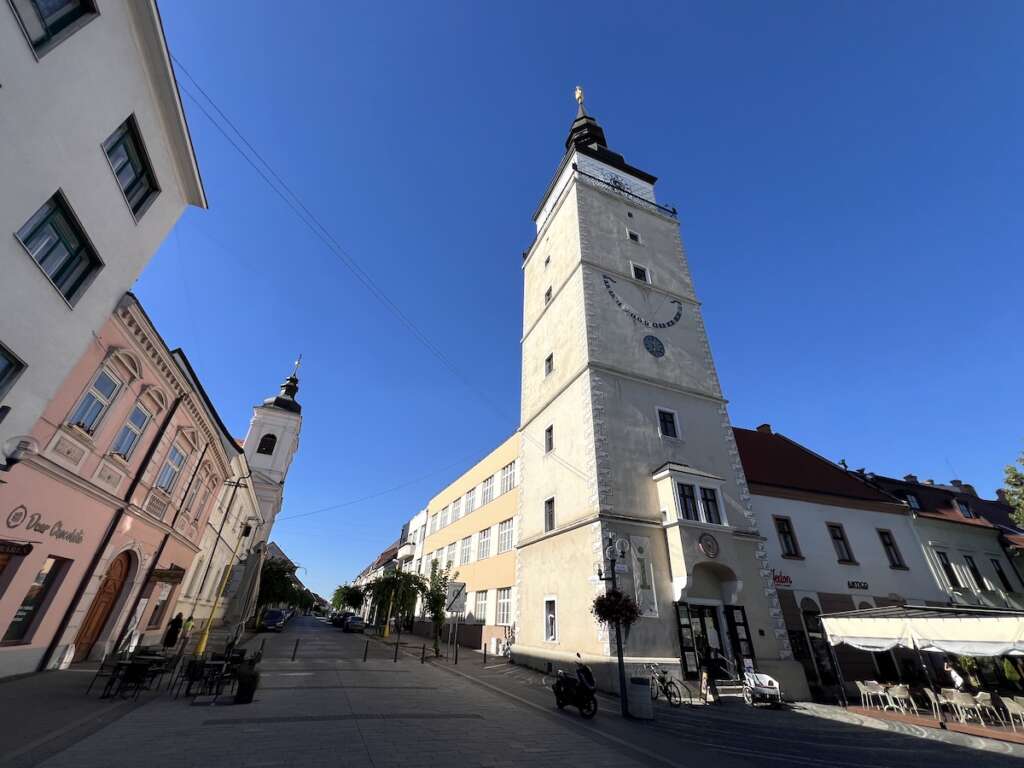
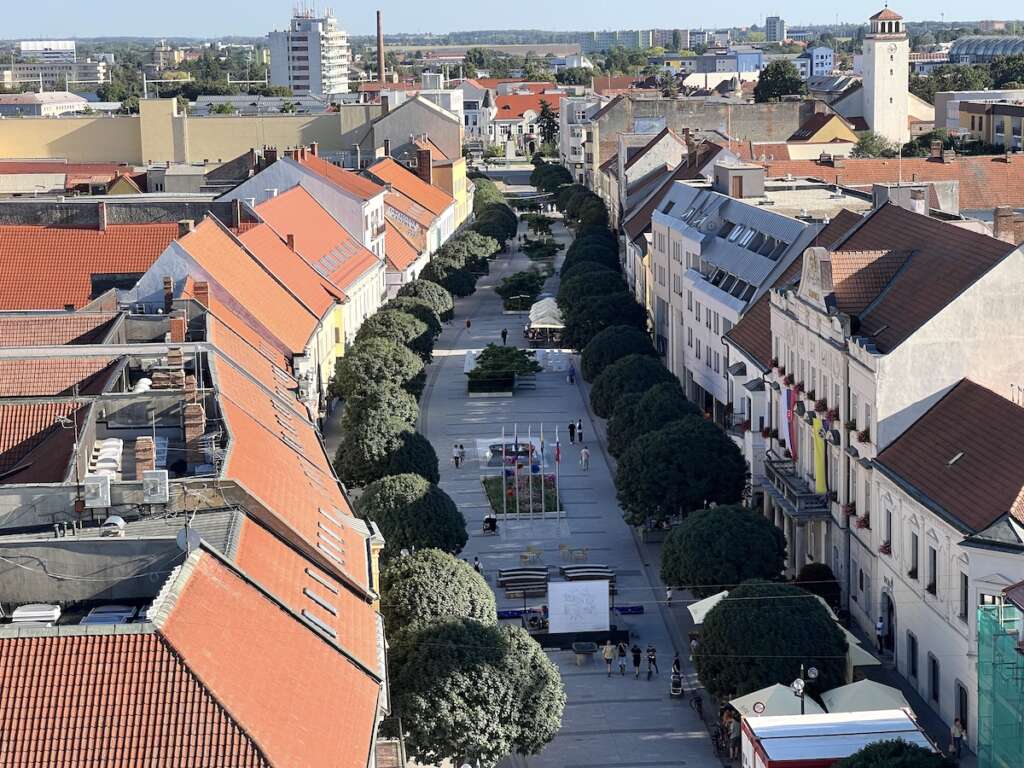
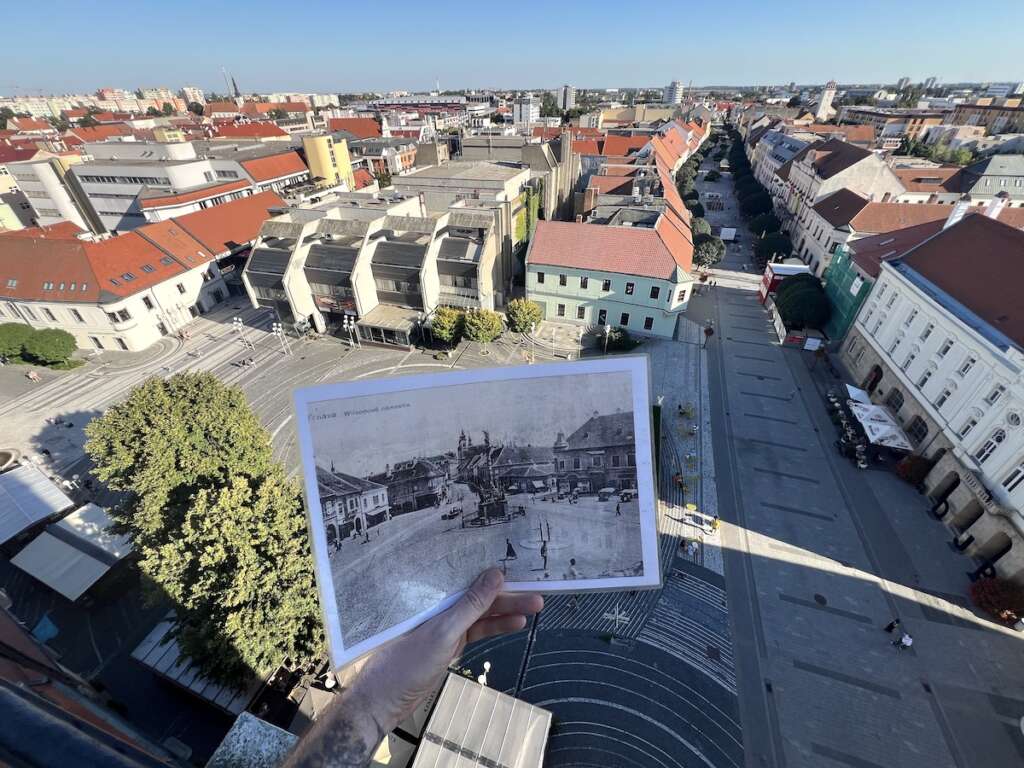
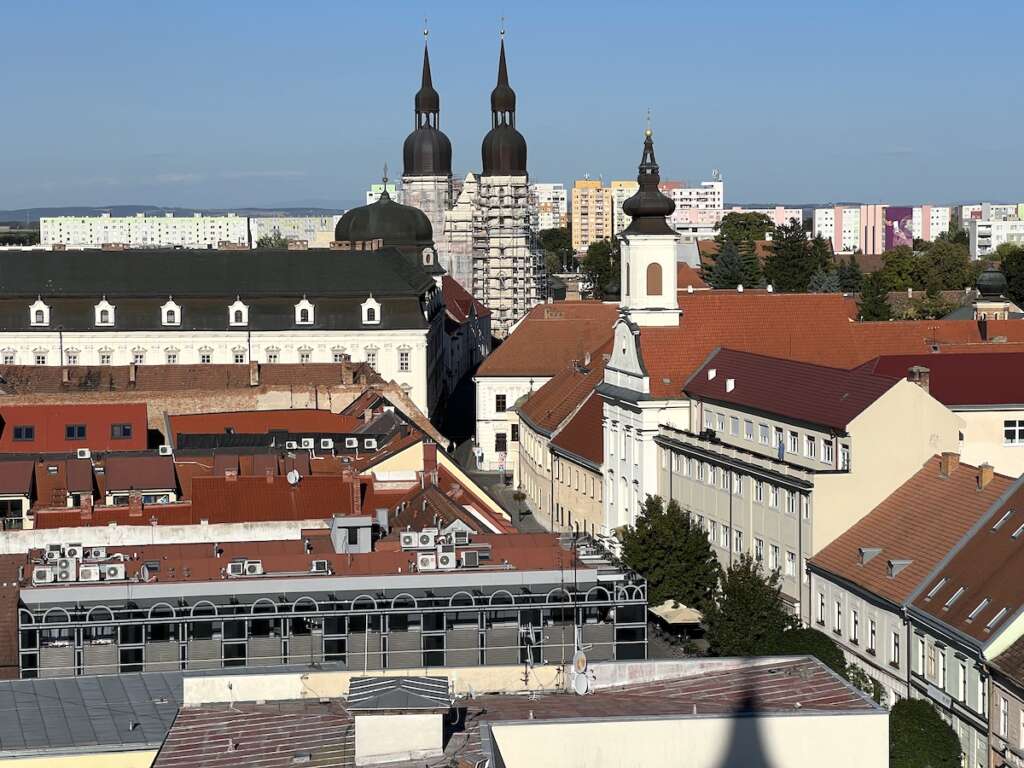
A true symbol of Trnava is its Renaissance town tower, built in the 16th century. It stands 29 metres tall (143 steps), and its viewing platform offers panoramic views of the entire city and the surrounding hills. It is an essential point on any visit — from the top you can see the rooftops of the Old Town, church towers and, on clear days, even the Little Carpathians.
The climb up the narrow, spiral staircase is an attraction in itself. Inside, you’ll find a small exhibition about the history of the city and the tower. For both locals and visitors, it is a beloved landmark and one of the most photographed sites in Trnava. You can spot the tower from almost any street in the centre, giving the city a distinctive charm. At its foot is the Tourist Information Centre, where you can buy admission tickets or book a guided city tour — highly recommended!
Tickets: €4 for adults, €3 for students and seniors, €2 for children; kids under 6 enter for free.
Churches
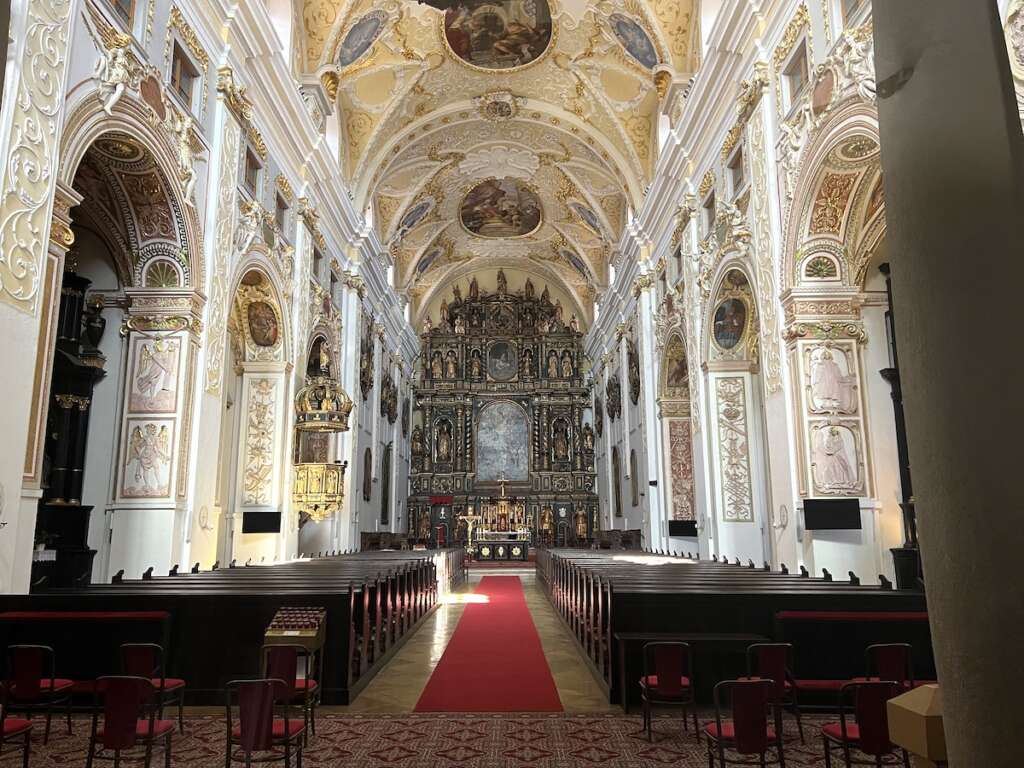
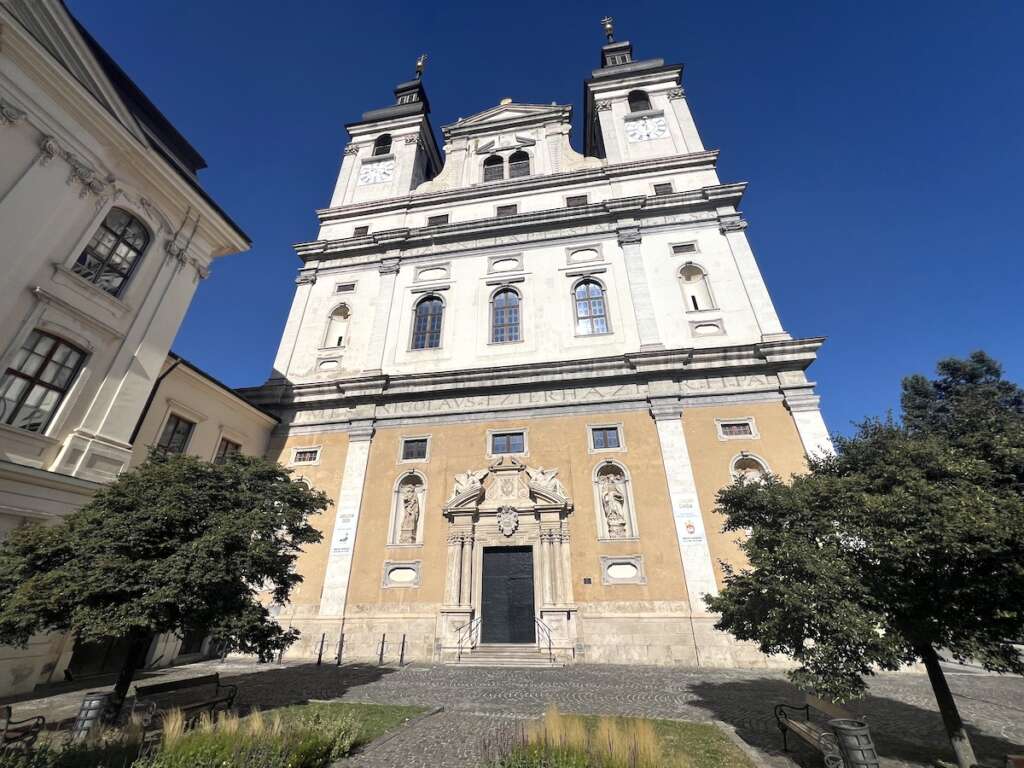
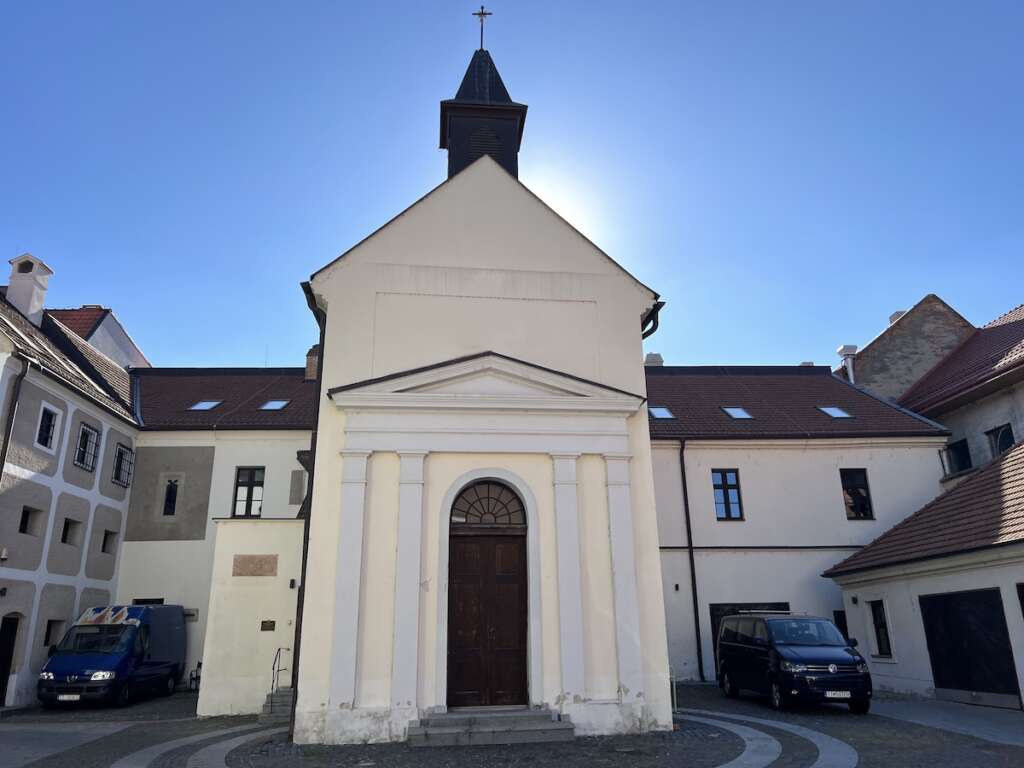
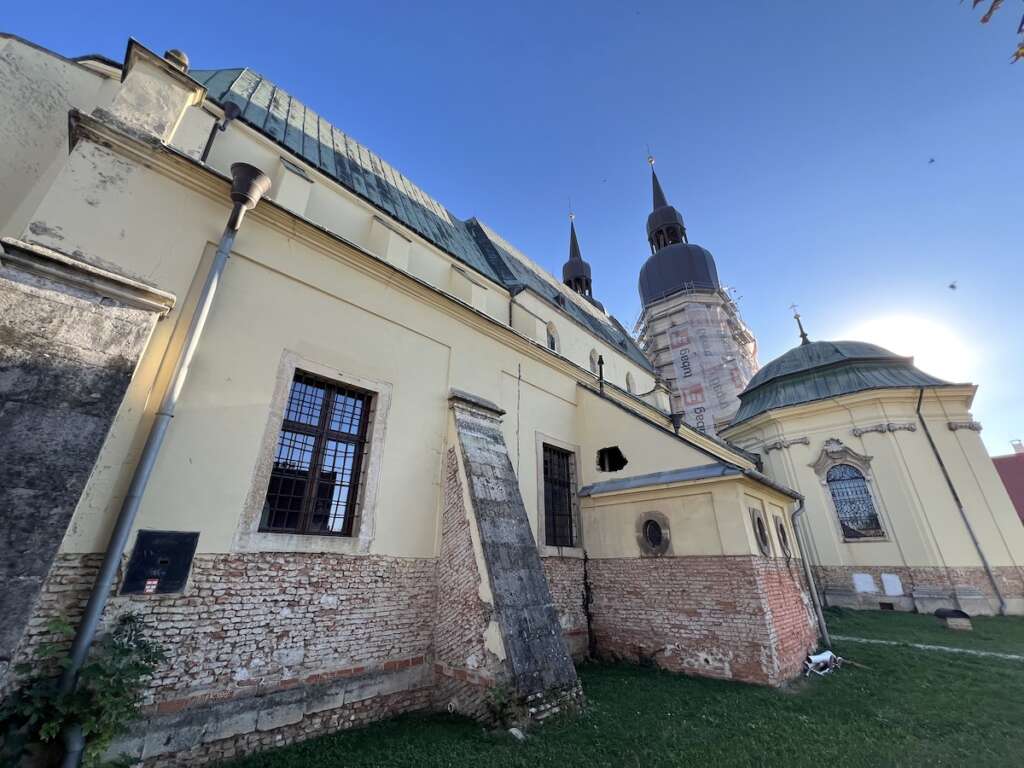
Trnava is truly a city of churches — several are located within easy walking distance of each other, each with its own history. The most important is the Basilica of St. Nicholas, dominating the town’s skyline. This 14th-century Gothic church features a monumental interior and rich decorations. Another key landmark is the Cathedral of St. John the Baptist, a baroque gem and the first baroque church built in Slovakia.
Other notable sites include the Church of St. Helena and the Franciscan Monastery. Each building reveals unique architectural details and artistic treasures. As you walk through the city, you’ll feel like you encounter a new sacred building at every step — this remarkable density is exactly why Trnava earned the nickname “Little Rome.” Most churches can also be visited inside, which is definitely worth doing.
Synagogues
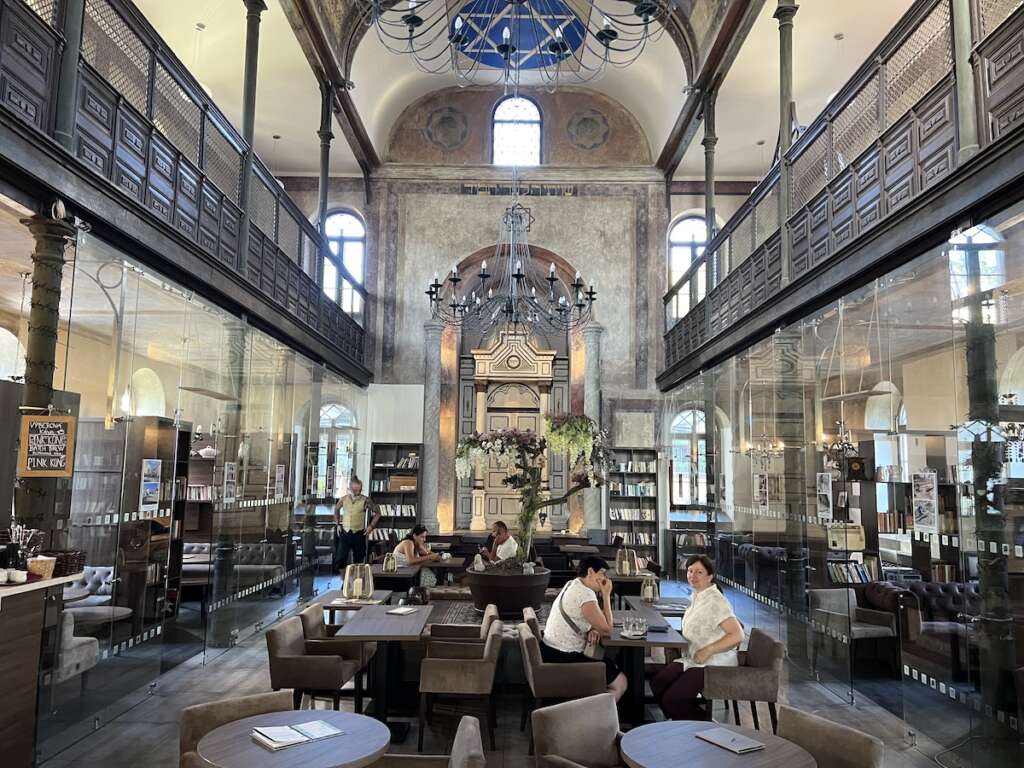
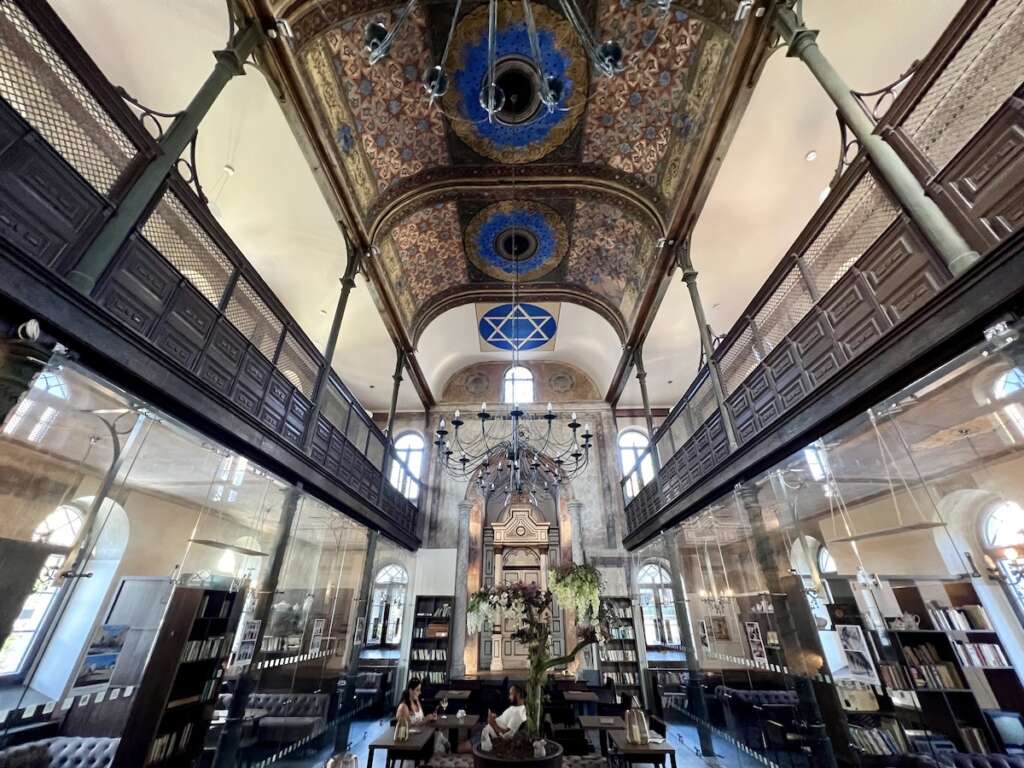
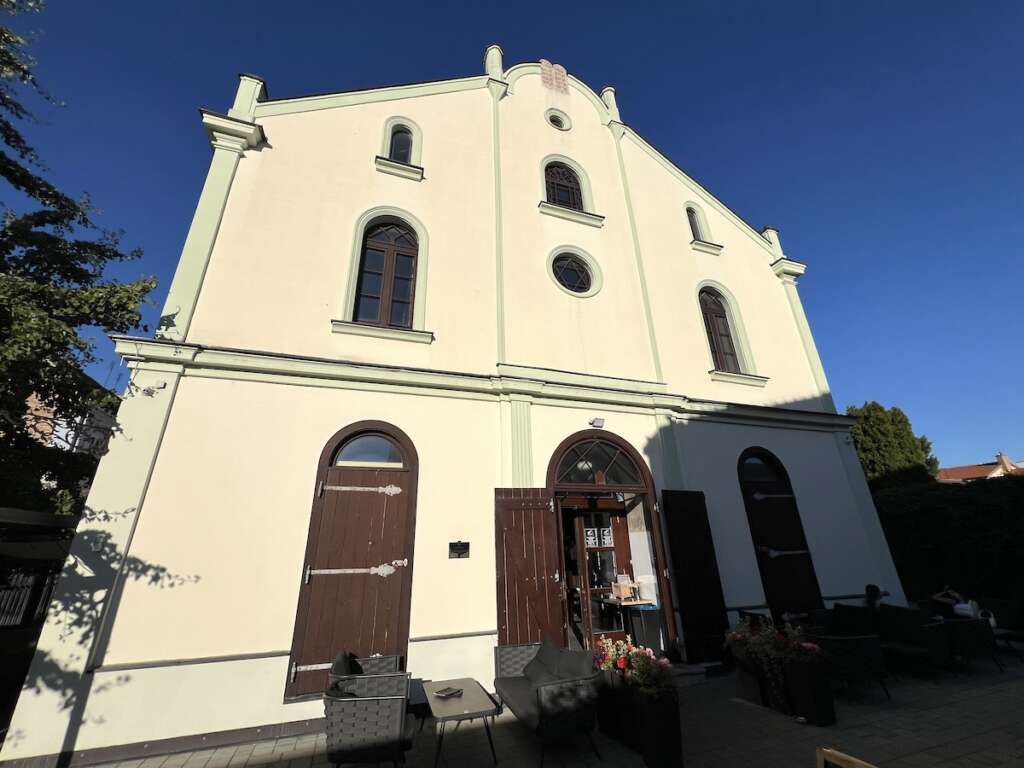
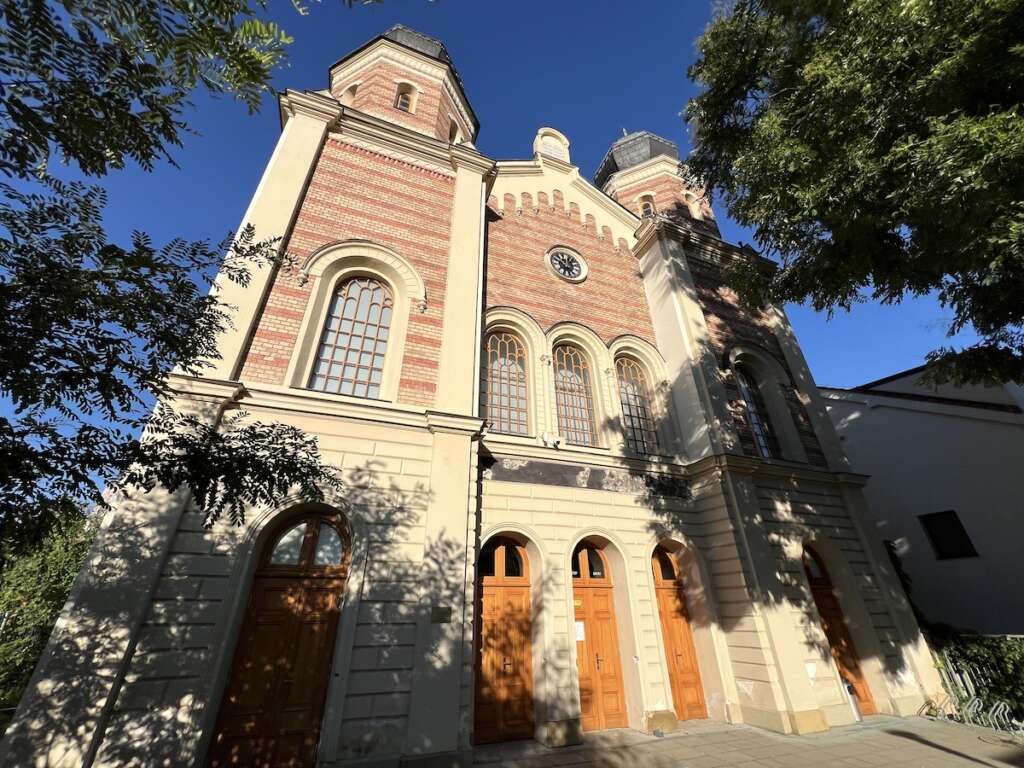
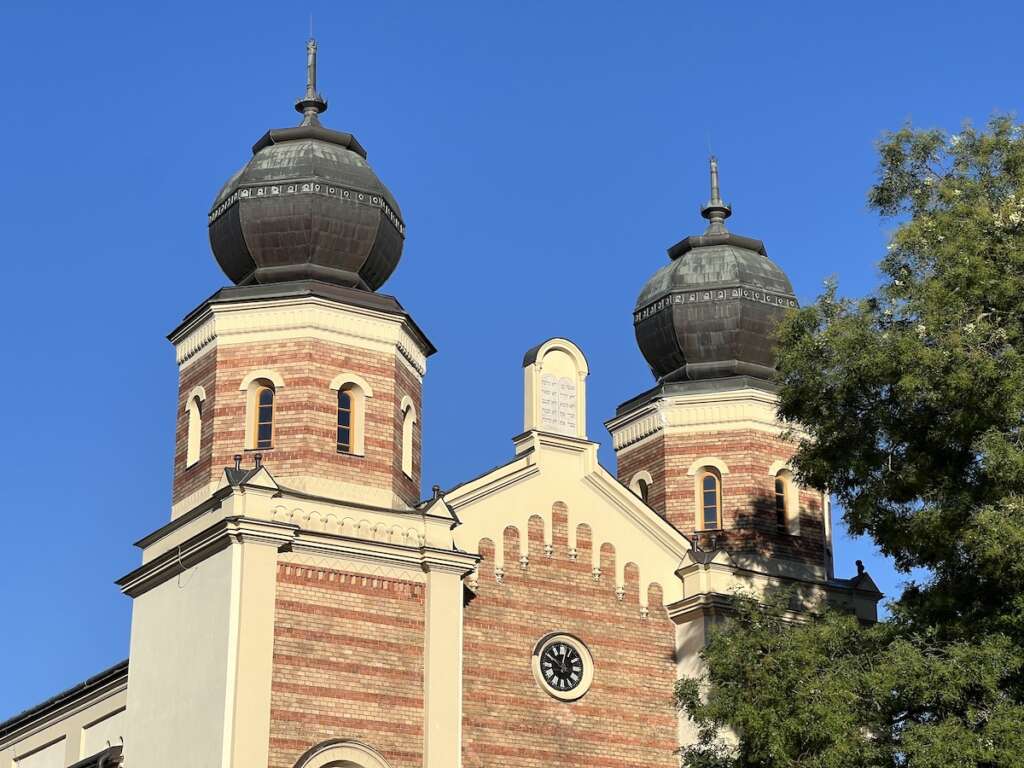
The Jewish community played a significant role in Trnava’s history, and today two preserved synagogues stand as witnesses to its heritage. Both serve cultural purposes and are architecturally impressive.
The synagogue on Halenárska Street has been adapted into a contemporary art gallery, where historic sacred space meets modern exhibitions. The second synagogue has been meticulously restored and now houses Synagóga Café — a cultural venue hosting concerts, exhibitions and educational events. In 2010 the building was recognised as the best-restored sacral structure in Slovakia.
Visiting both sites offers not only a journey into the city’s multicultural past but also a glimpse into how Trnava preserves and celebrates this heritage today.
Rope Park
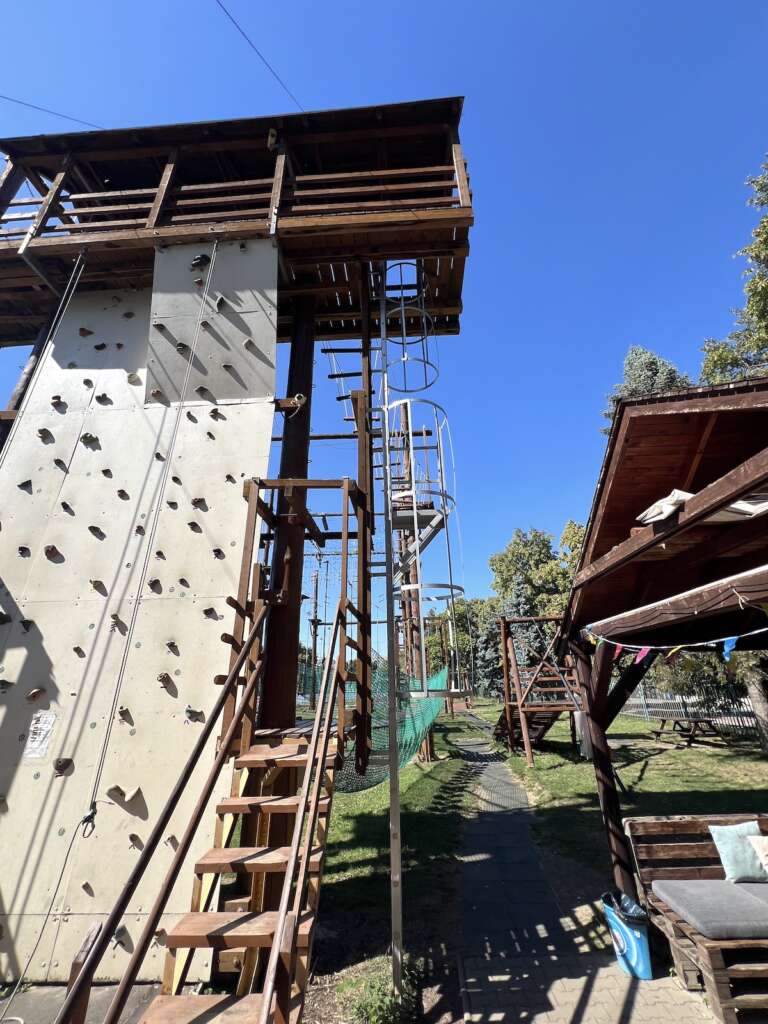
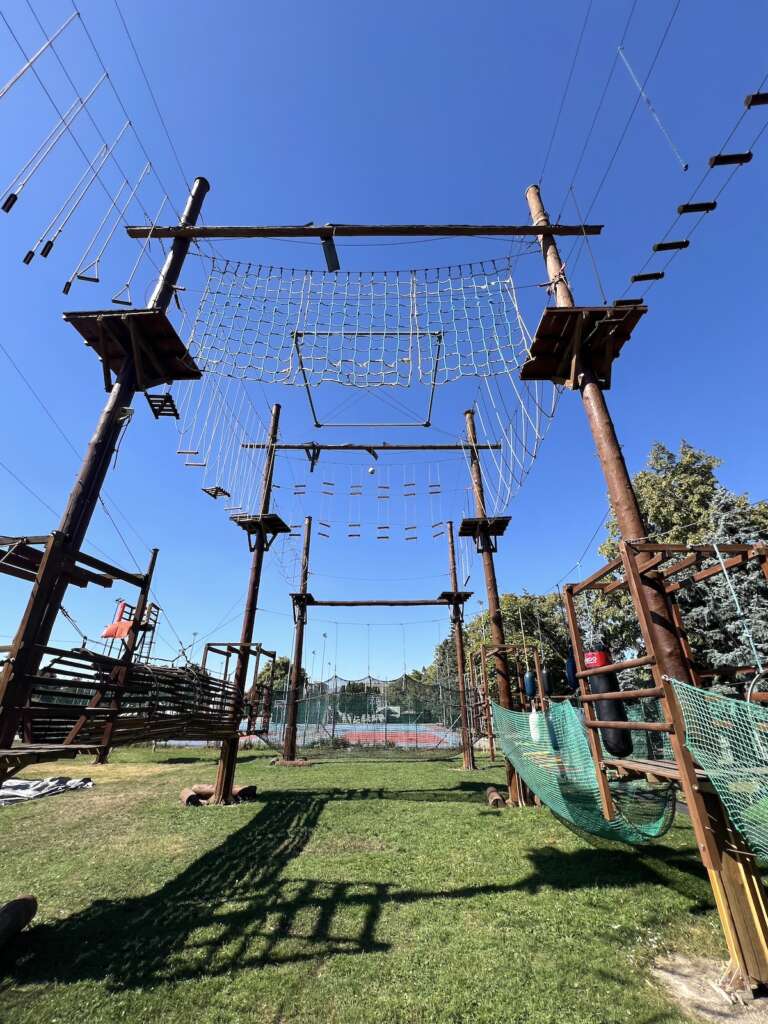
Trnava isn’t only about history — it’s also a great place for active travellers. The modern Trnavský Lanáč rope park attracts children and adults alike. It’s an excellent way to spend time outdoors, with routes of varying difficulty levels suited to different ages and abilities.
The park is popular among families, groups of friends and tourists looking for a break from sightseeing. Conveniently located near the centre, it can easily be combined with other attractions. It’s a perfect example of how Trnava blends rich history with modern leisure opportunities. You can find it on Jána Hajdóczyho Street.
Murals
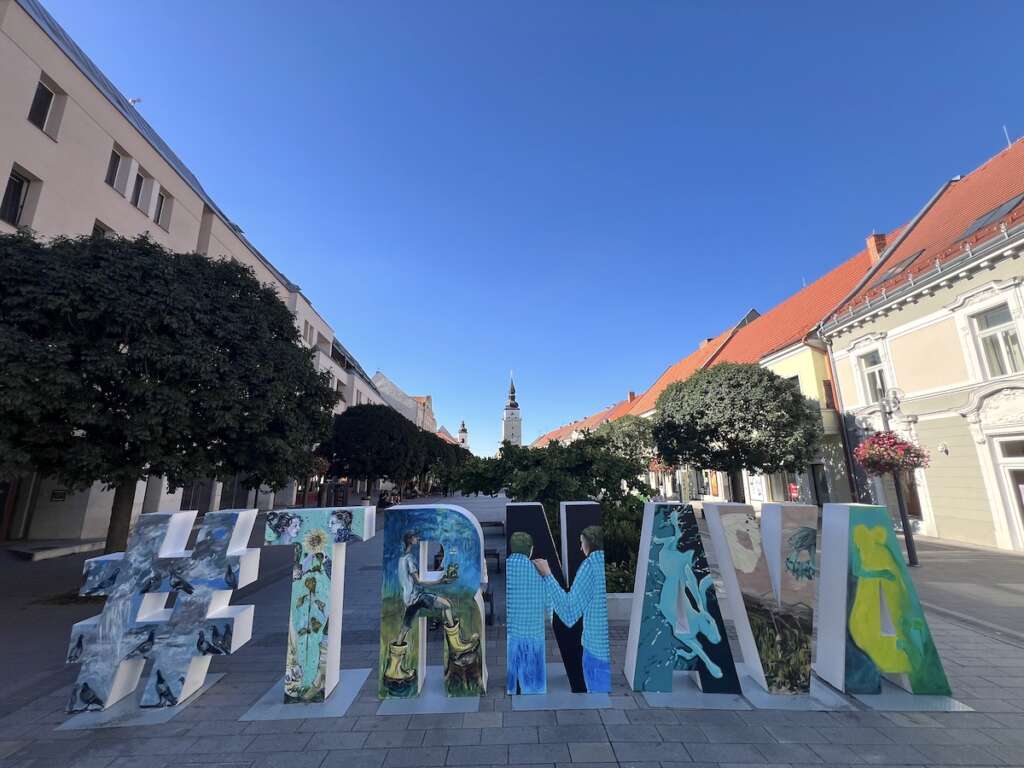
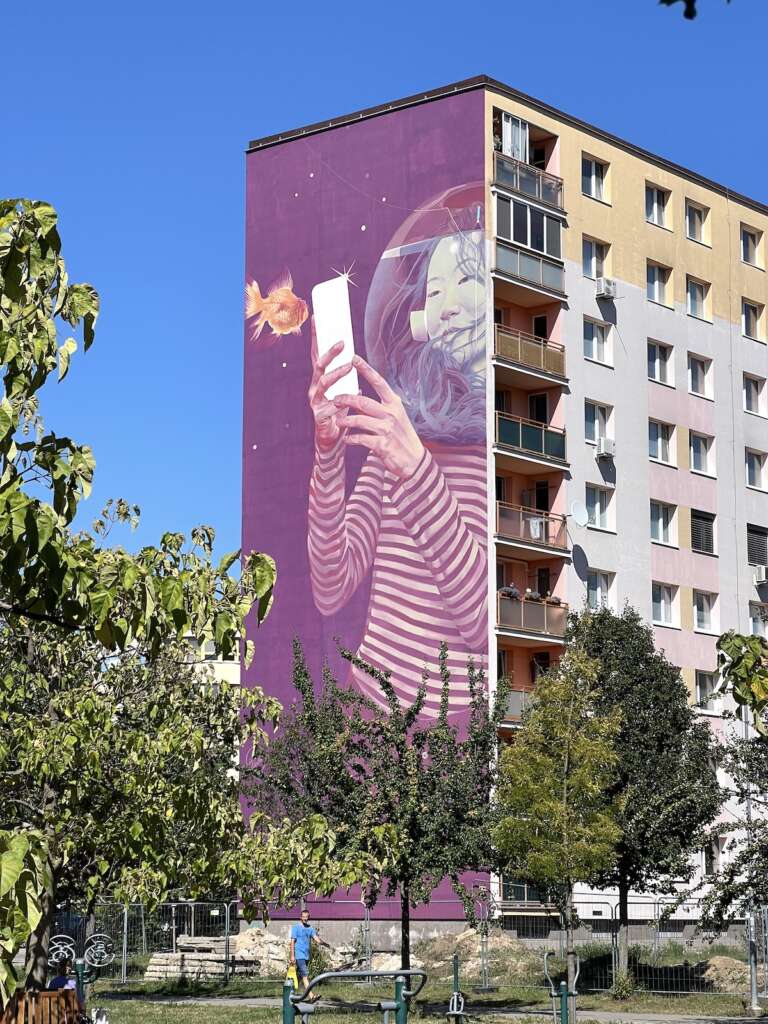
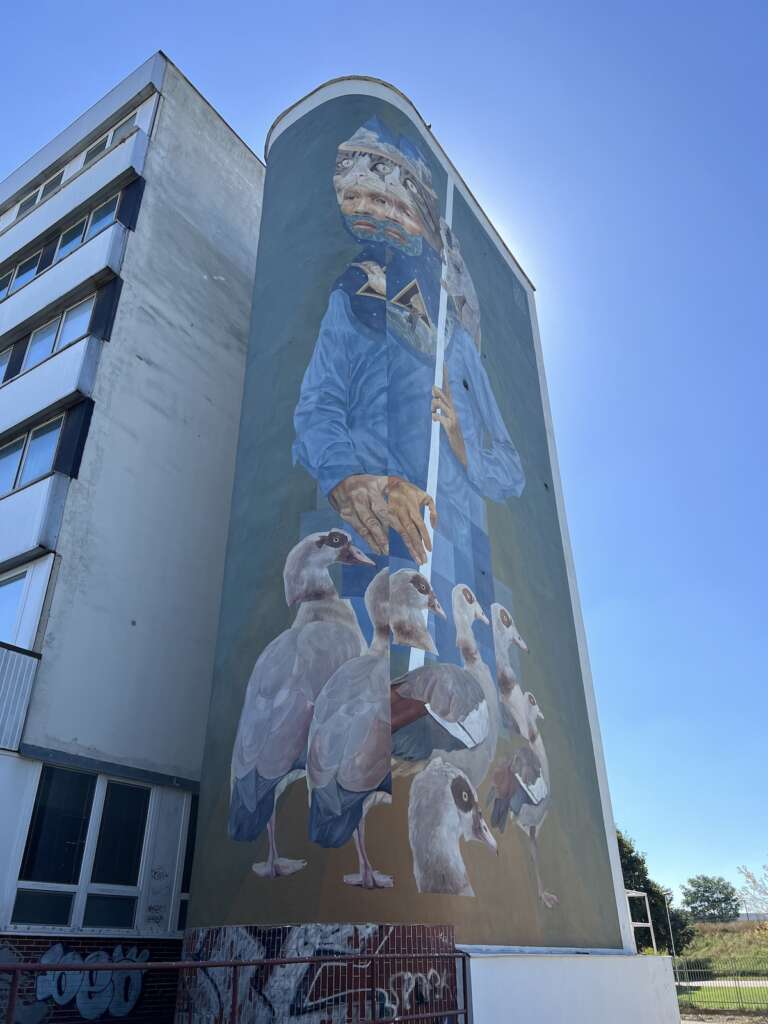
Street art brings a modern touch to Trnava’s urban landscape. Colourful murals decorate several buildings, adding vibrancy and creative flair to the historic environment. They include both abstract designs and works inspired by local culture and history.
Following the mural trail is a great way to explore a different, contemporary side of the city — youthful, artistic and open to new forms of expression. It’s also ideal for photography lovers in search of unique shots. Although there aren’t many murals yet, new ones are being created regularly.
Surroundings of Trnava
Nektaria
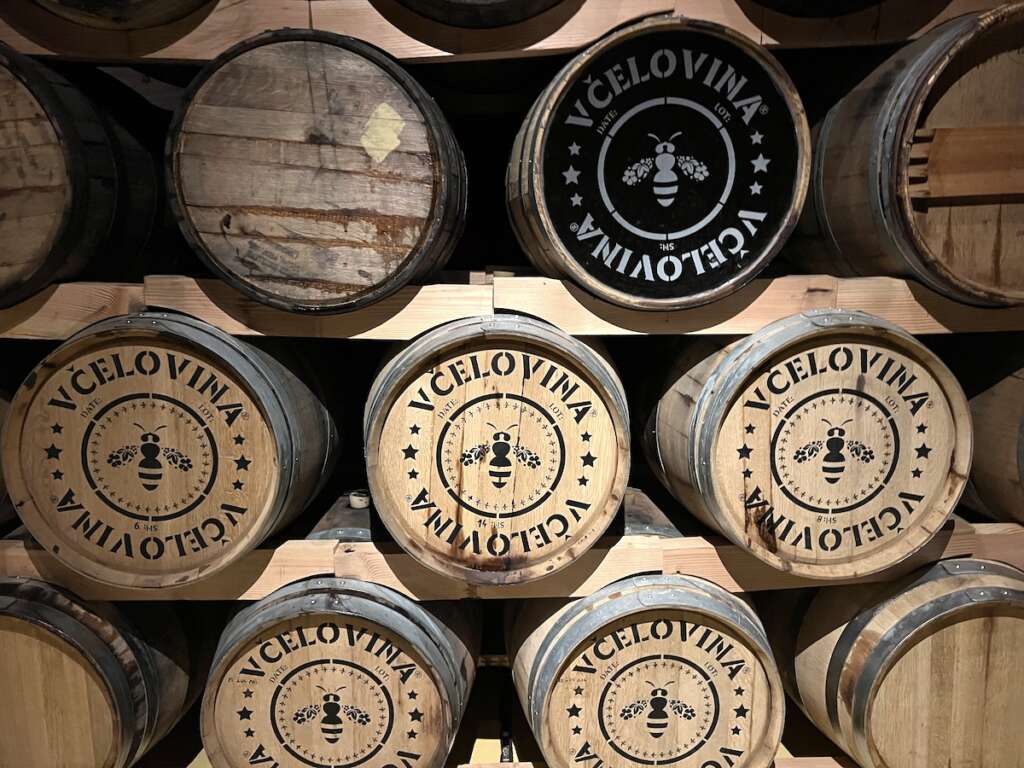
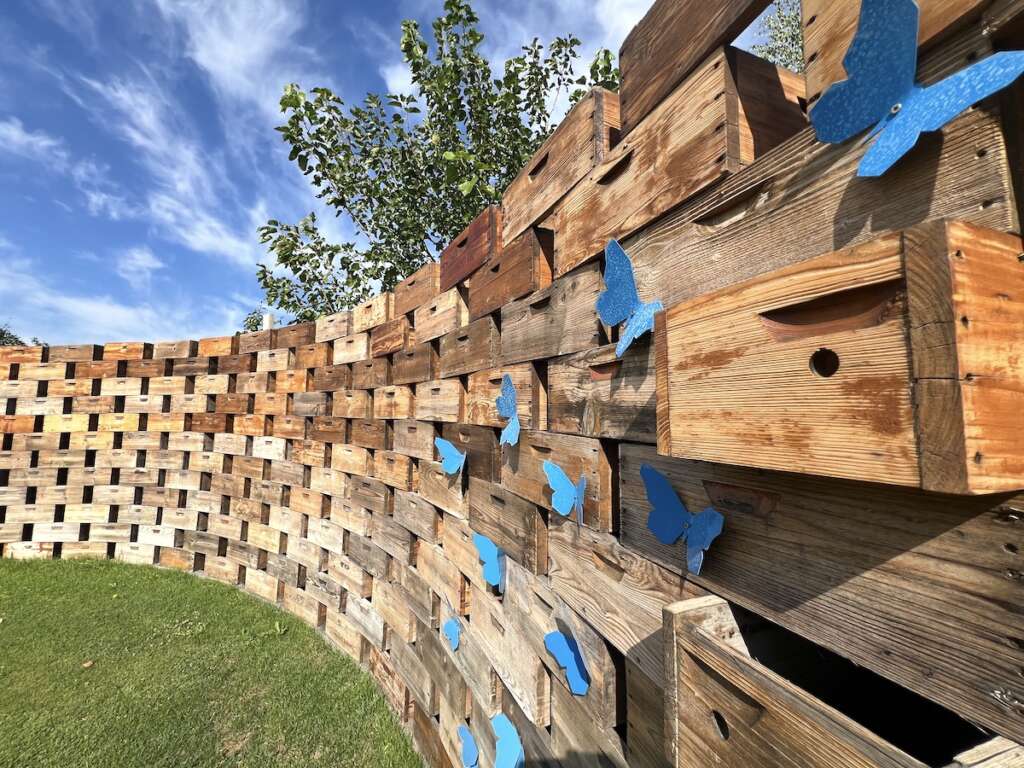
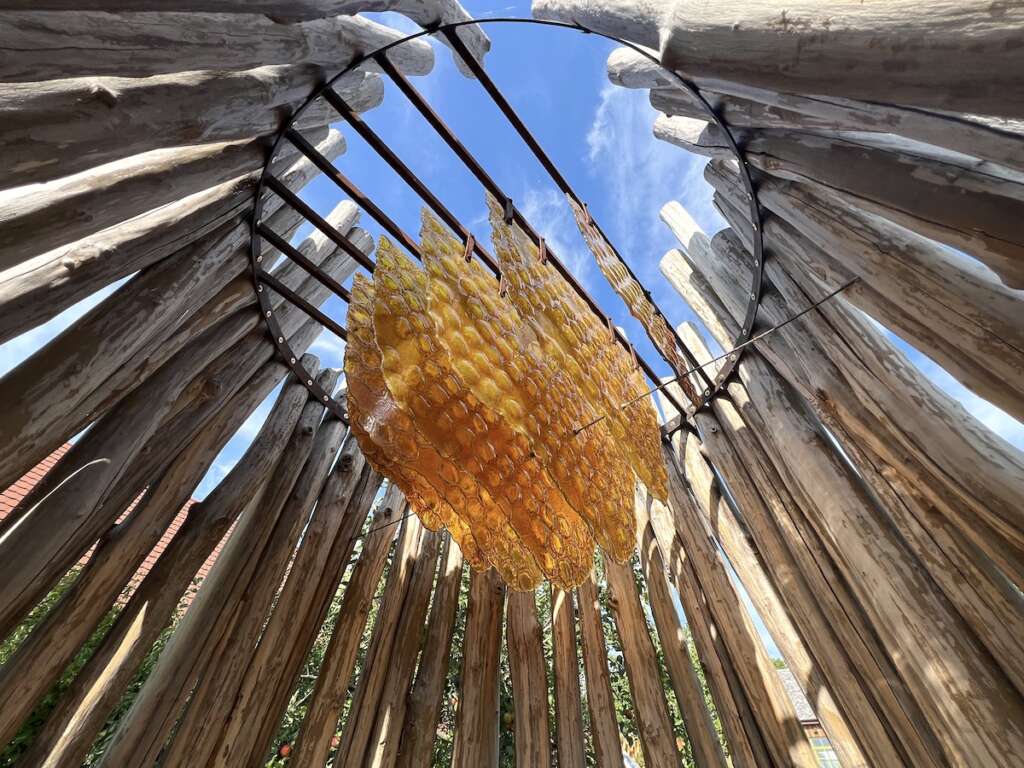
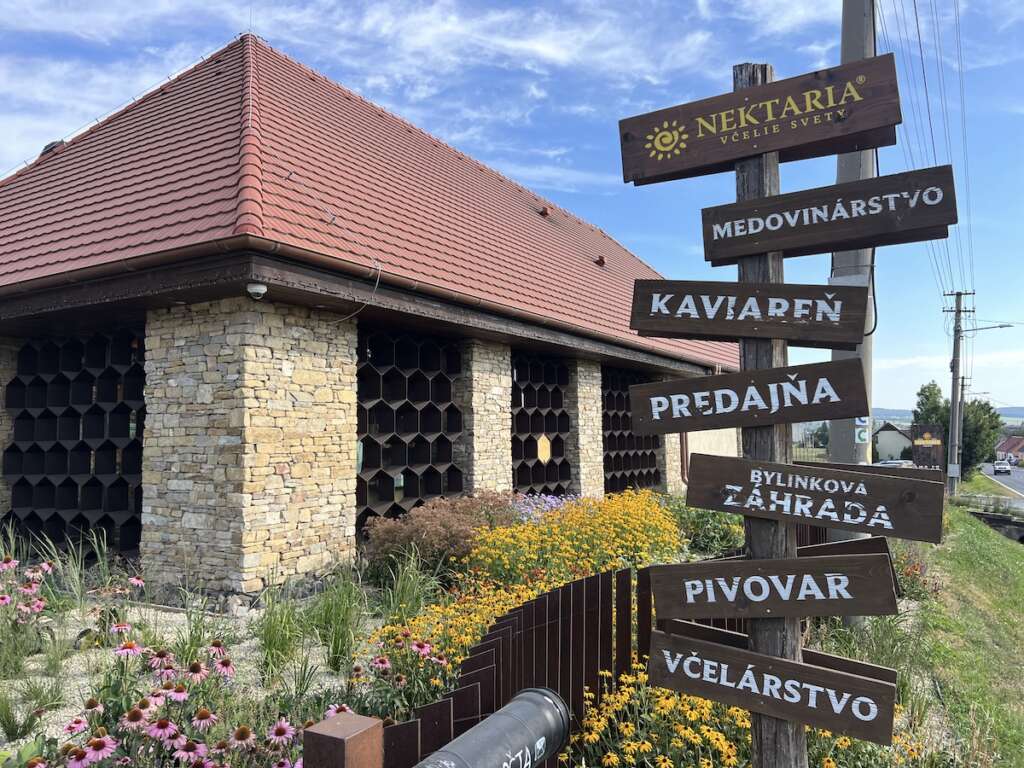
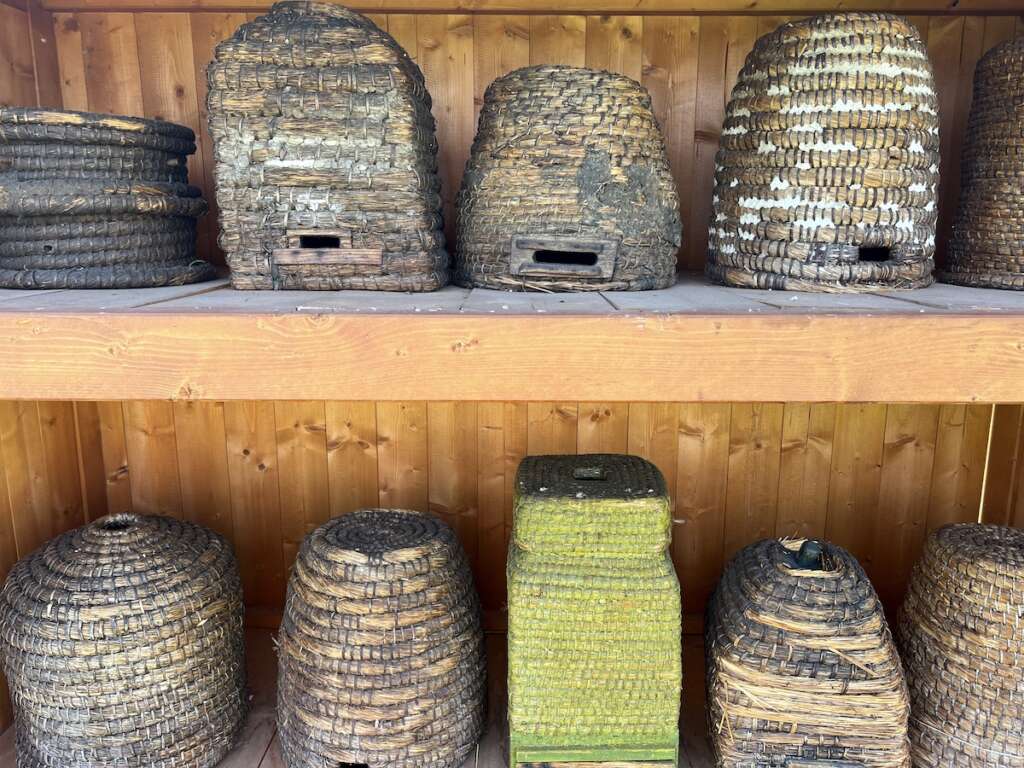
Nektaria is a truly unique place where traditional beekeeping meets modern tourism, culinary craftsmanship, and above all — the passion of its owners. Located in Smolenice, near Trnava, it attracts both lovers of mead and those seeking a peaceful, inspiring space surrounded by nature. It’s not just an apiary or a mead producer — it’s a real “world of bees,” where visitors can discover the fascinating life of these remarkable insects, taste local drinks and snacks, and relax in a cosy café overlooking the Little Carpathians.
Tastings, workshops, a honey-themed café, a shop with local products, and various seasonal events make Nektaria a lively destination throughout the year. Guests praise it for its authenticity, tranquillity, and the exceptional flavour of the products.
It’s an ideal stop on any journey — perfect for families with children as well as adults looking for unique tastes and memorable experiences. If you want to experience Slovak hospitality, nature, and the finest honey craftsmanship — Nektaria is a place you simply cannot miss.
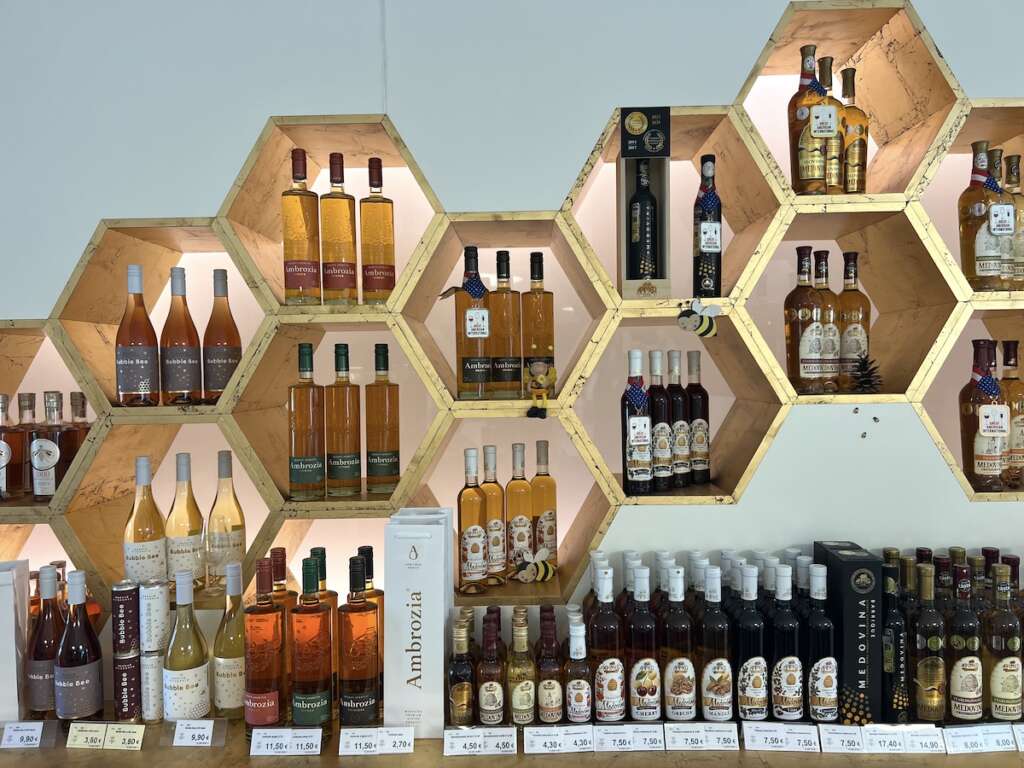
It’s also worth mentioning that Nektaria is the birthplace of a mead that has twice won the title of Best Mead in the World!
Medolandia
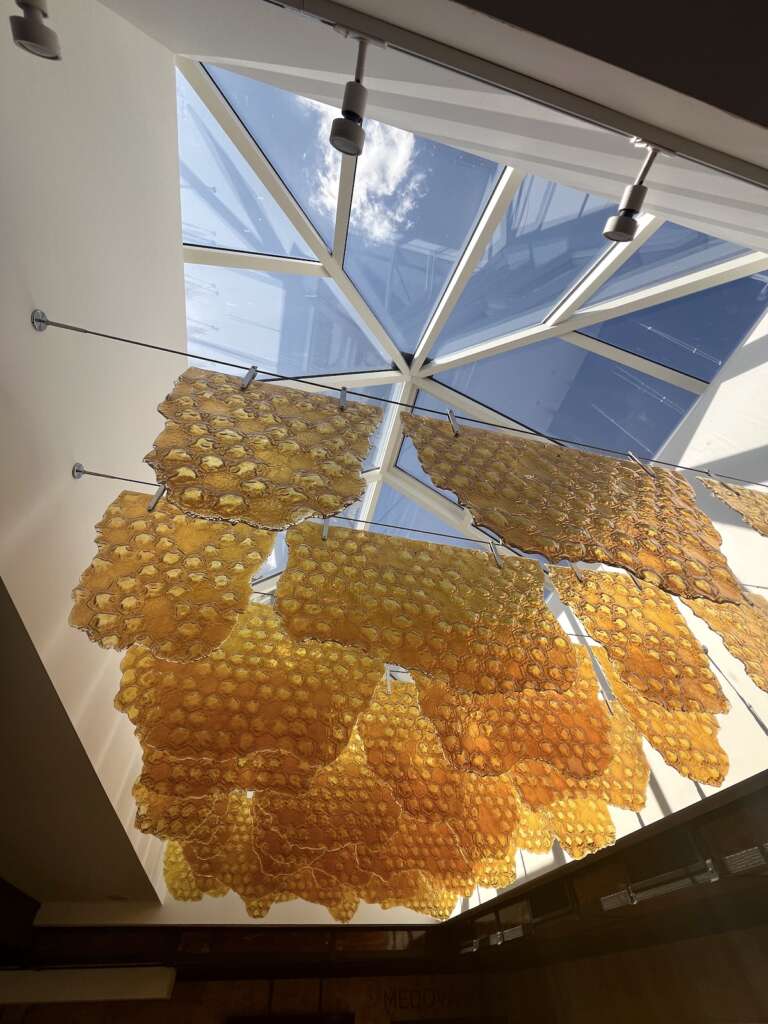
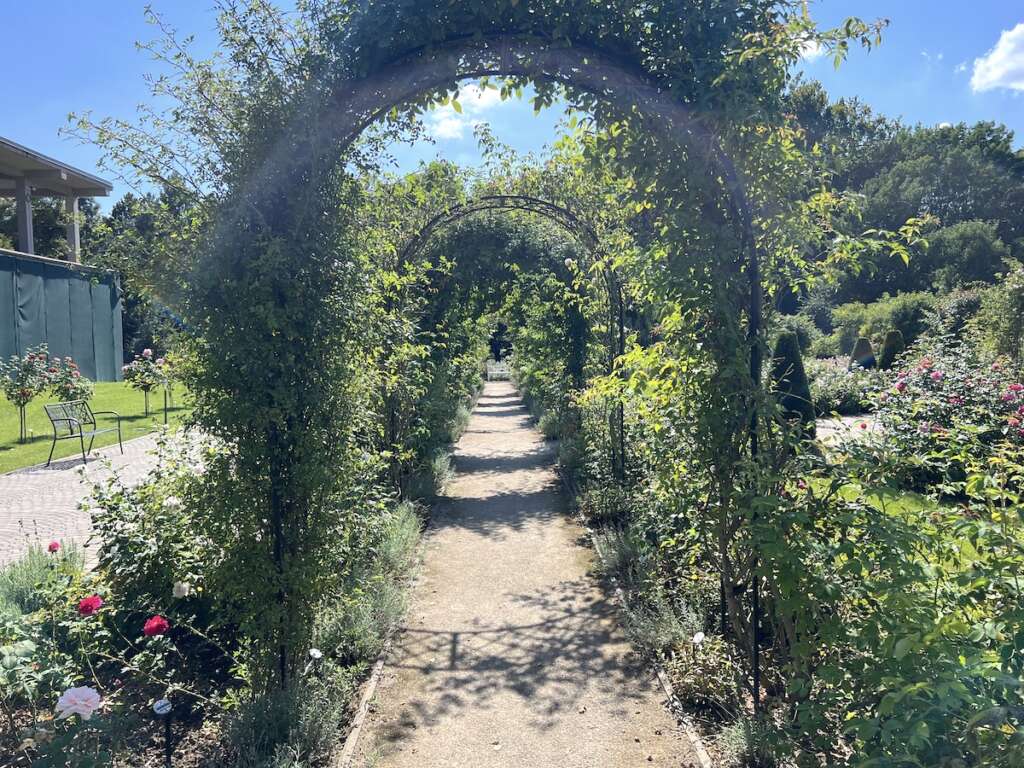
Medolandia in Dolná Krupá is a place where a passion for beekeeping meets the beauty of a rosarium featuring more than 1,000 roses in 88 varieties, including a special cultivar used to create the “Maria Henrieta” mead.
Visitors can taste meads, explore the rosarium with a guide, take part in beekeeping workshops, and visit the on-site café and shop offering local products. Medolandia is easily accessible by car, and the surrounding area features scenic hiking paths, cycling trails, and the nearby Smolenice Castle. It’s an ideal destination for relaxation, learning, and connecting with nature — leaving both vivid visual impressions and unforgettable flavours.
Interestingly, Medolandia is also the place where a mead was produced that earned the title of the best mead in the world! Medolandia and Nektaria often compete against each other at the world’s most prestigious mead-making competitions — but here’s a fun fact: in everyday life, they actually cooperate, as both places are run by two brothers.
Katarinka
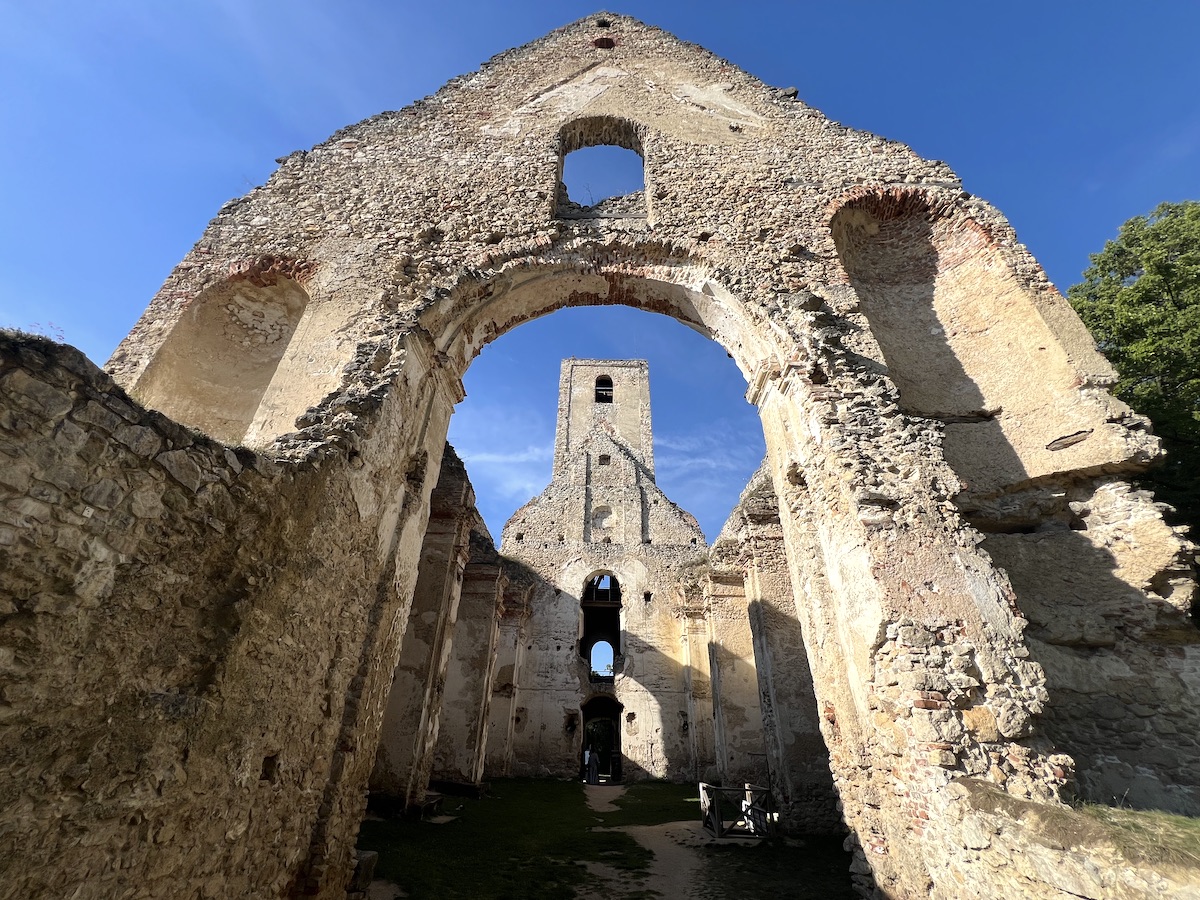
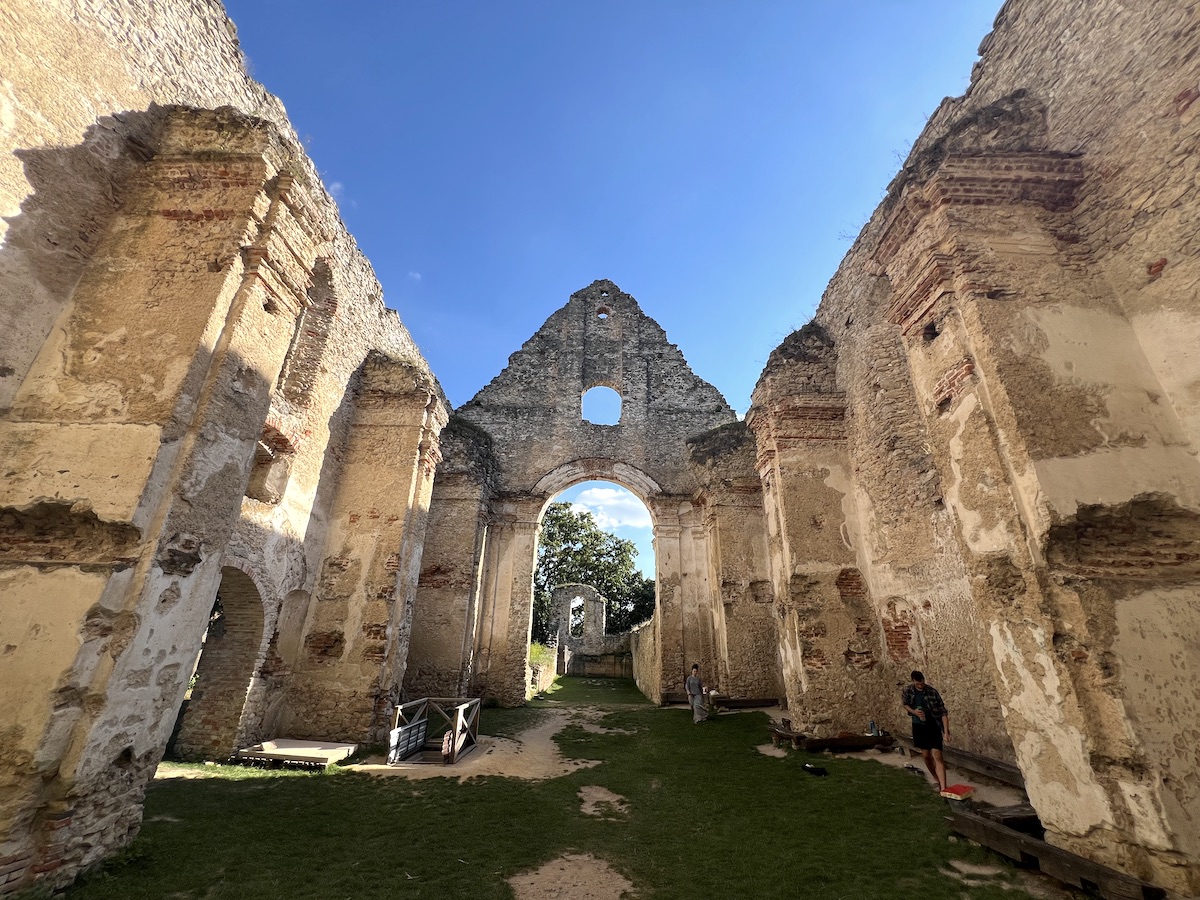
The ruins of the Katarinka monastery, hidden deep in the forests of the Little Carpathians, are an exceptionally atmospheric place accessible via scenic hiking trails. It is a combination of history, romantic landscapes, and a remarkable local community initiative that takes care of the site and works to preserve it.
Little Carpathian Wine Route
The Little Carpathian Wine Route leads through the picturesque hills of the Little Carpathians, connecting numerous vineyards and family-run wineries producing local wines. The route is attractive for both cyclists and drivers, offering beautiful views of the vineyards and surrounding villages. Along the trail, visitors can stop at wineries that offer tastings, workshops, and opportunities to learn about traditional winemaking methods.
The route promotes the region’s wine culture and encourages direct contact with local producers. It’s an excellent choice for travellers seeking relaxation, culinary experiences, and active leisure in a beautifully scenic setting.
Smolenice Castle
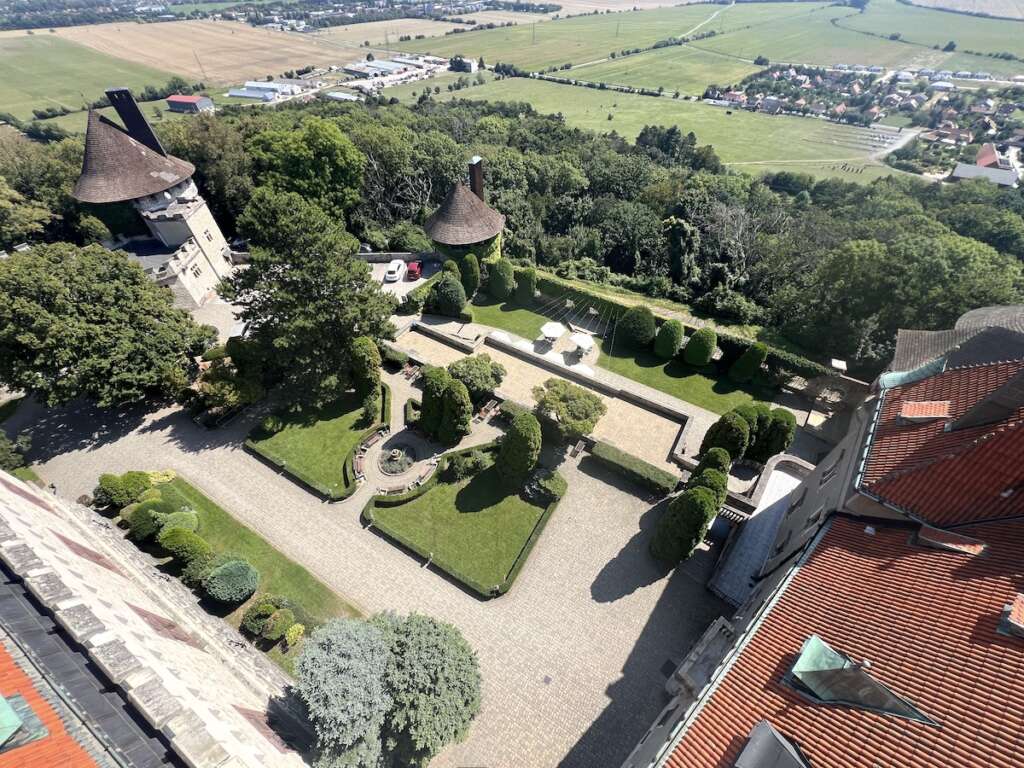
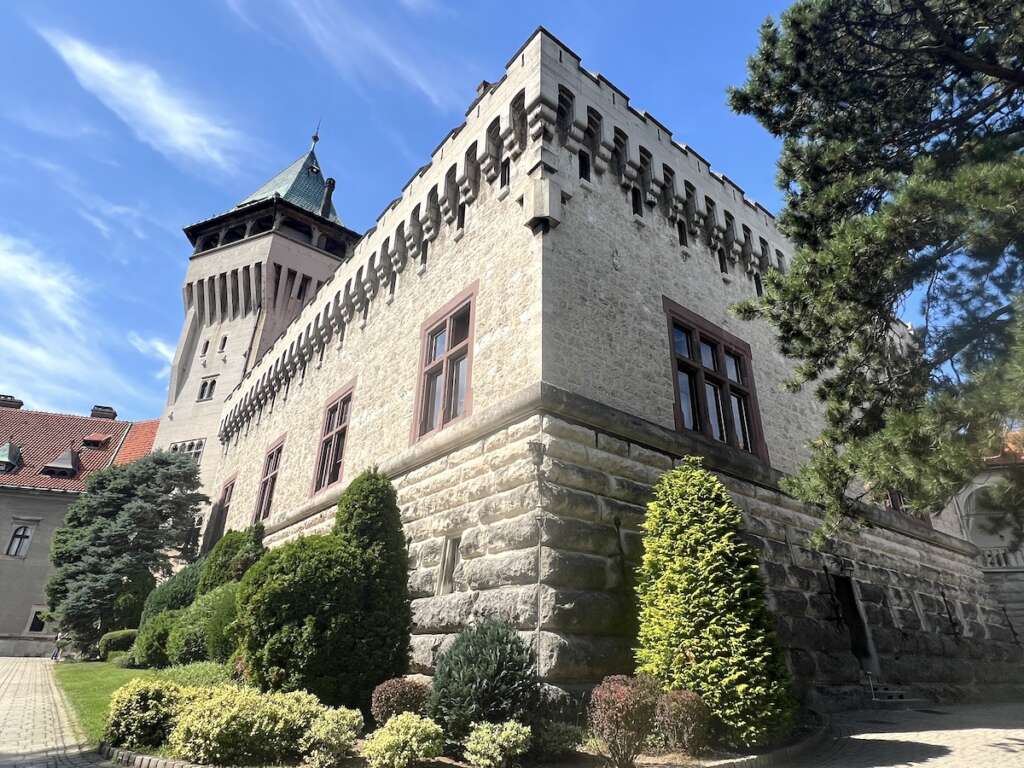
Smolenice Castle, located in the Little Carpathians, is a picturesque residence built in the early 20th century in a Neo-Gothic style on the foundations of a medieval fortress. Surrounded by extensive parkland and gardens, it is a popular destination for walks and cultural events. The castle houses exhibition and museum rooms presenting the history of the region and the estate itself.
The building is particularly charming in spring and summer, when the surrounding park bursts with flowers and lush greenery. Smolenice Castle frequently hosts concerts, exhibitions, and conferences, combining its touristic and educational functions. It is a must-see for architecture lovers and history enthusiasts. The interiors are not the most impressive, as the castle operates as a conference and hotel centre — but from the outside, it truly makes a stunning impression!
Is Trnava Worth Visiting?
Trnava is a charming city that captivates visitors with its beautiful sacred architecture and historic center filled with narrow streets and old townhouses. The surrounding area offers plenty of natural and culinary attractions, including the vineyards of the Little Carpathians and unique family-run farms producing mead and wine.
The city also invites you to enjoy peaceful walks in its parks, relax in cozy cafés, and take part in local festivals. Trnava is an ideal destination for both a short getaway and a longer stay, giving you the chance to discover regional culture, traditions, and flavors. A visit to Trnava lets you experience the authentic atmosphere of Slovakia and appreciate the richness of the surrounding region.