



Share This Article
The Via Ferrata HZS (Horská Záchranná Služba – Mountain Rescue Service) is the first via ferrata in Slovakia. It is located in the Malá Fatra mountain range, in the area known as Martinské Hole, near the city of Martin in the Žilina Region. This is a place that has been attracting mountain enthusiasts for years—both experienced climbers and tourists looking for their first contact with this type of adventure.
Access to the via ferrata is free of charge, but there are periods during the year when it is closed. The route is unavailable from April 15 to May 31 and from September 15 to October 31.
Getting there
Via Ferrata HZS is located in the Turiec region, near the town of Martin in the Žilina Region. You can reach it in several ways, but driving to the parking area is, in my opinion, the most convenient option.
By car – Martin lies 180 km north of Bratislava and about 90 km from Žilina. From Poland, the easiest access is via border crossings in Zwardoń or Korbielów. The journey takes just under 3 hours from Katowice and around 3.5 hours from Kraków. On site, it’s best to park in the Stráne area, from where hiking trails lead towards the ferrata.
By train – Martin has good rail connections with Žilina, Bratislava and Košice. The railway station is located in the city center, and from there you can continue by public transport or taxi.
By bus – regular bus services from larger cities also stop in Martin.
Equipment rental
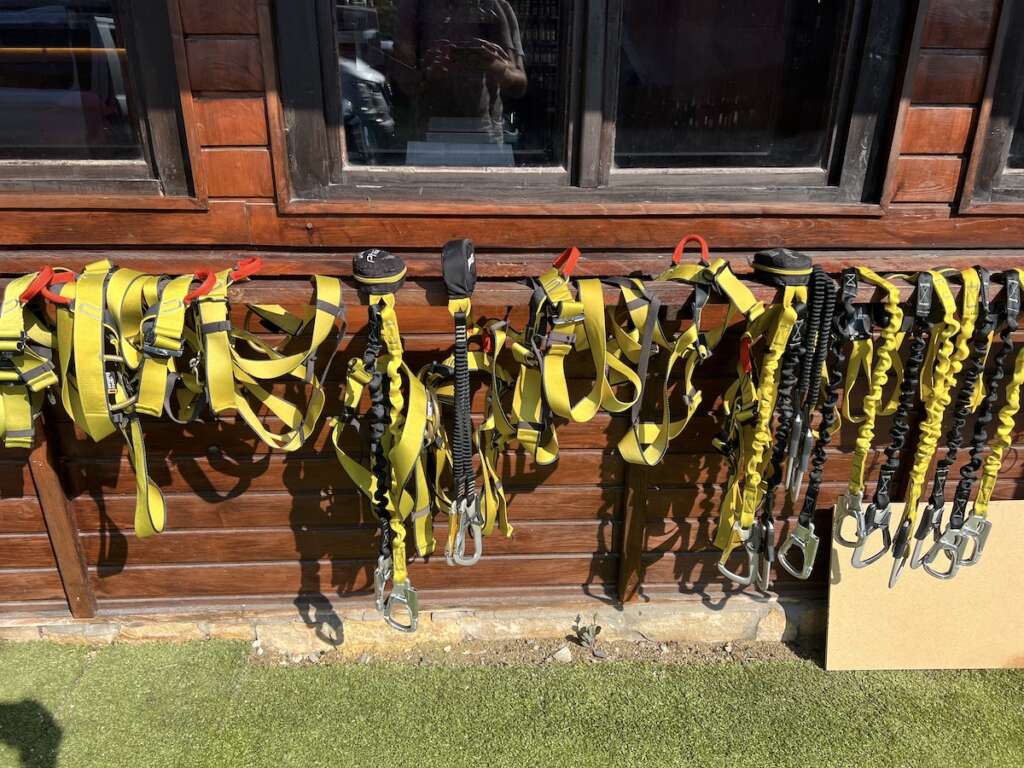
Proper gear is required to complete the via ferrata. There is no checkpoint where it is officially inspected, but it is essential to have it for your own safety. What do you need?
- a helmet,
- a climbing harness,
- via ferrata lanyards (set),
- protective gloves (combining safety, grip, and comfort).
There are several rental points on-site where you can get a full set of equipment. The cost is usually around €10–15 per day. Rental shops operate in a few locations—I personally used FatraSki, where you can also rent an off-road scooter for the descent, which will be waiting for you at the top. Beginners can also take advantage of local mountain guides.
It’s important to remember that mountain rescue operations in Slovakia are paid services. It’s highly recommended to have travel insurance that covers this type of activity.
Approach to the starting point
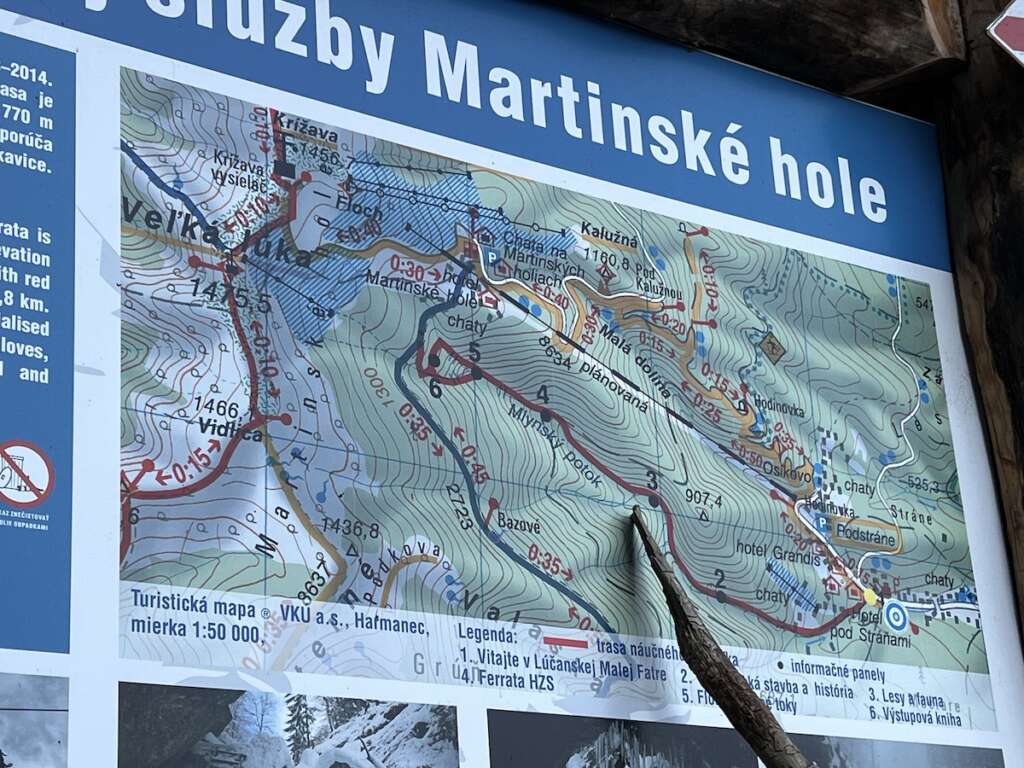
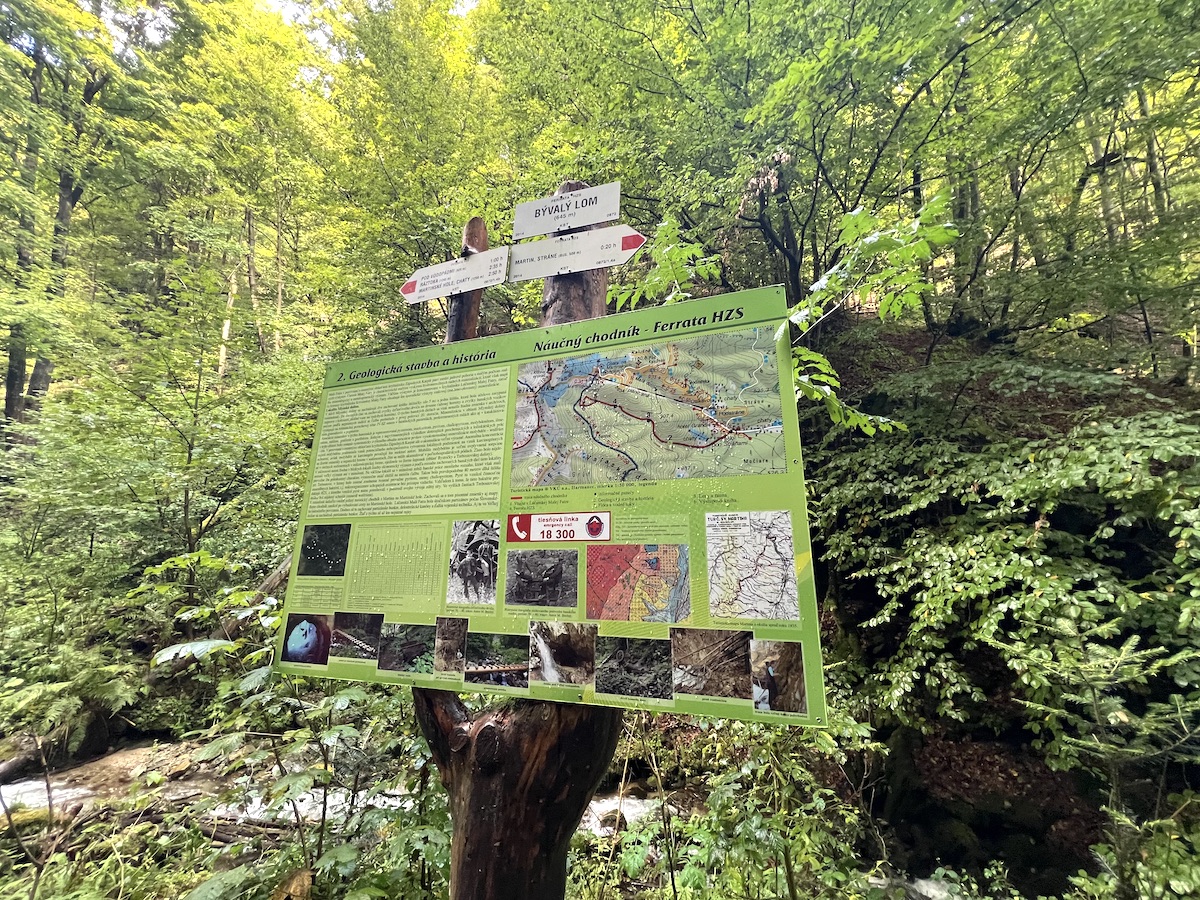
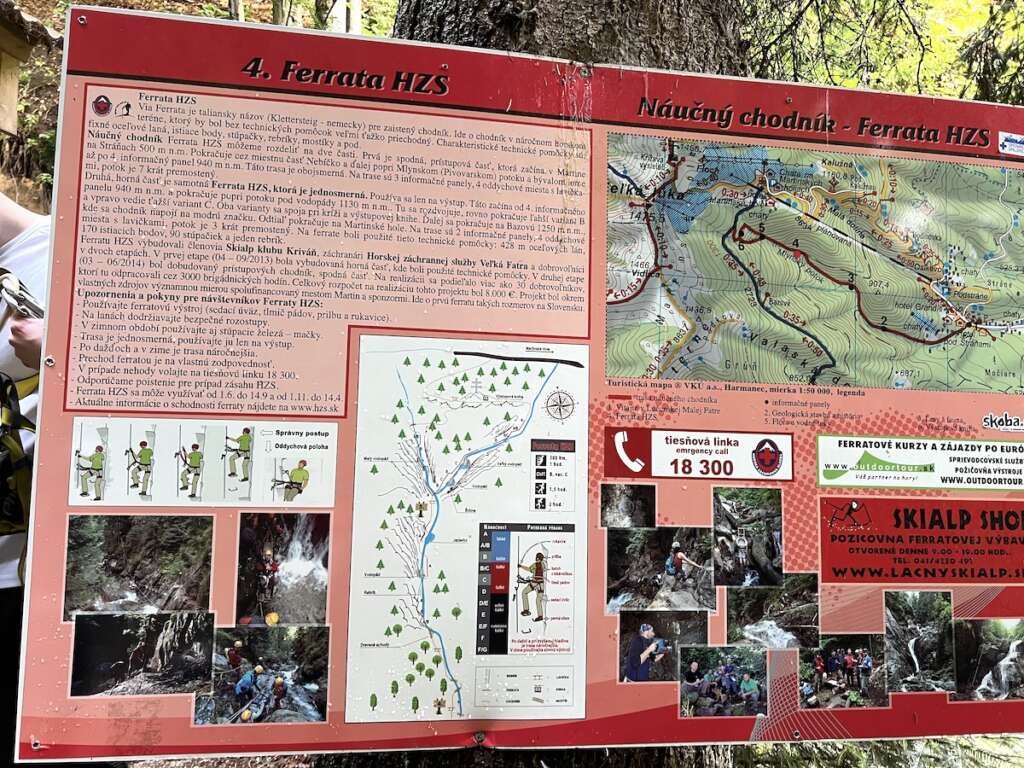
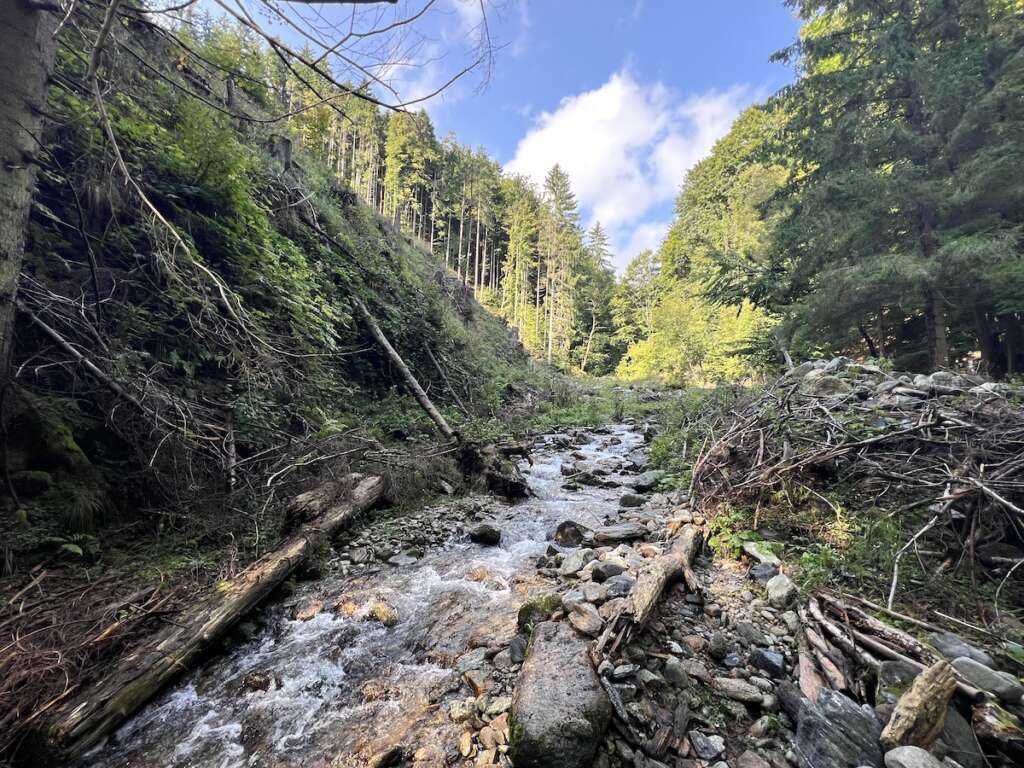
The via ferrata begins in the valley, at an altitude of about 500 meters above sea level, near the village of Stráne. The approach takes approximately 1–1.5 hours from the parking area. The trail follows the Pivovarský stream, and along the way you’ll pass information boards explaining safety rules and the route layout. You’ll be following the red trail the entire time, and the scenery is impressive-the stream accompanies you almost all the way.
At first, the path is asphalt, then it continues over paved slabs, but it quickly gives way to natural terrain. Even at this stage, you’ll occasionally need to cross small bridges or footbridges.
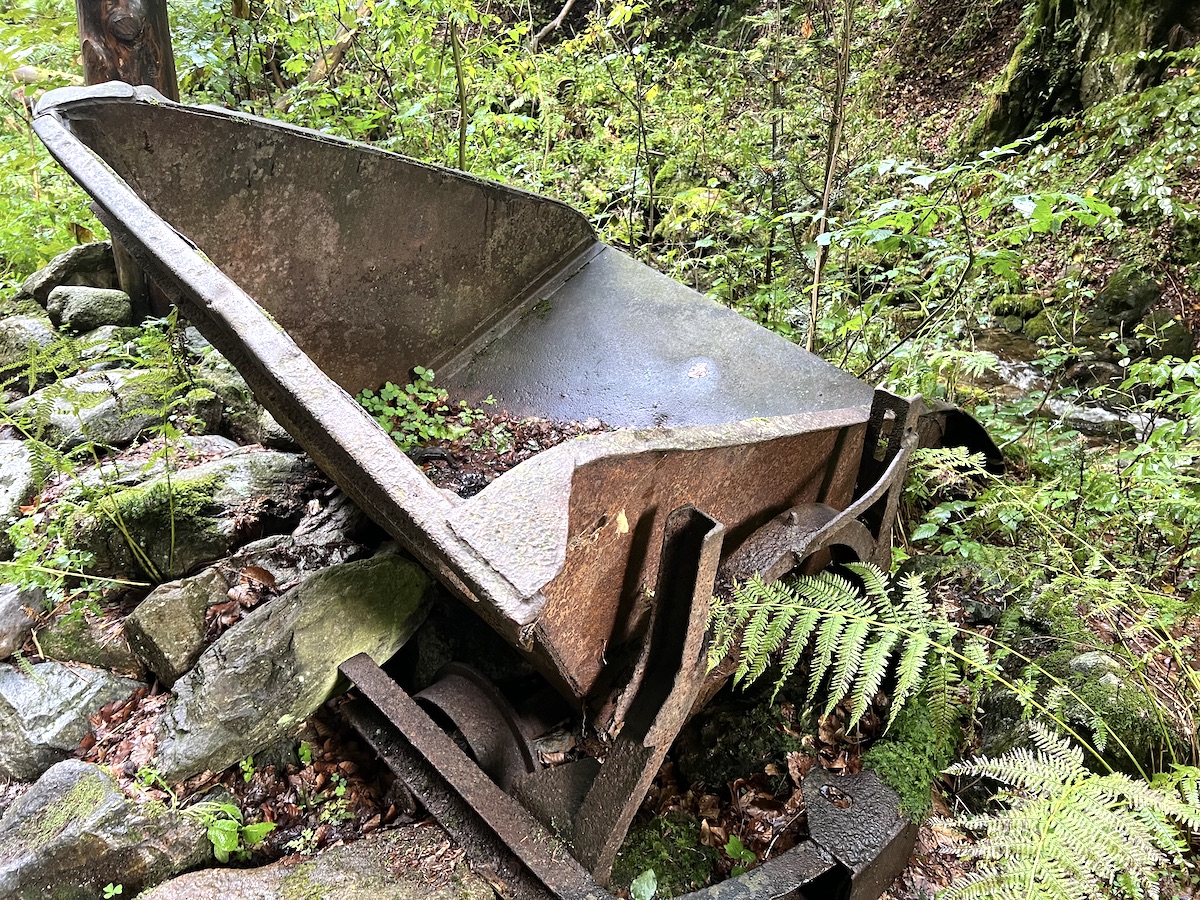
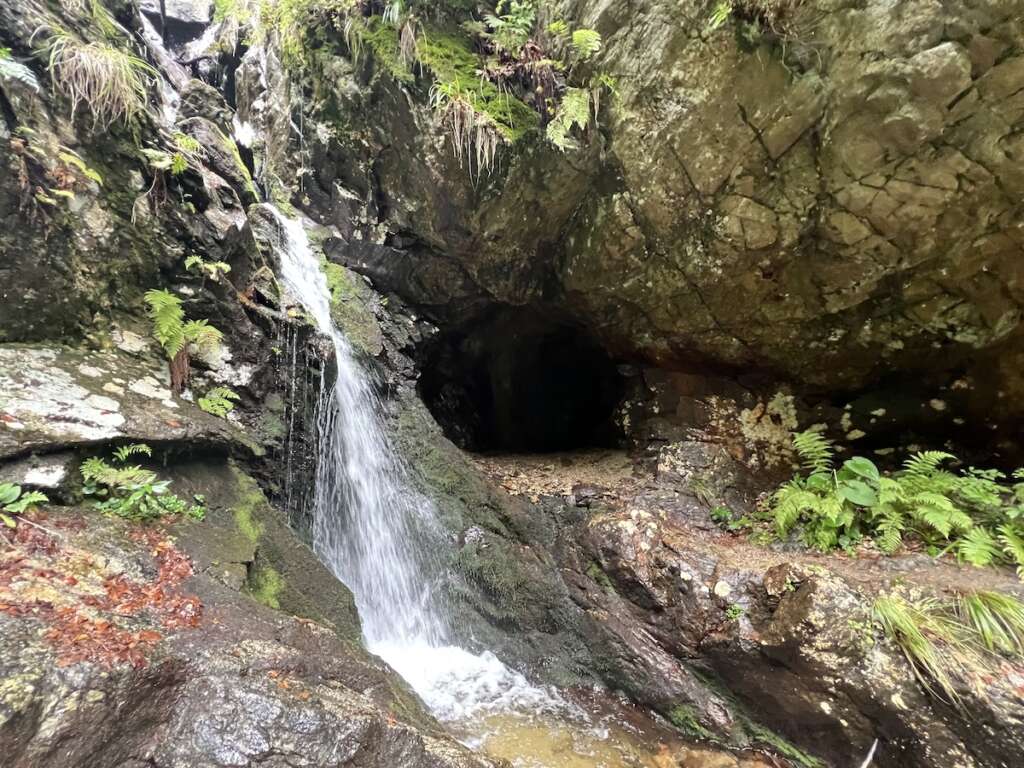
There are also several information points along the route. One of the most interesting spots, in my opinion, is the remains of an old quarry. Although the adits are now filled in and inaccessible, you can still see remnants of mining infrastructure, including carts, tracks, and other equipment. The mine that once operated here was used for extracting gold, silver, and other minerals.
Routes and difficulty levels
Via ferrata routes are graded using a difficulty scale that helps you choose the right path based on your skills and fitness level. The most common system is the letter scale (A–F) or descriptive grading.
- A (easy) – wide ledges, steel cables, and steps; suitable for beginners and families.
- B (moderate) – steeper sections requiring the use of hands and confident movement.
- C (difficult) – steep walls, vertical ladders, and exposure; good physical condition required.
- D (very difficult) – long vertical sections, limited artificial aids; requires strength and technique.
- E (extreme) – overhangs, significant exposure; experience and excellent fitness are essential.
- F (extremely difficult) – very demanding sections, often for professionals; high risk and exposure.
Thanks to this grading system, it’s easy to match the route to your level—from recreational trails for families to extreme challenges for experienced climbers. The Via Ferrata HZS is classified, depending on the chosen route, as A/B or B/C. This makes it a great option also for those just starting their adventure with this type of activity.
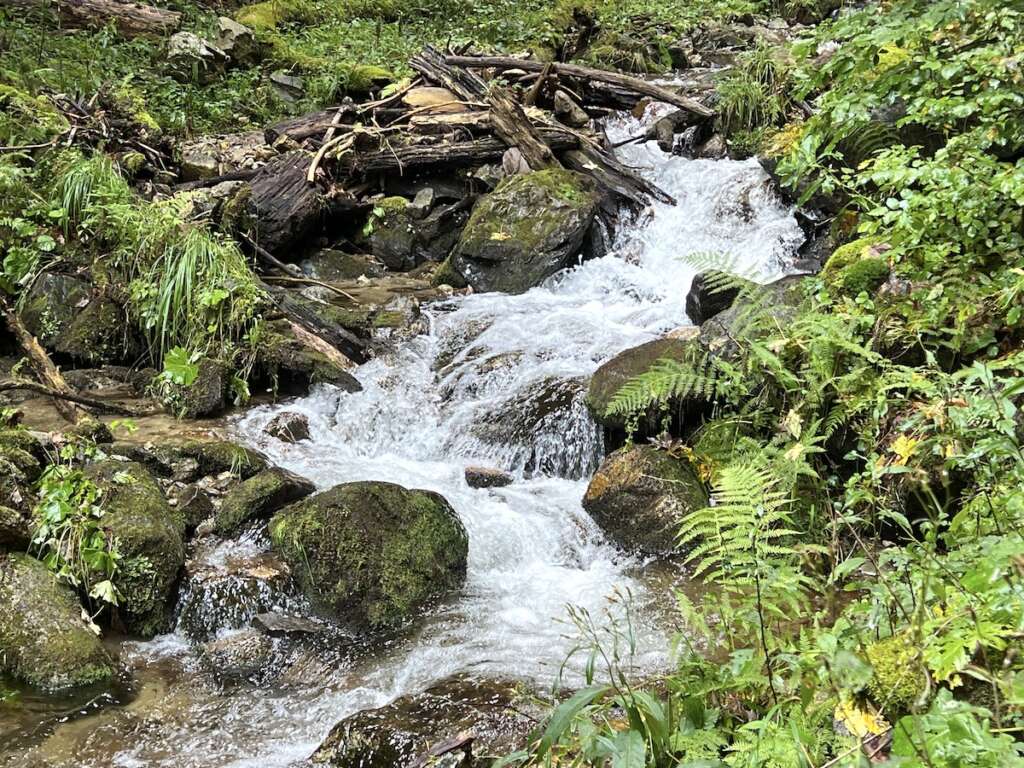
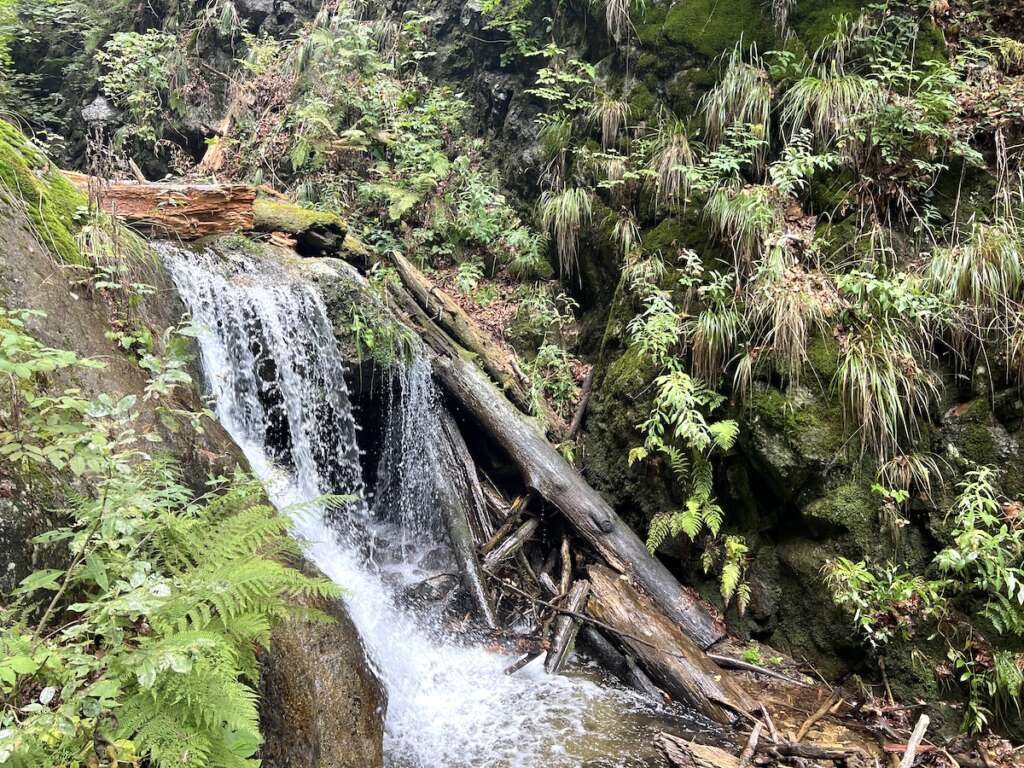
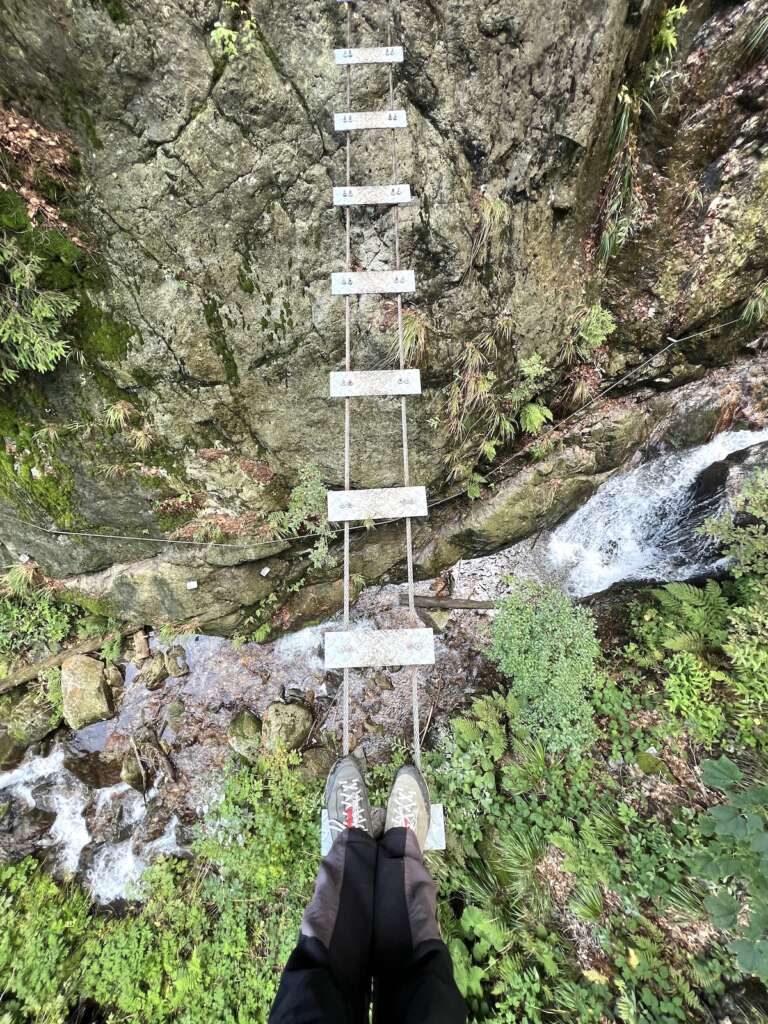
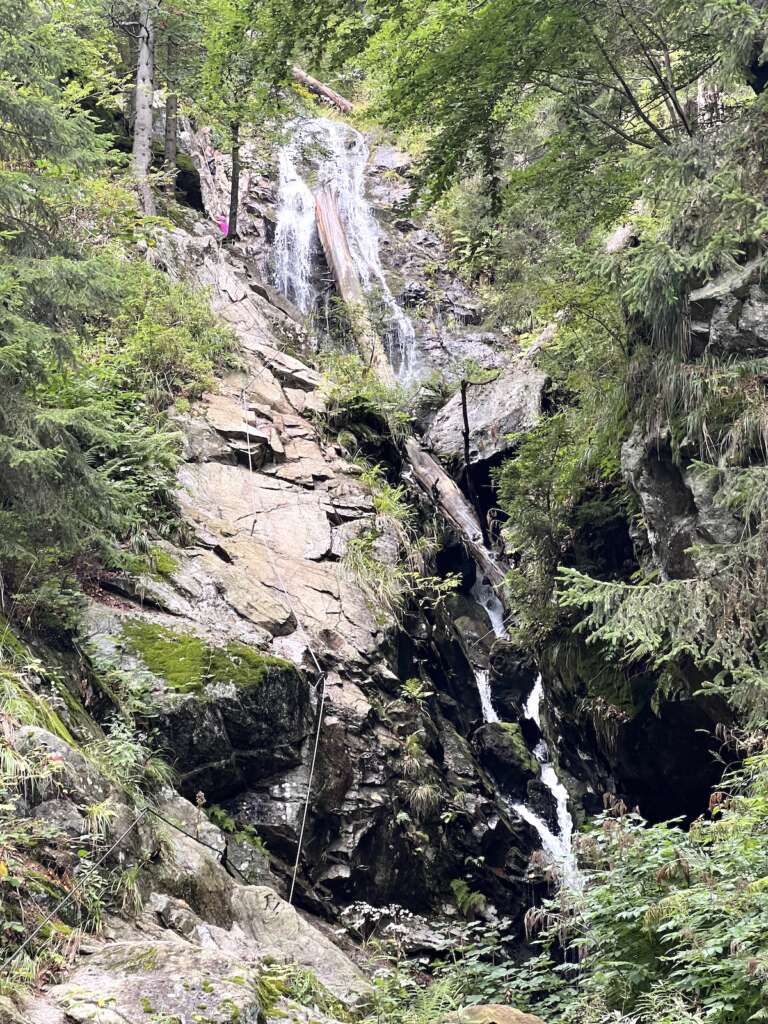
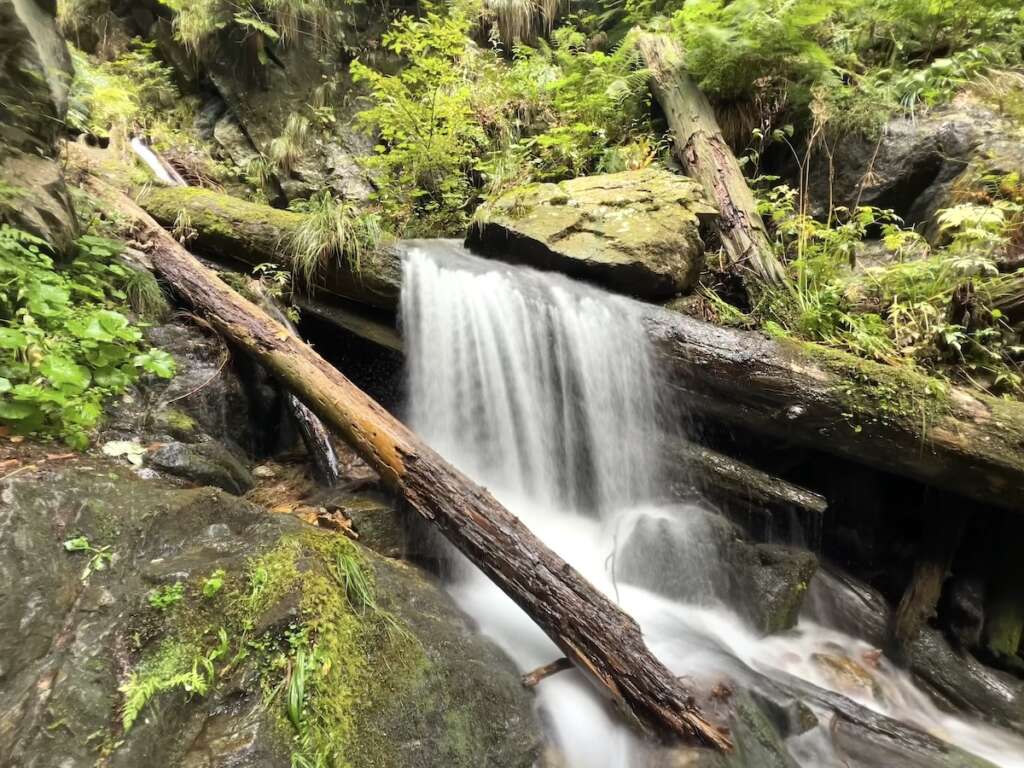
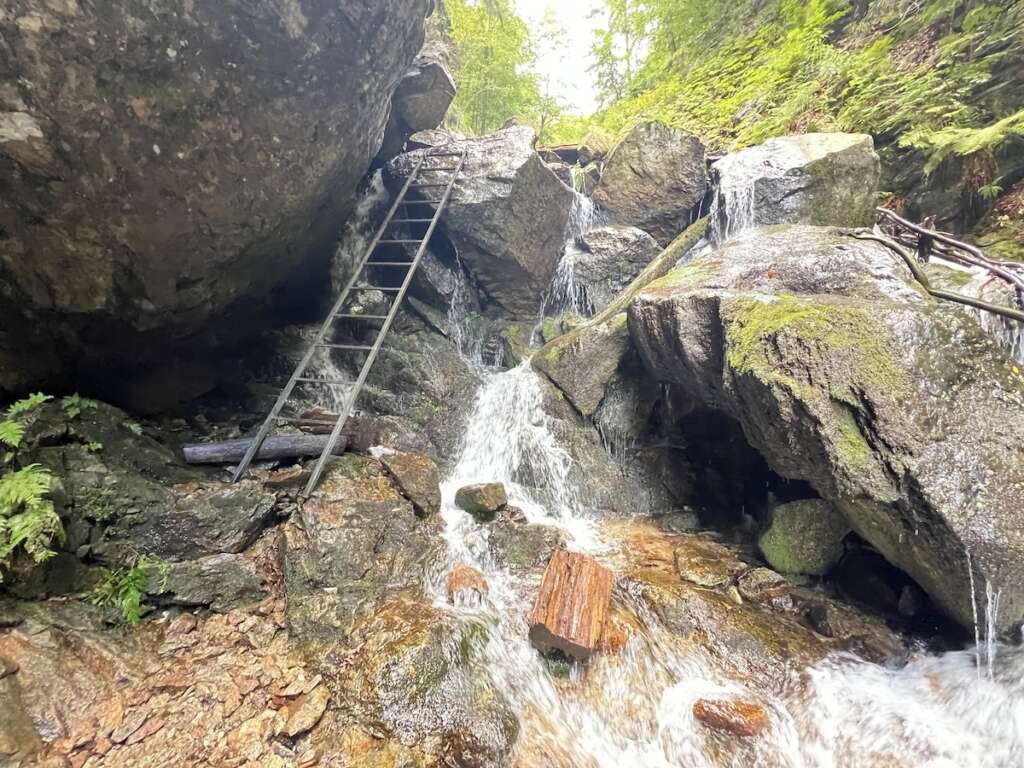
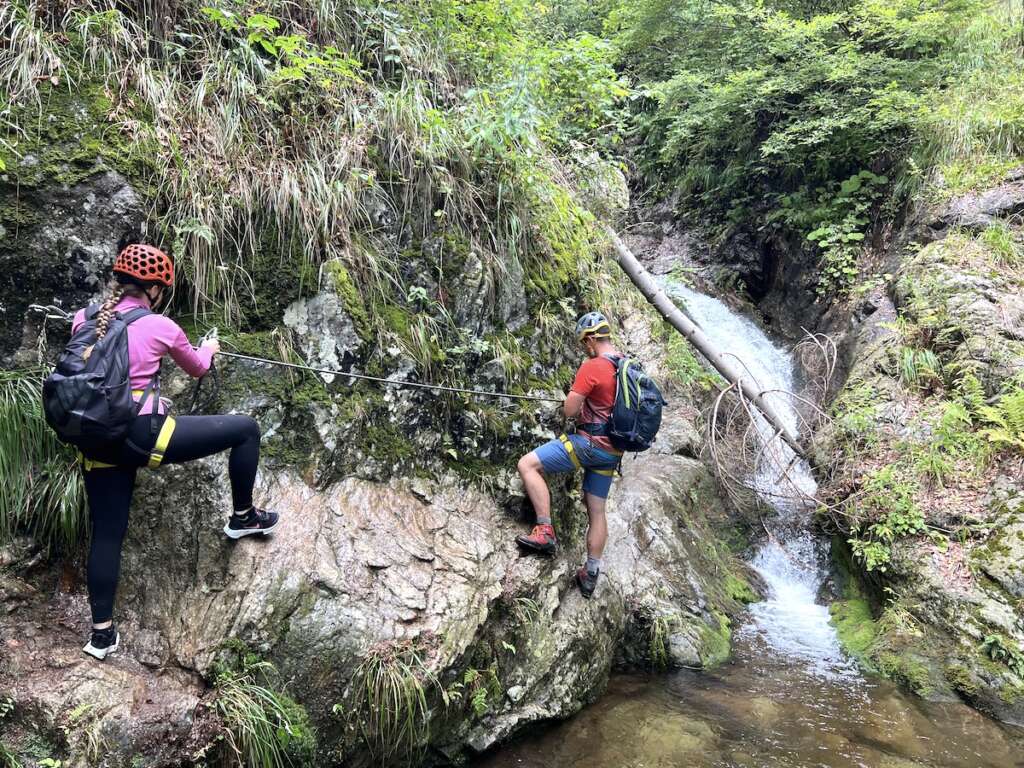
Along the route, you’ll need to tackle sections with metal steps, cables, and natural rock walls. There are also two suspension bridges waiting for you. In many places (especially after rain), you can expect mud, and some sections run close to waterfalls—so getting slightly wet is definitely possible.
I chose the B/C difficulty route. While climbing, you’ll encounter vertical walls, and waterfalls, and from time to time, narrow openings between the trees reveal views of the surrounding landscape. After completing the ferrata, a walk along the blue trail leads to the summit, where you’ll find food facilities—definitely useful after such an energy-demanding route.
In total, the distance from the parking area to the end of the route is just under 5 kilometers, but the elevation gain is as much as 880 meters!
You can hike back down, but you can also take advantage of the previously mentioned option of renting an off-road scooter—it’s a great experience, and the descent is fast and dynamic.
How to prepare?
It’s worth preparing properly before tackling a via ferrata:
- Bring comfortable trekking shoes with good grip.
- Pack a change of clothes – the route follows a stream, so it’s easy to get splashed.
- Take enough water and food – there are no mountain huts in the valley itself.
- Check the weather forecast – during storms or rain, entering the ferrata is extremely dangerous. Weather conditions in the Slovak mountains can be checked on the website of the Horská záchranná služba.
- Beginners are advised to go with a guide.
Martinské Hole
The finish point of the Via Ferrata HZS is located at 1,200 meters above sea level, in the area of Martinské Hole – a popular tourist and ski resort. In winter, ski lifts operate here, while in summer the area attracts hikers and cyclists. There are also mountain huts and hotels where you can relax after the climb. The view over the Turiec Basin and the peaks of the Malá Fatra makes all the effort worthwhile.
What to see near Via Ferrata HZS?
The surroundings of Martinské Hole offer plenty of additional attractions:
- Martin – a town with rich history, museums, and monuments, including the Museum of the Slovak National Uprising.
- Kraľovany and the Váh Valley – scenic walking and cycling routes.
- Turiec – known for cycling trails and mountain scooters.
- Malá Fatra – numerous hiking trails, including the popular Šútovský Waterfall, the highest in Slovakia (38 m).
- Turčianske Teplice – a perfect place to relax after physical effort.
Via Ferrata HZS – is it worth visiting?
The Via Ferrata HZS is a great option for those seeking strong emotions and mountain adrenaline. It is the most challenging ferrata in Slovakia, but also one of the most beautiful—it leads through a wild valley, along waterfalls and rocky terrain, all the way to the summit of Martinské Hole.
The combination of a sporting challenge, nature, and breathtaking views makes it a must-visit destination for all active travelers exploring the Malá Fatra.