


Share This Article
Vienna is a city that captivates visitors with its cultural and historical richness. Among the many attractions of Austria’s capital, the Natural History Museum in Vienna (Naturhistorisches Museum Wien) holds a special place. It is one of the most important institutions of its kind in the world. The museum opened nearly 140 years ago, and what personally fascinates me is that part of the exhibition has remained almost unchanged since that time, undergoing only renovations and conservation work.
When planning your visit to Vienna, you should dedicate one full day to this place. Yes — an entire day! Even if you only want to briefly explore all the exhibitions, you will realistically need 3–4 hours. The Natural History Museum is enormous; its collections reportedly include over 30 million objects. Visitors can see only a small percentage of them, displayed in 39 exhibition halls. From the oldest minerals and dinosaur skeletons to contemporary animal species — each exhibition tells a fascinating story about the evolution of life and the history of our planet.
During my visit, I came across a surprising exhibit — a Polish accent in the form of an exhibition dedicated to the Białowieża Forest and European bison! But more on that in a moment. Let me introduce you to this extraordinary place — the Natural History Museum in Vienna.
Location
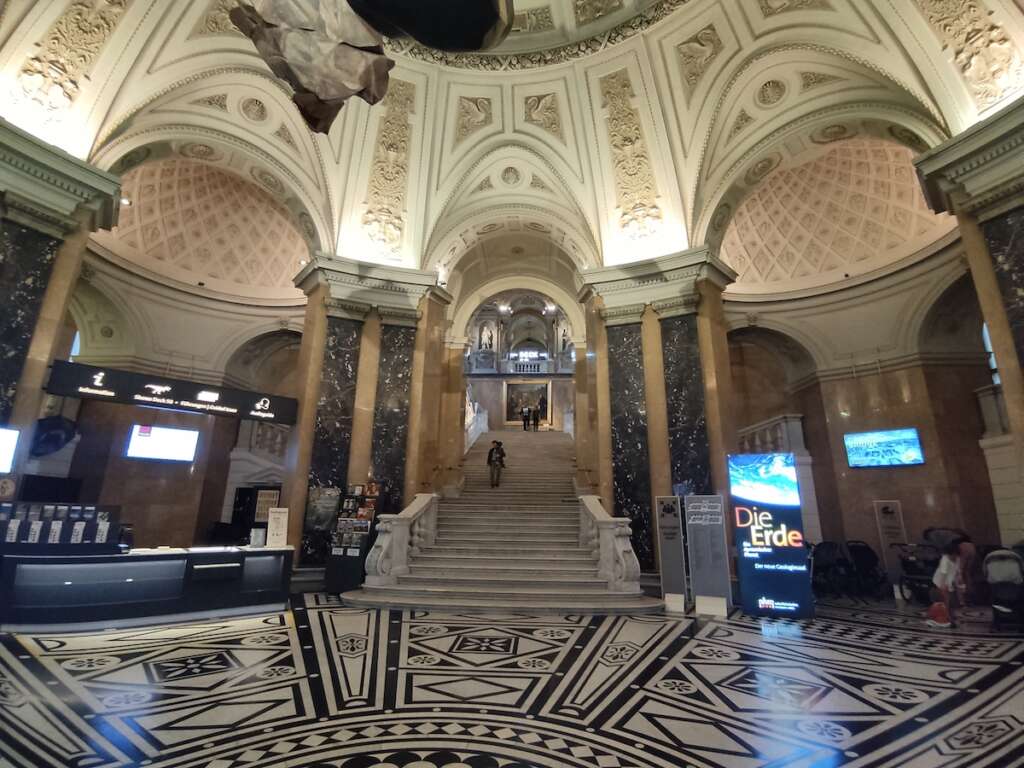
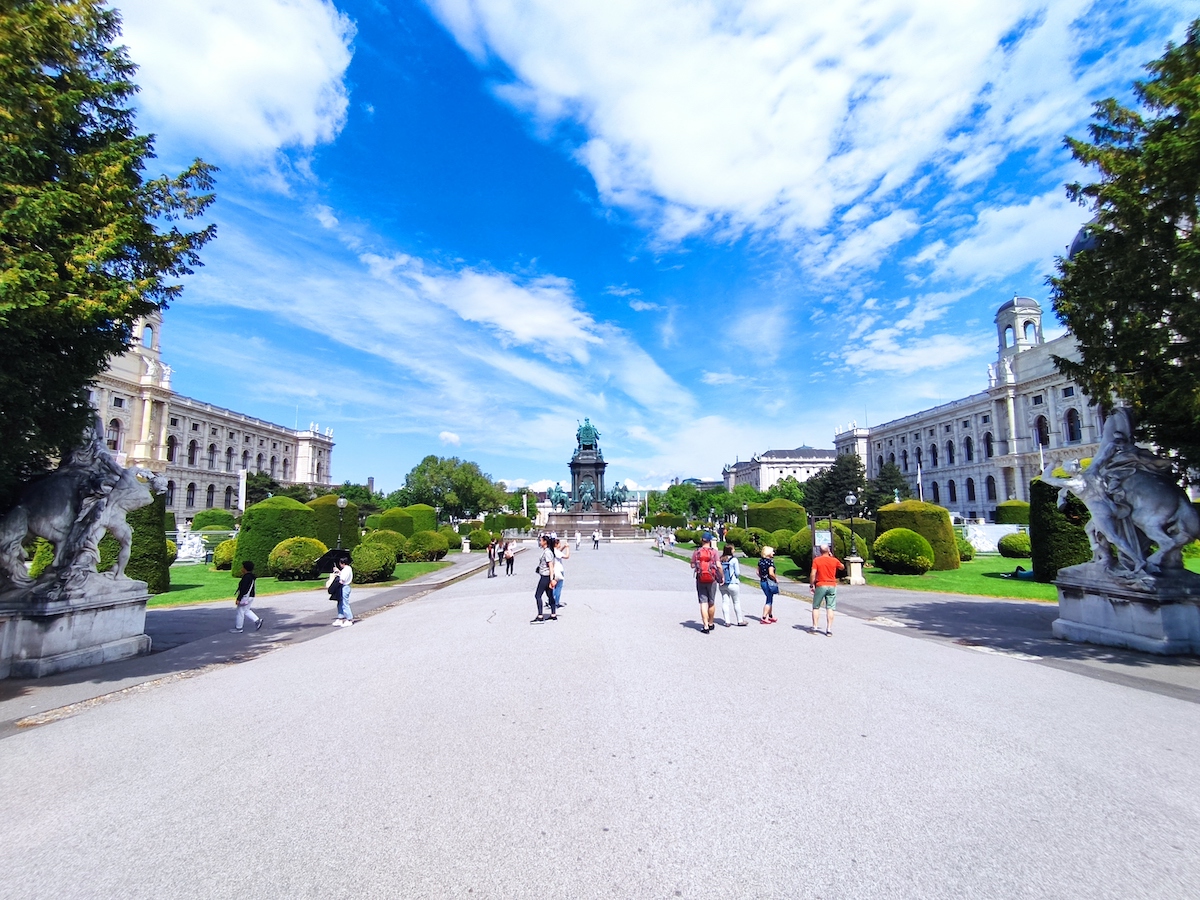
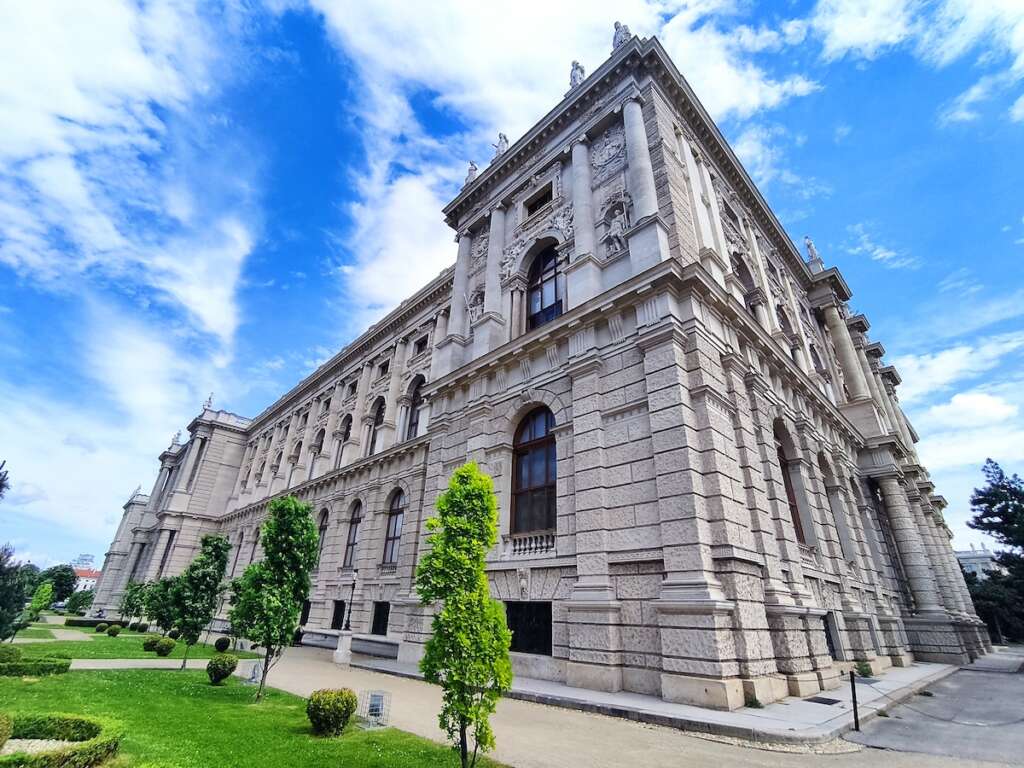
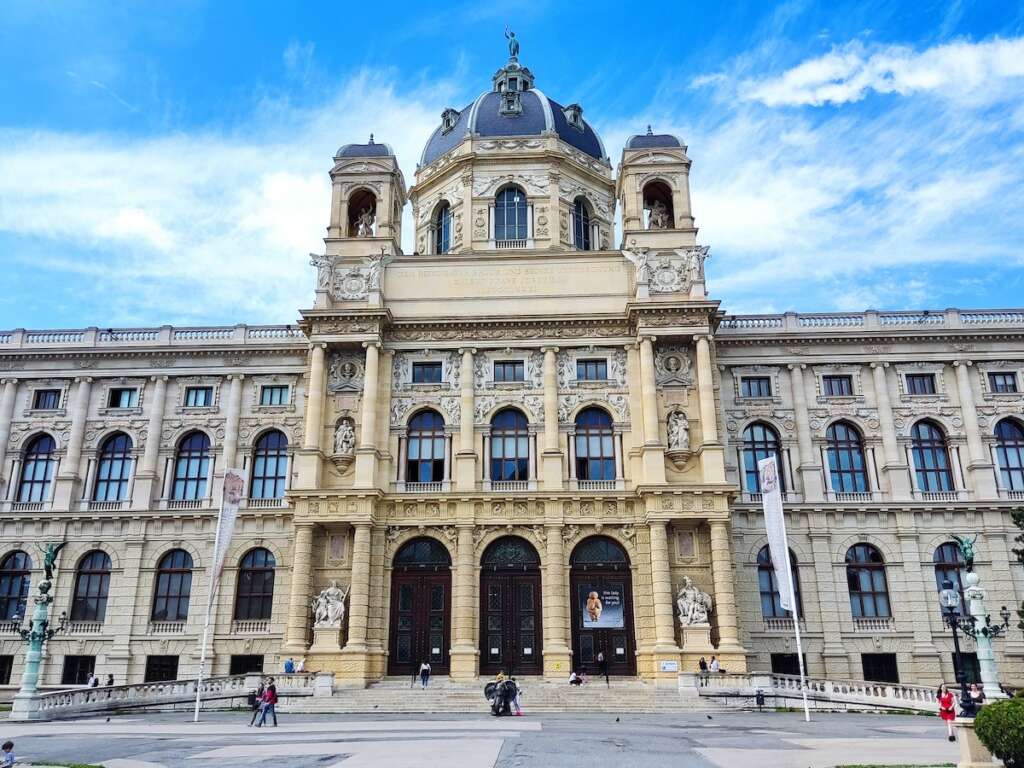
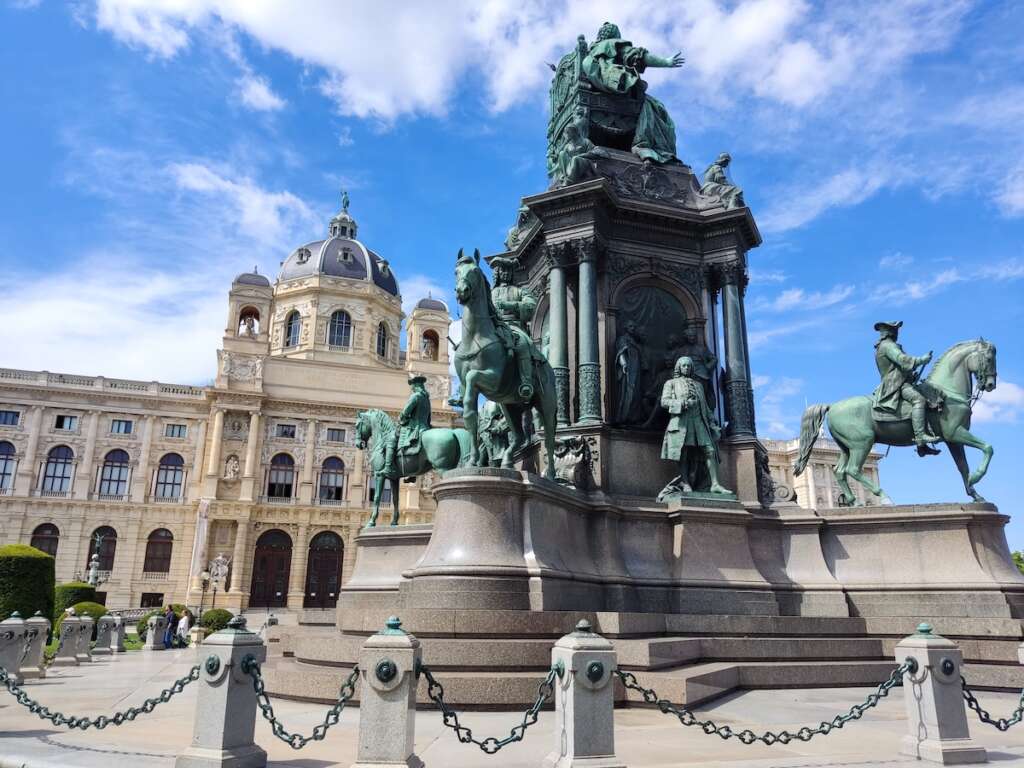
The Natural History Museum is located at Maria-Theresien-Platz, right in the heart of the city. The exact address is Burgring 7, 1010 Vienna, Austria. The location itself is exceptional and highly attractive to tourists. On Maria Theresa Square stand two monumental twin palaces facing each other. One houses the Natural History Museum, and the other the Kunsthistorisches Museum Wien. The place is simply beautiful. The richly decorated Neo-Renaissance façades of both buildings draw attention and foreshadow the treasures hidden inside. Between the palaces stands an equally monumental monument to Empress Maria Theresa.
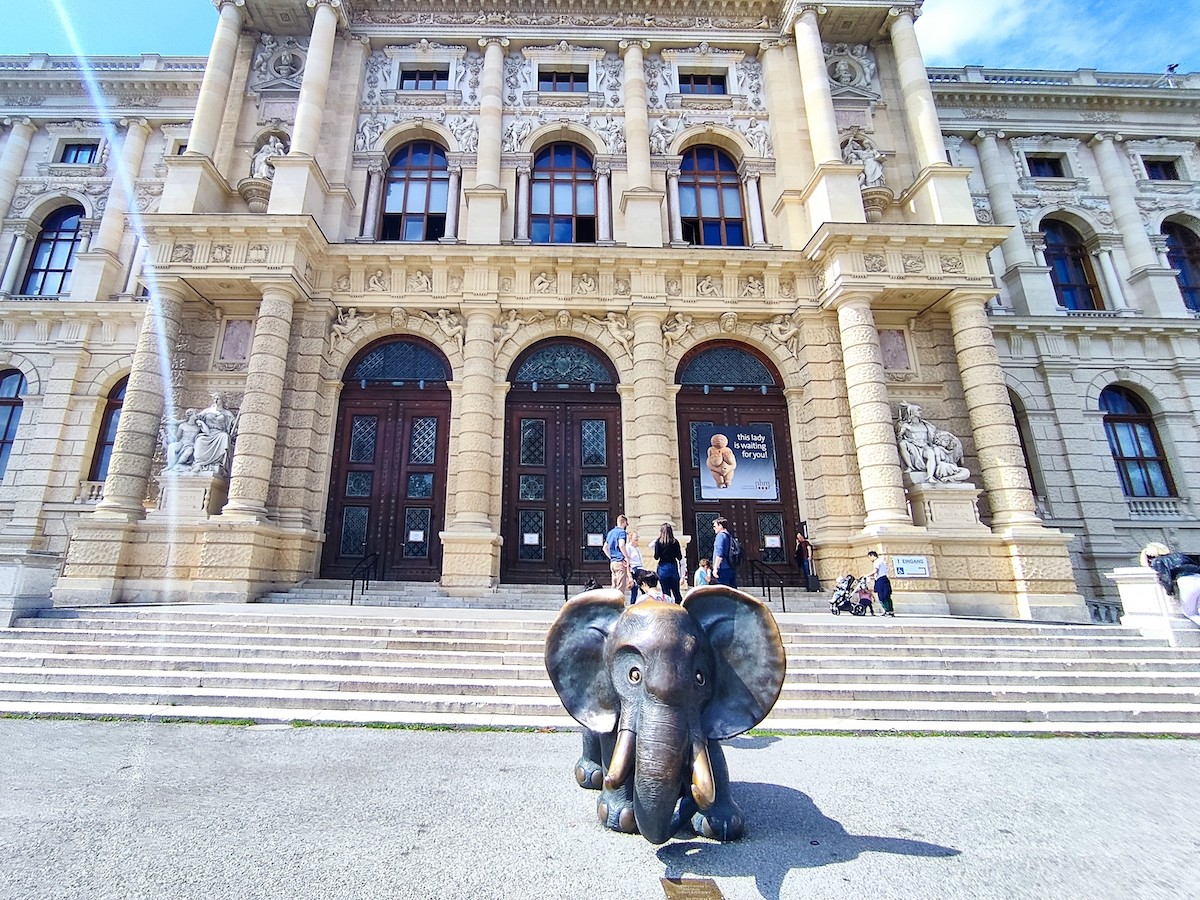
Since the two museums look remarkably similar, a small elephant statue has been placed in front of the Natural History Museum. Thanks to it, you can easily find the right entrance. You should know that there is a sign next to it forbidding climbing onto the elephant’s back — I mention this because I know how tempting it can be.
The easiest way to reach the museum is by public transport. Nearby is the Volkstheater metro station (lines U2 and U3), numerous tram stops (for example, Burgring — lines D, 1, 2, 71), and bus stops (lines 48A, 57A). If you are exploring the city center, you can also reach it on foot. The museum is located in a tourist-friendly part of the city, close to many wonderful attractions such as the Hofburg (5 minutes) and the Vienna State Opera (10 minutes), making it easy to include in your sightseeing plans.
For those arriving by car, paid parking spaces are available nearby, although finding a free spot in central Vienna can be challenging. I recommend using public transport, bicycles (WienMobil), or scooters (note the stricter regulations — for example, scooters exceeding 25 km/h are treated as mopeds and require a helmet and a driving license).
Tickets and Discounts
Tickets to the Natural History Museum can be purchased at the ticket office in the entrance hall or online. Online purchase is usually recommended, although I personally bought my ticket on the spot without any queue. It was late May, so already high tourist season. If you want to buy in advance, you can do so on the museum’s website.
A very positive surprise is that all children and young people up to the age of 19 can visit the museum free of charge. I believe this is a fantastic policy that all such institutions should adopt. Free entry also applies to holders of the Vienna Pass tourist card.
Other ticket prices are as follows:
- Regular ticket: €18
- Reduced ticket: €14 (students up to 27 years old, seniors, people with disabilities)
Remember that to receive a discount or free entry, you must bring a valid student or school ID. Be sure to check current prices on the museum’s website (the prices listed here are valid as of September 2025).
The museum also offers an annual pass for €44. Tourists, however, may be more interested in combined tickets with other Vienna attractions. Information about current discounts and promotions can be found on the museum’s website before your visit.
The museum also offers special educational programs for schools and groups, which must be booked in advance. An audio guide costs €6. Photography is allowed free of charge, but without flash or a tripod.
Opening Hours and Facilities
The Natural History Museum in Vienna is open daily except Tuesdays. From Thursday to Monday, it is open from 9:00 a.m. to 6:00 p.m., and on Wednesdays from 9:00 a.m. to 8:00 p.m. The last admission is at least 30 minutes before closing time.
Opening hours may change due to holidays or special events, so it is best to verify this information on the museum’s website before your visit.
Although the museum is housed in a historic building, it is adapted to the needs of visitors with reduced mobility. There are elevators and wheelchairs available for rent. Audio guides are available in several languages, although unfortunately not in Polish. Free Wi-Fi is available throughout the building. Visitors can use the cloakroom and museum shop, and on the first floor there is a café where you can take a break, enjoy a coffee, or even have lunch (which I personally recommend). Please note that pets are not allowed inside the museum.
A Brief History of the Museum
The origins of the Natural History Museum date back to the 18th century and are closely linked to the imperial family. The collection we admire today was initiated by Emperor Francis I Stephen of Lorraine, husband of Maria Theresa. He was a great enthusiast of the natural sciences and gathered vast collections of minerals, fossils, and meteorites, which became the foundation of today’s museum. After his death, Maria Theresa made his collection accessible to the public by opening the first museum.
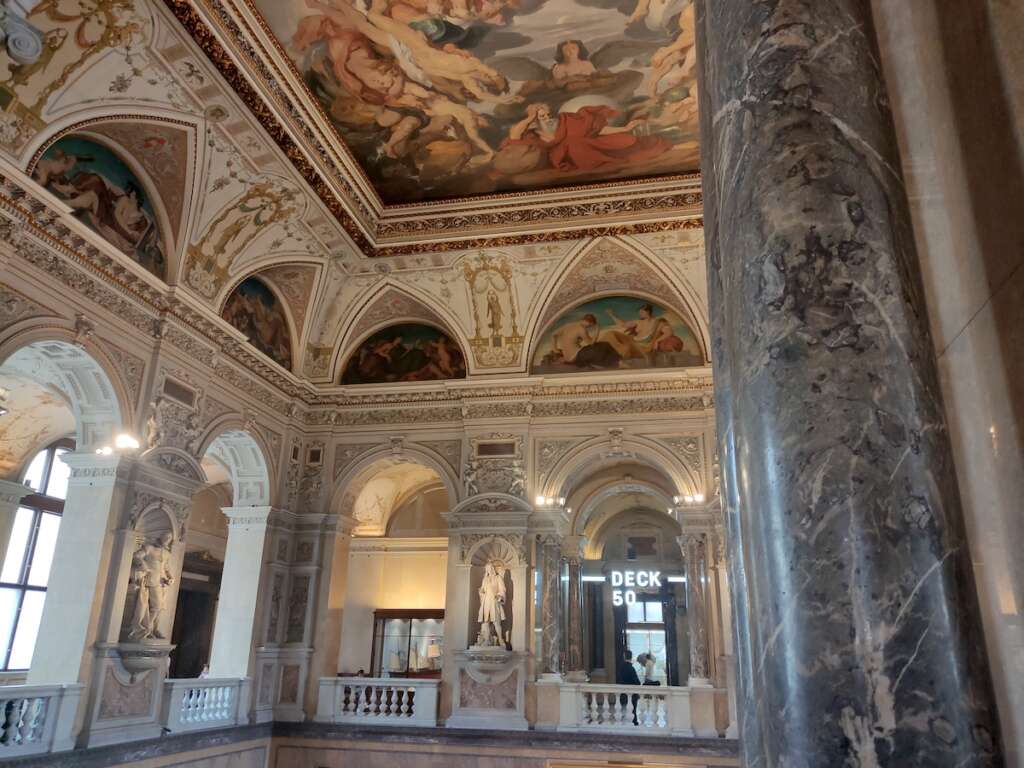
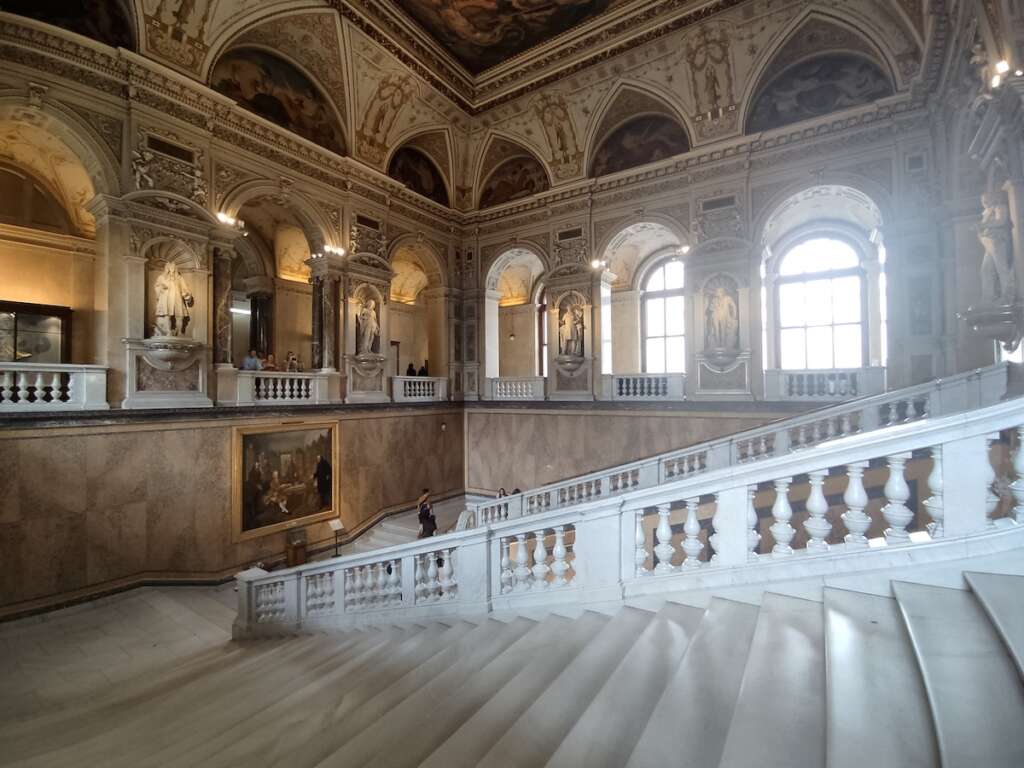
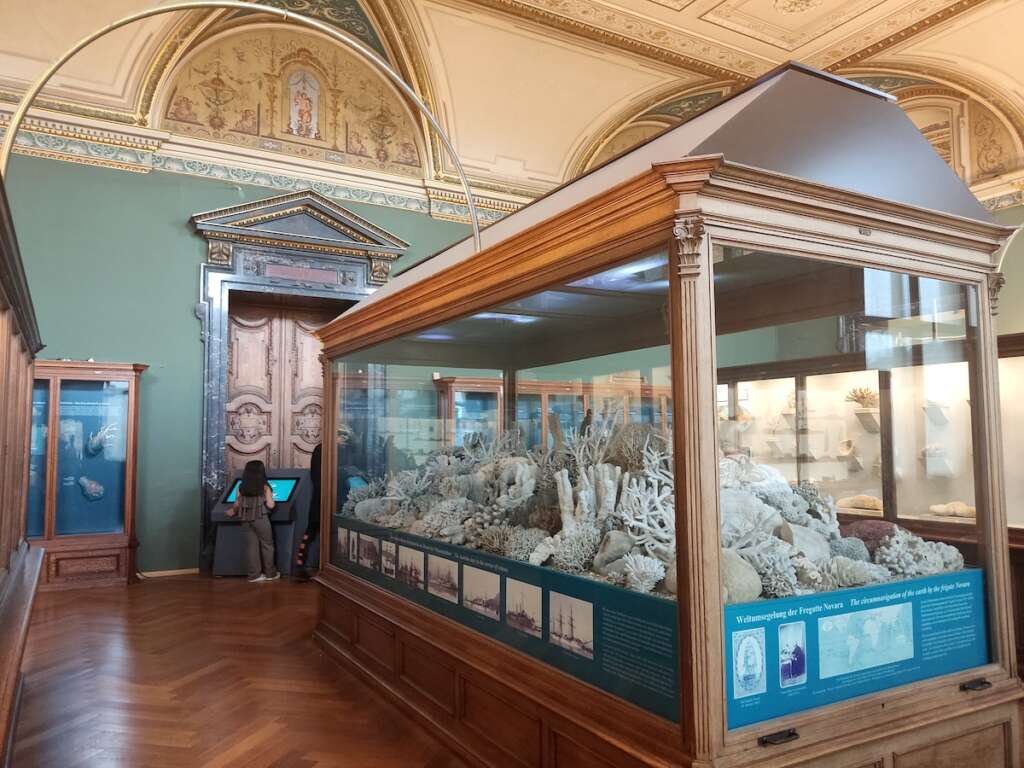
The current museum building was designed by architects Gottfried Semper and Carl Hasenauer at the request of Emperor Franz Joseph I. It opened in 1889. From the beginning, the museum was a place where science met art. Impressive frescoes, mosaics, and sculptures inside the palace form an integral part of the exhibition, creating an unforgettable, somewhat “imperial” atmosphere. Interestingly, among the wall paintings you can find works by Gustav Klimt.
During World War II, a large part of the museum’s collection was evacuated, which helped save invaluable specimens from destruction. After the war, the museum underwent extensive modernization and continues to adapt to new standards. Today, some exhibitions are multimedia and interactive. The museum is not only an exhibition space but also an active research center, where scientists from around the world deepen our understanding of nature.
What Can You See at the Museum?
As mentioned earlier, you should allow at least several hours for your visit. Exploring the museum is a true journey through billions of years of our planet’s history — and that takes time.
The exhibitions are divided into two main thematic sections.
Ground Floor
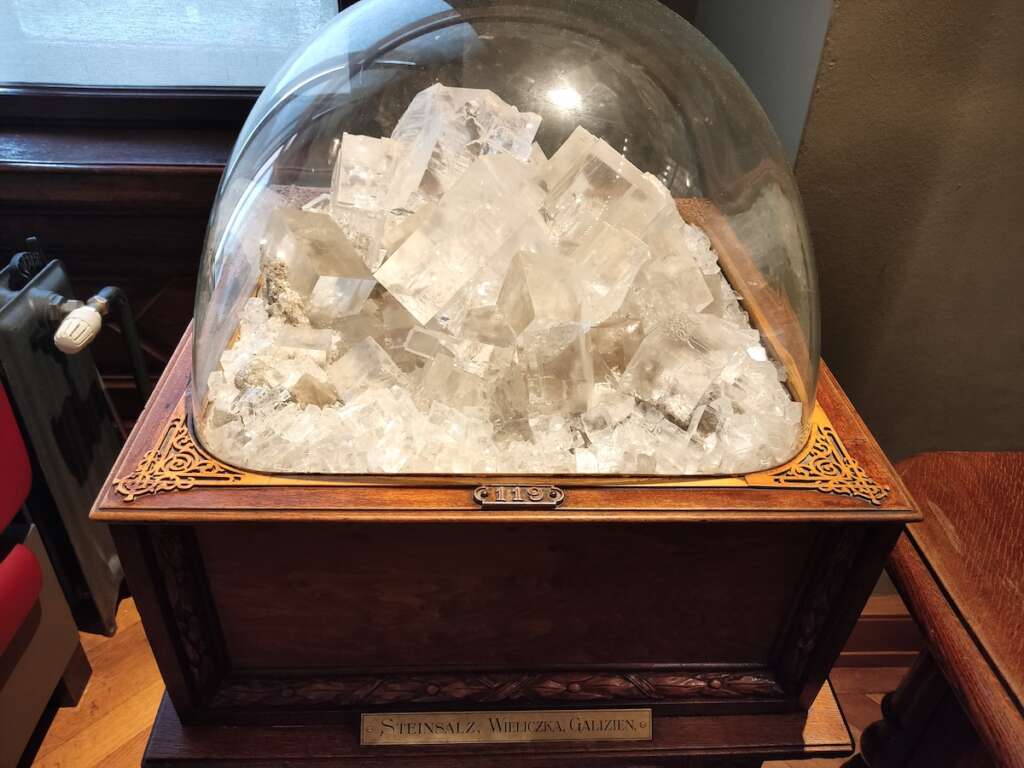
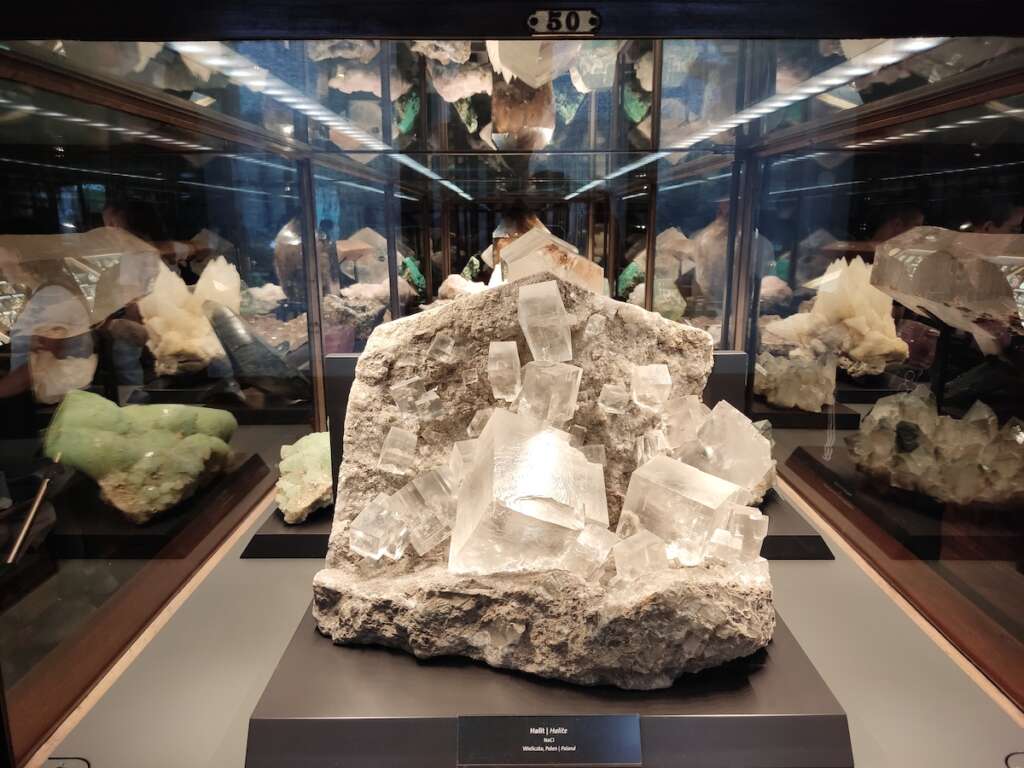
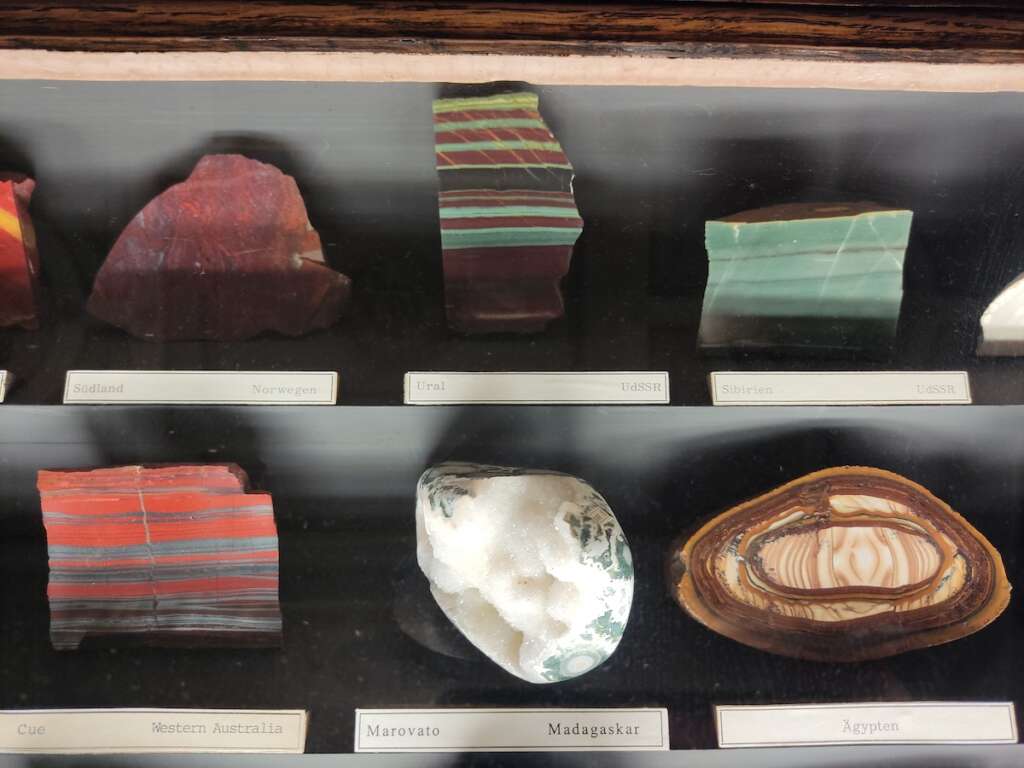
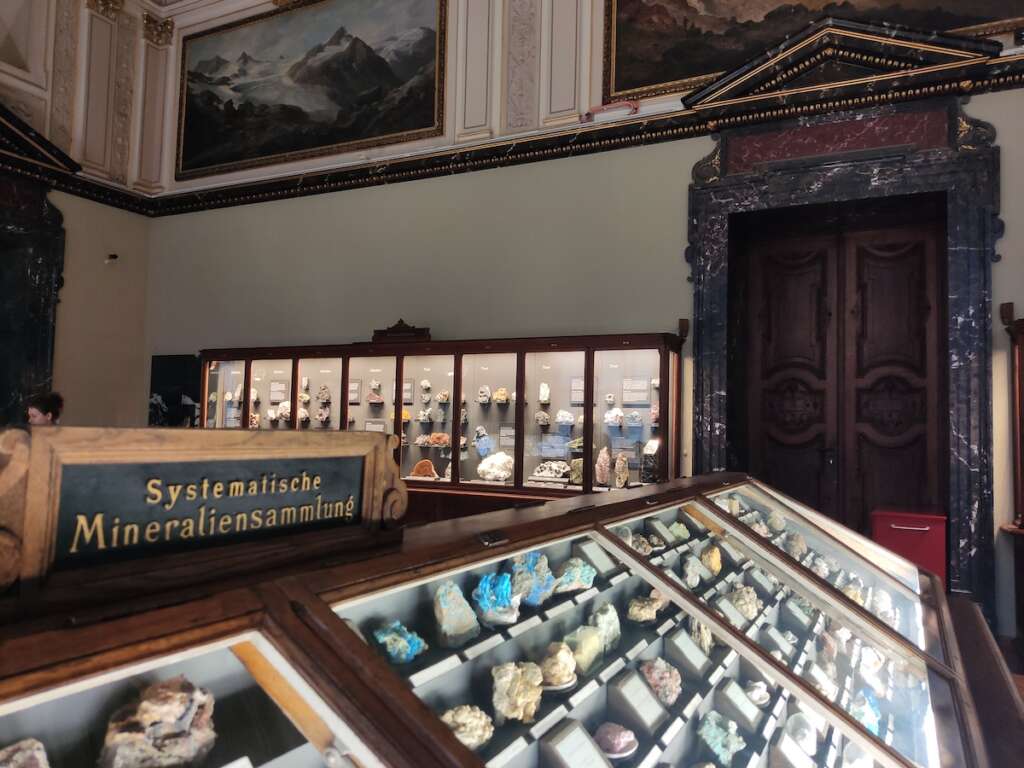
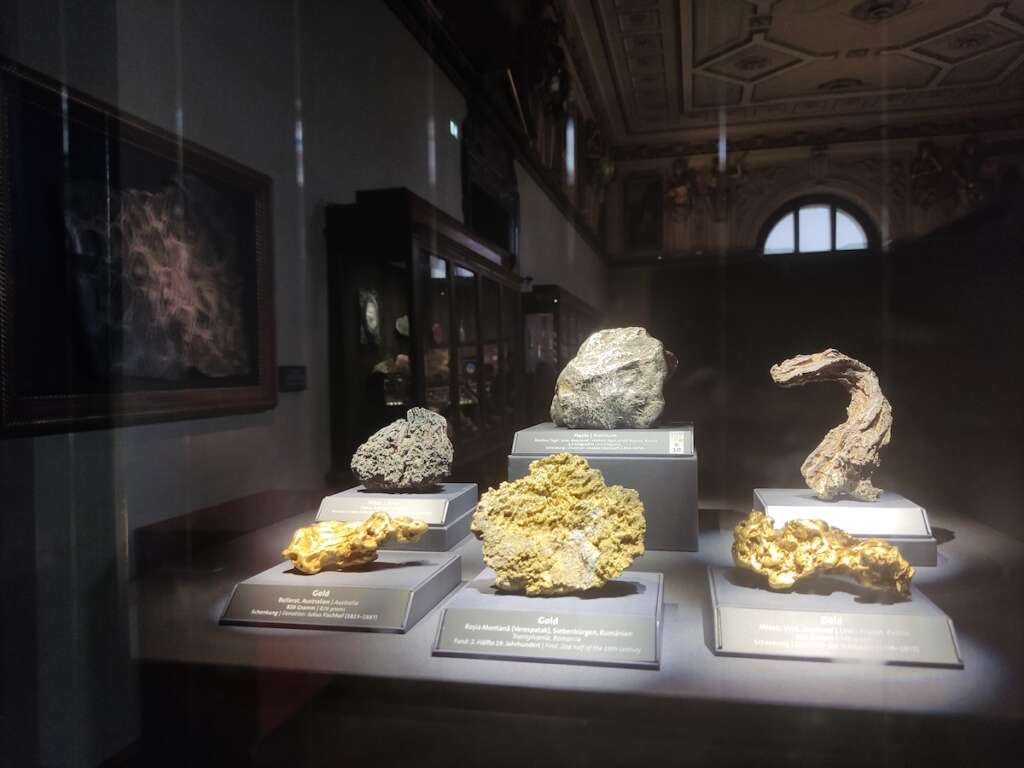
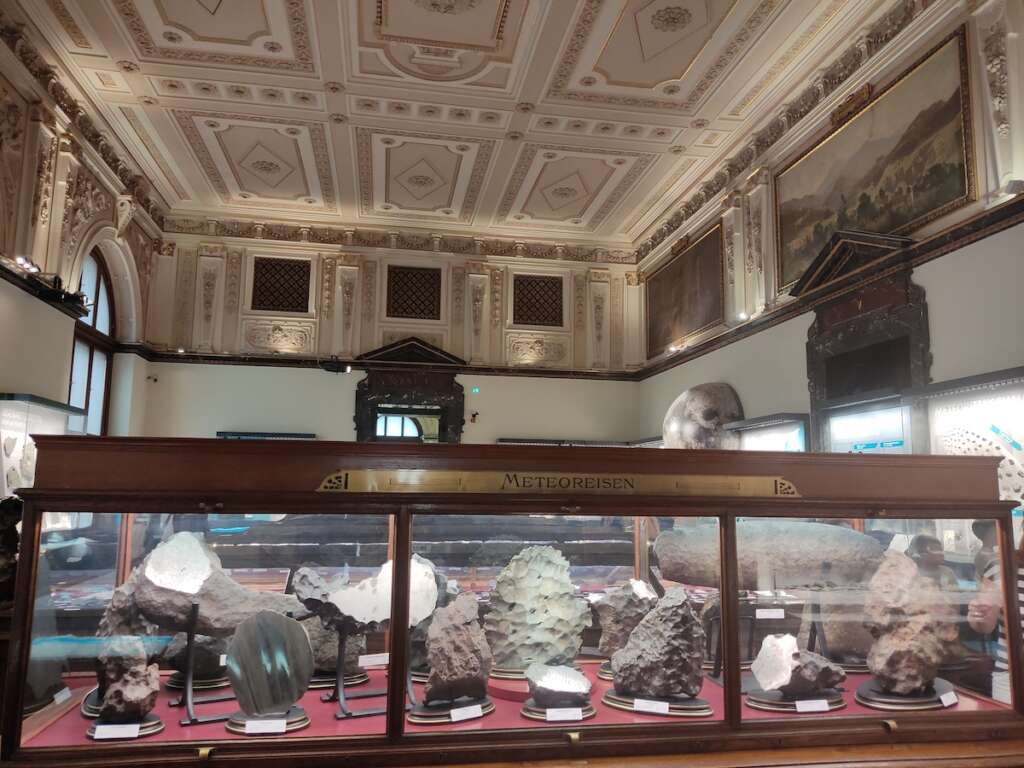
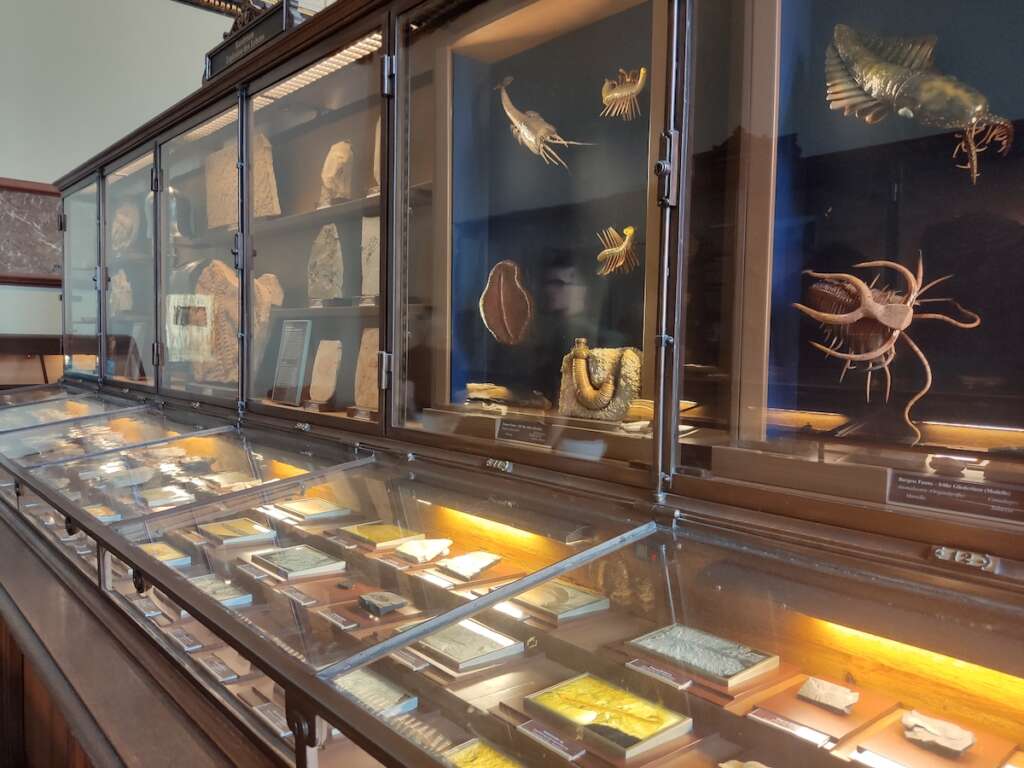
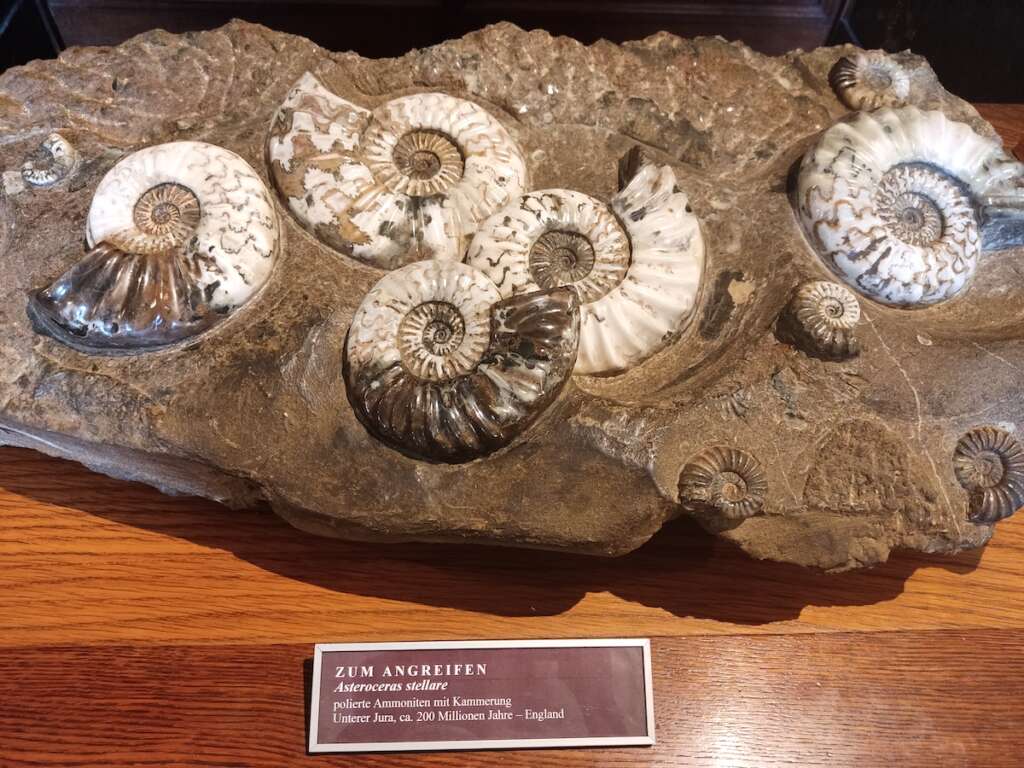
This is the kingdom of minerals, fossils, and dinosaurs. In rooms 1 to 16, you will find everything related to geology and minerals, including gigantic world-class crystals and a collection of gemstones. A true highlight is the world’s largest meteorite collection, including a fragment of the famous Tissint meteorite from Mars.
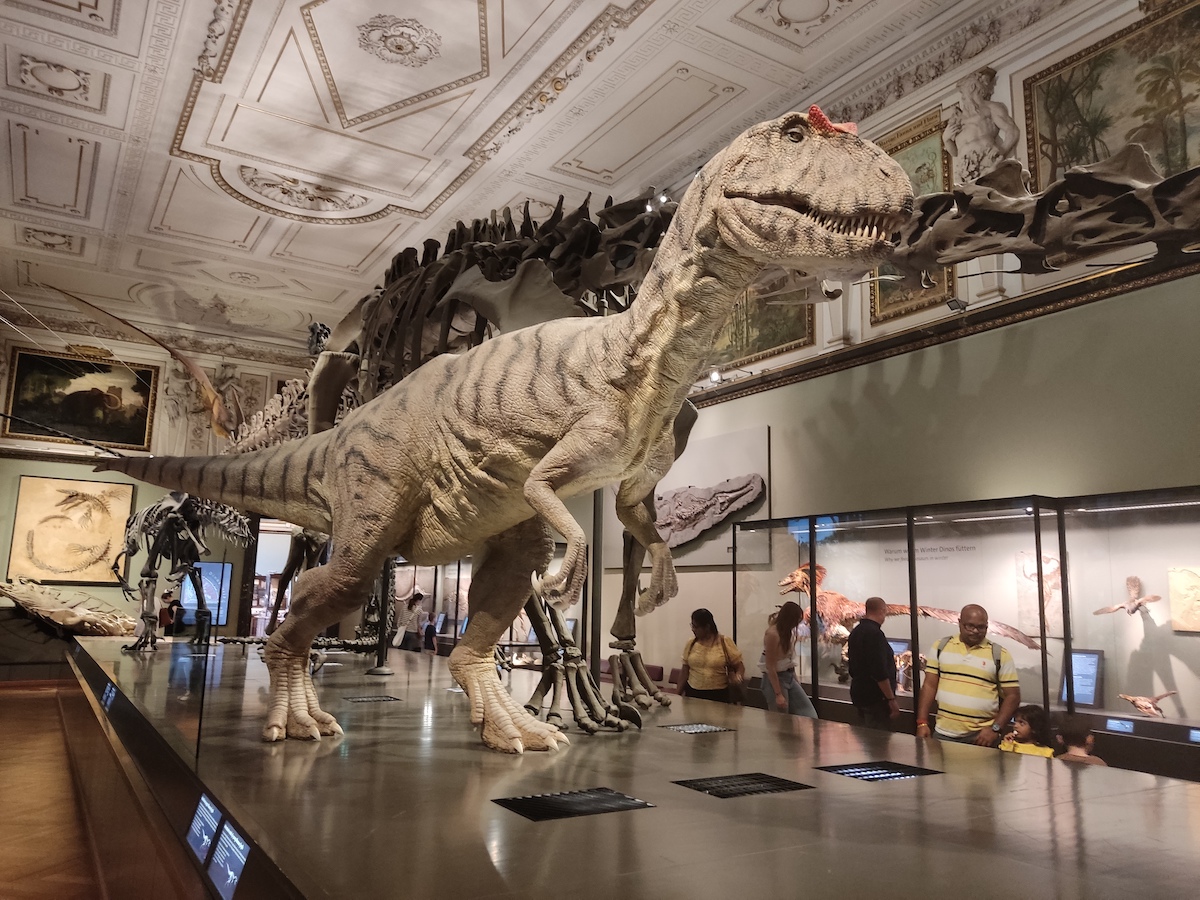
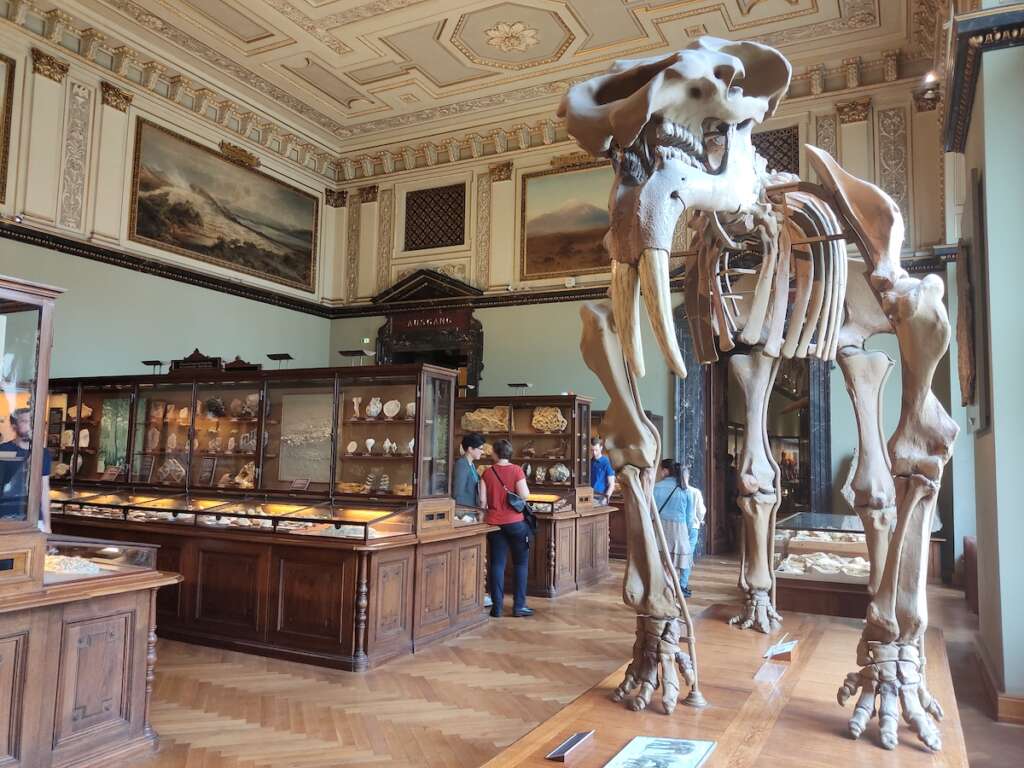
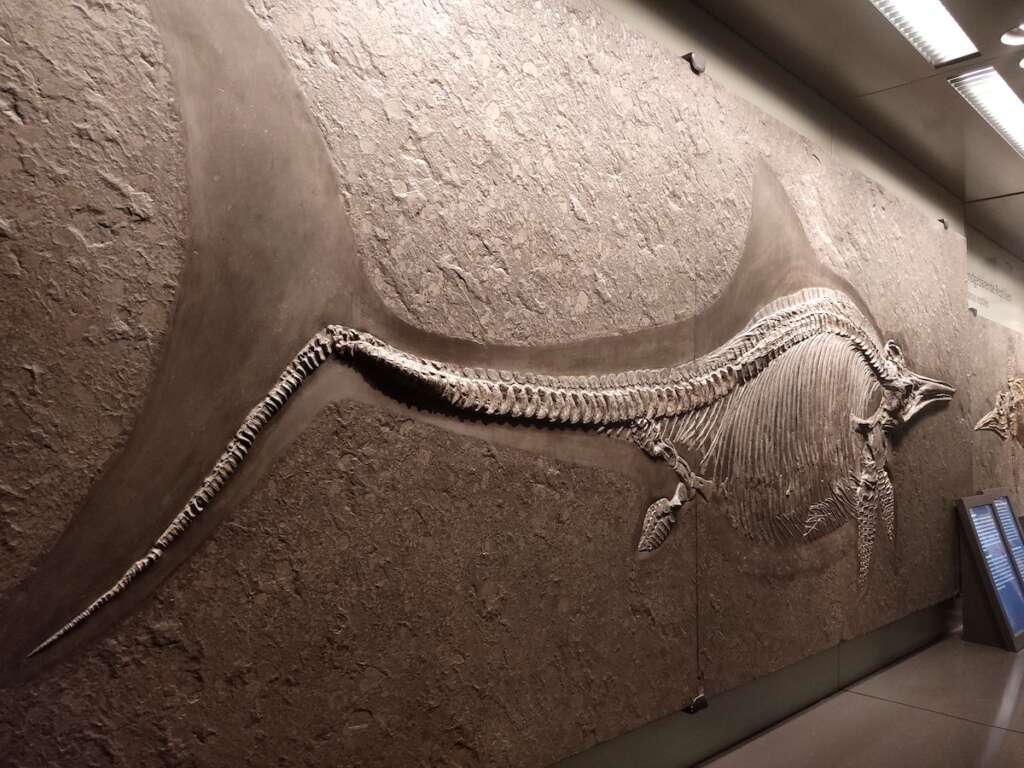
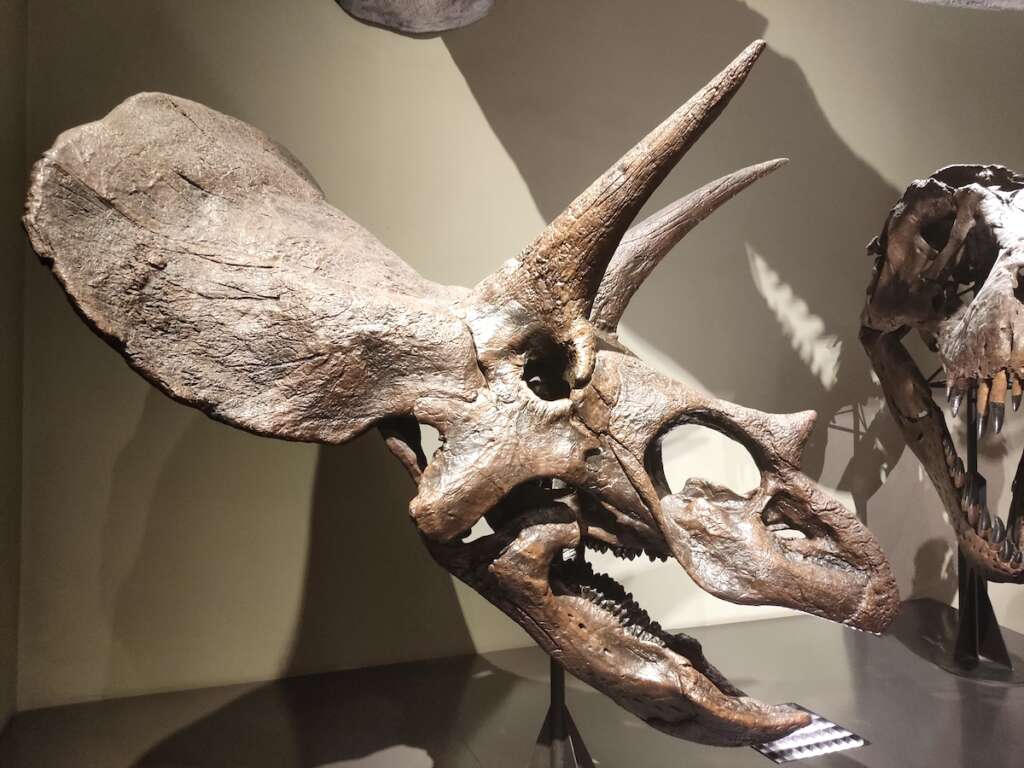
The biggest attraction on the ground floor is the dinosaur hall. Here, a reconstructed 27-meter-long Diplodocus skeleton dominates the space and impresses visitors of all ages. You will also find other fascinating fossils, such as the skeleton of the prehistoric elephant Prodeinotherium, as well as moving dinosaur models that can surprise even adults. The Vienna museum is known for combining knowledge with entertainment in an accessible way.
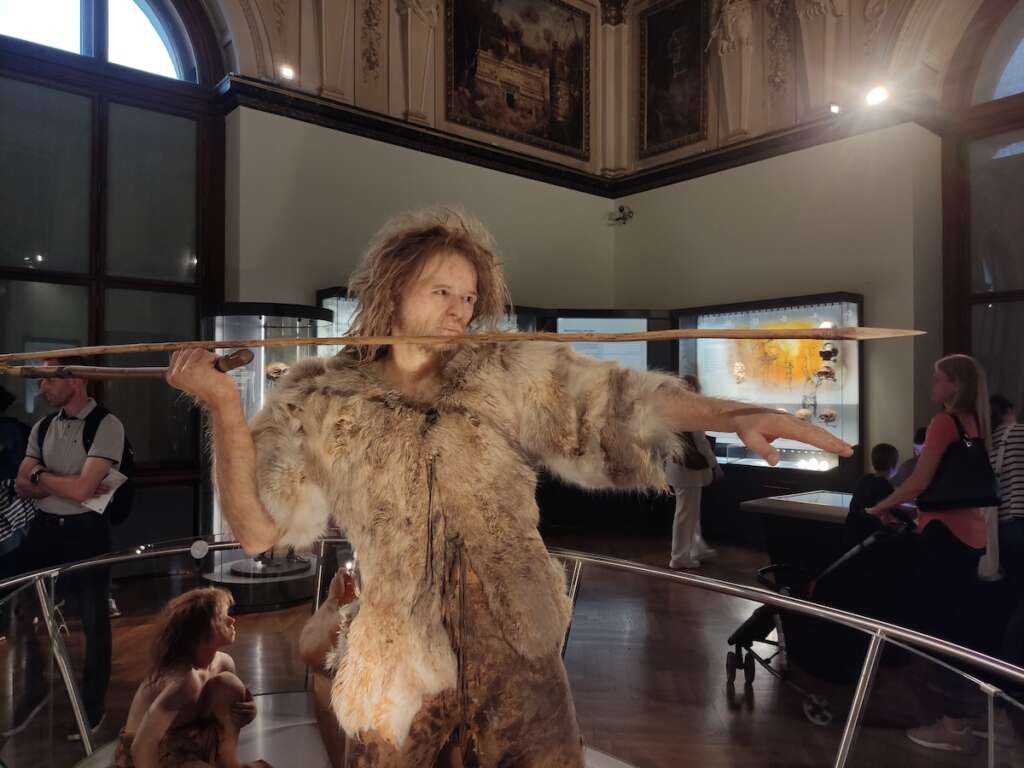
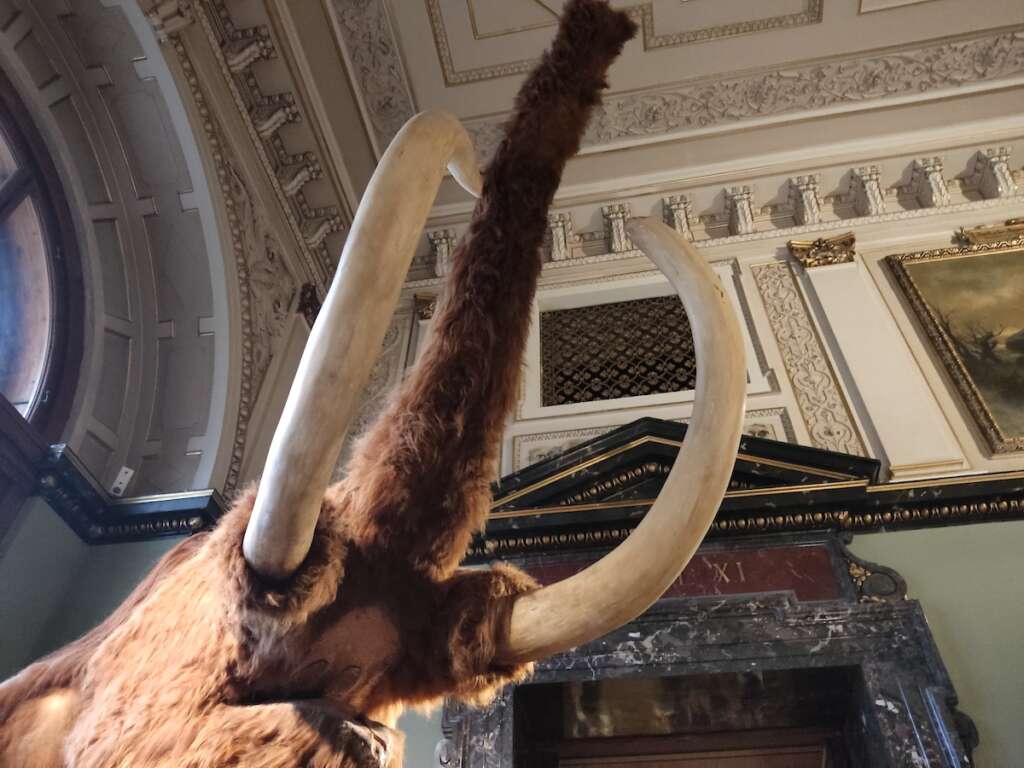
The final rooms on the ground floor are dedicated to anthropology and the Ice Age. In Room 11, you can see unique prehistoric finds, including one of the oldest and most valuable exhibits — the Venus of Willendorf, a small Paleolithic figurine approximately 29,500 years old.
First Floor
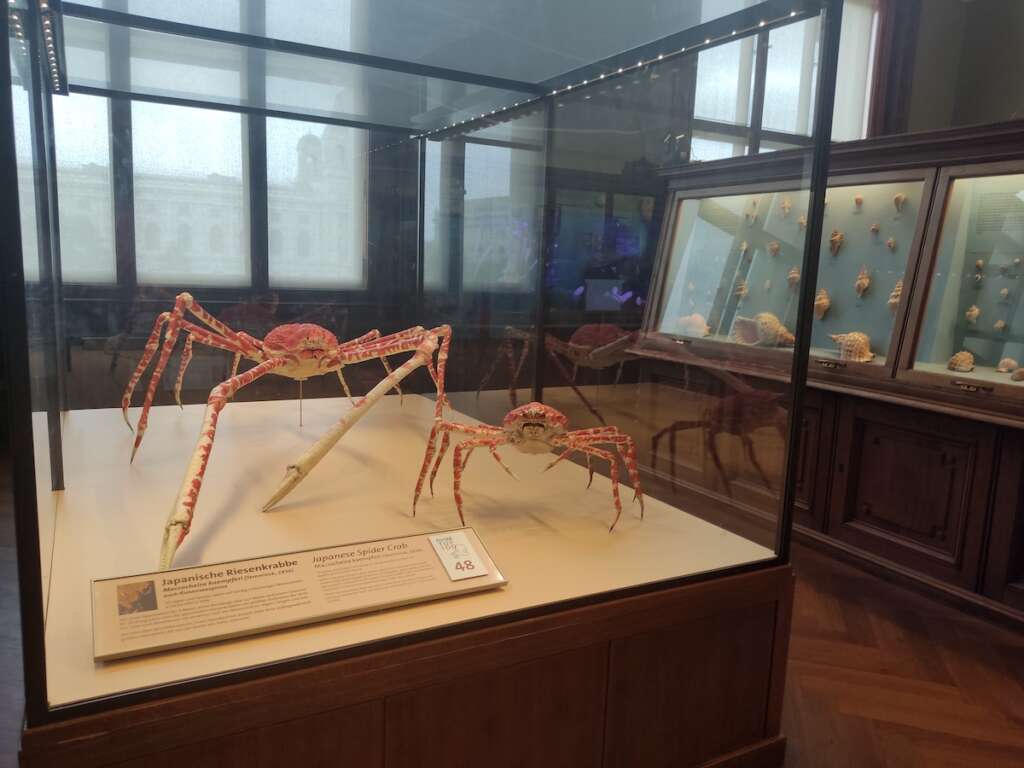
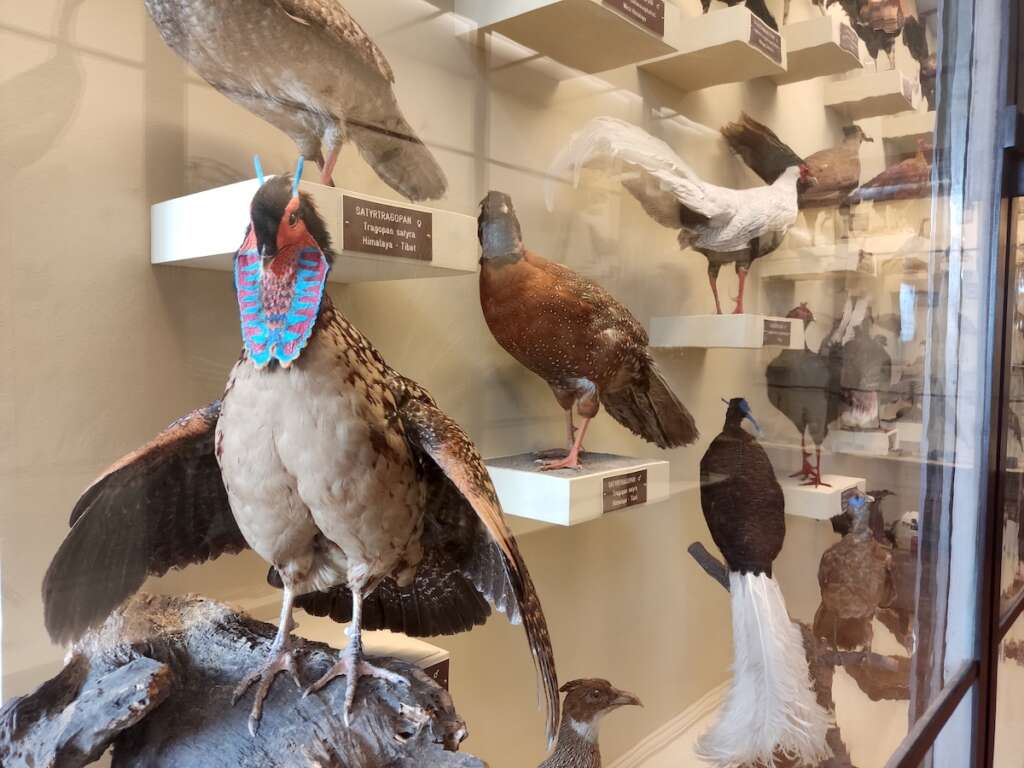
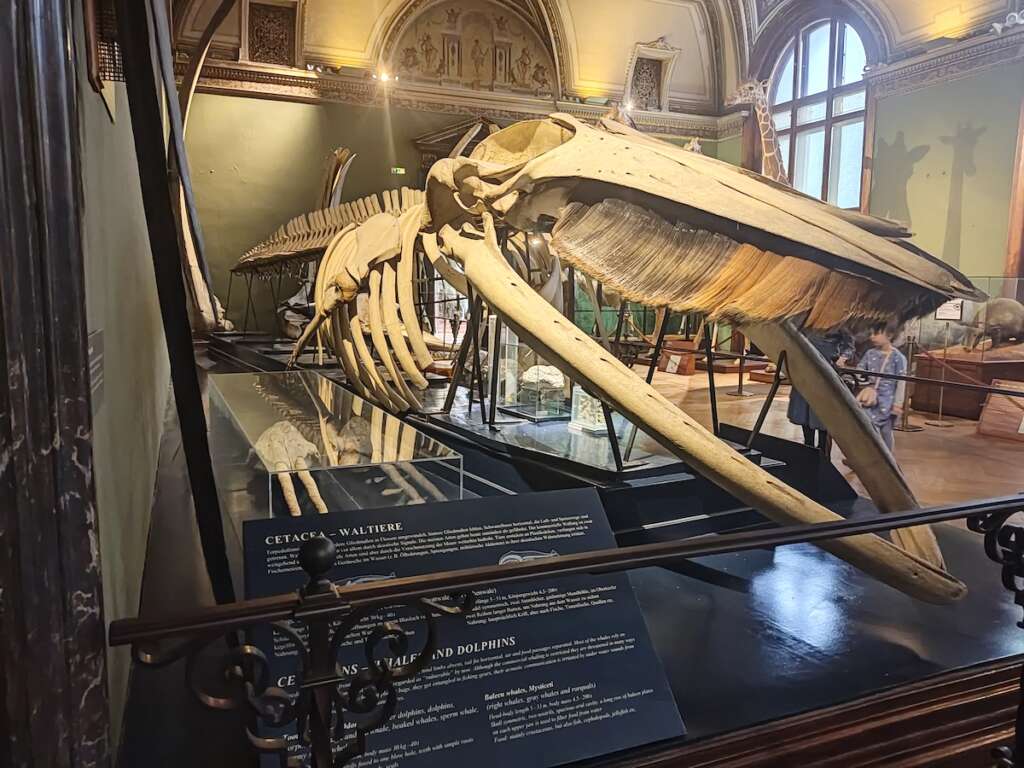
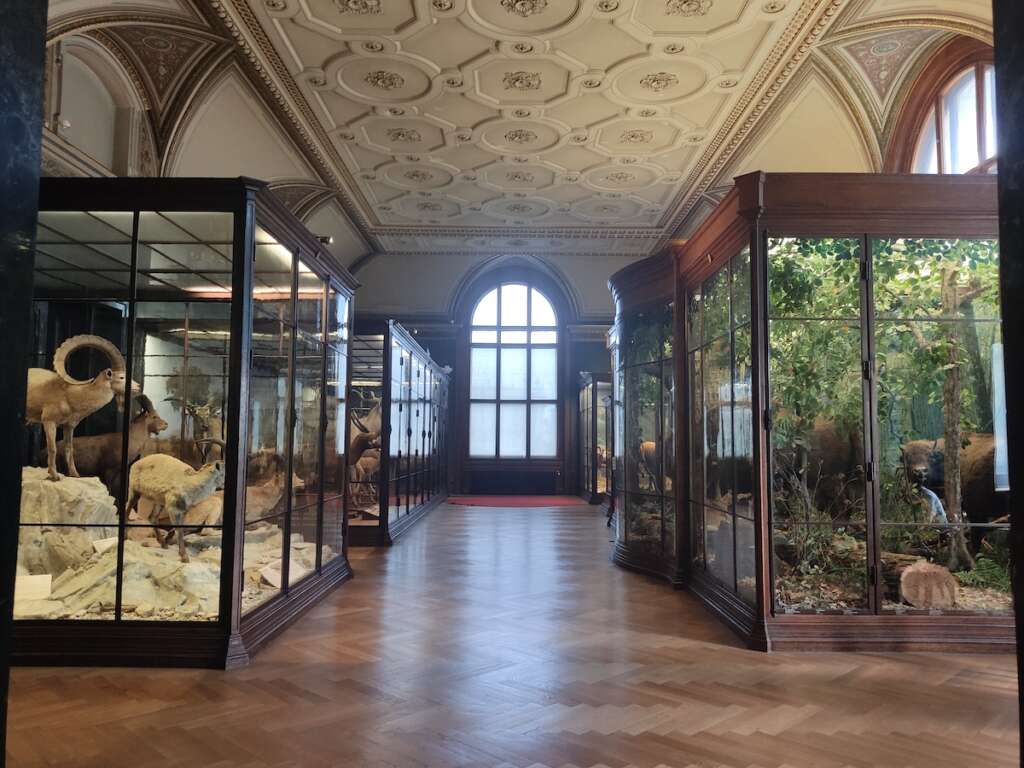
Going upstairs, you enter the world of zoology. Rooms 21 to 39 are dedicated to various animal species, both aquatic and terrestrial. You will find a rich collection of specimens, from insects and birds to mammals.
In Room 36, you will encounter the previously mentioned Polish accent — an exhibition dedicated to the Białowieża Forest and European bison. The exhibition aims to present this unique ecosystem of global importance. I was very positively surprised by this detailed and immersive display showcasing the extraordinary nature of Europe’s last primeval forest. It highlights the importance of protecting the European bison from extinction and the international significance of this forest.
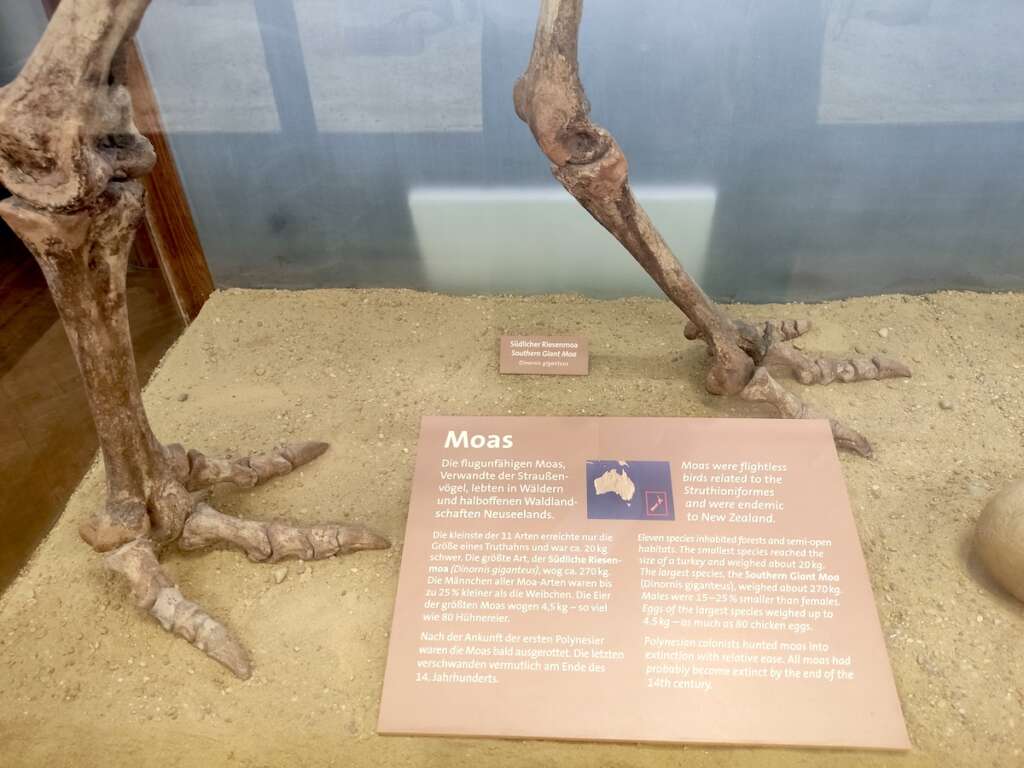
The zoological exhibitions are based on preserved and taxidermied animals. This can be controversial, and I admit that some specimens made me feel slightly uncomfortable. I moved through the rooms with contemporary animals the fastest. However, I recognize the immense educational value of such exhibitions. Among the exhibits are specimens of extinct animals such as the dodo, moa, and the zebra subspecies known as the quagga.
Second Floor
Here you will find “Deck 50” — an experimental space where various meetings, workshops, and events are organized.
A detailed floor plan of all exhibition rooms is available on the museum’s website.
Is It Worth Visiting the Natural History Museum in Vienna?
I must admit that I visited this extraordinary place only during my second trip to Vienna — and I regret not seeing it earlier. I believe that even multiple visits would not be enough to fully explore it. The museum seems ideal for focusing on a specific topic during each visit and diving deeper into a particular field of interest.
I have absolutely no doubt that it is a must-see during any visit to Austria’s capital. Everyone should experience it for its historical character as well as its scientific and educational value.
Just remember the most important things — wear your most comfortable shoes, pack a bottle of water, bring a power bank, and make sure you have plenty of storage space on your phone for photos. Unforgettable experiences are guaranteed for everyone!