


Share This Article
Włocławek is often overlooked on Poland’s tourist map, although it hides many treasures worth discovering. This city on the Vistula River, with a history dating back to the 9th century, surprises visitors with its monuments, greenery, and distinctive atmosphere. It is an interesting destination for a weekend getaway.
Here, nature and culture meet, and the city’s space encourages walking, relaxation, and inspiration. It is also an excellent base for further trips – to the area around the Włocławek Reservoir, the Kulin Nature Reserve, or nearby Bydgoszcz and Toruń. In just a few dozen hours, you can feel the spirit of Kuyavia, learn about the region’s history, and recharge your energy for the rest of your journey.
I visited Włocławek as part of a study visit, at the invitation of the Włocławek City Hall.
Location and Getting There
Włocławek is located in central Poland (not far from the municipality of Piątek, for many years considered the geometric center of Poland), in the Kuyavian-Pomeranian Voivodeship, roughly halfway between Toruń and Łódź.
Its convenient location on the Vistula River and along major routes makes it very easy to reach. By car, you can take the A1 motorway (Łódź–Toruń), exiting toward Włocławek from the direction of Ciechocinek or Krośniewice. My drive from Kielce took just over three hours. Cyclists also have easy access – the city lies along the Vistula cycling route, with paths leading both to the left bank and toward the Włocławek Reservoir.
Those using public transport can take advantage of PKP rail connections – Włocławek railway station is located close to the city center. Trains from cities such as Toruń, Bydgoszcz, Łódź, and Warsaw stop here frequently. Regional buses and city public transport also make sightseeing convenient – the center and popular attractions are well connected.
Accommodation
Włocławek offers several types of accommodation – from elegant hotels and historic palaces to budget rooms and apartments. In the city center, you will find Riverside, Victoria, and Pałac Bursztynowy hotels — each distinguished by unique décor, proximity to attractions, and good reviews. For those who enjoy a homely atmosphere, I recommend apartments and private guest rooms.
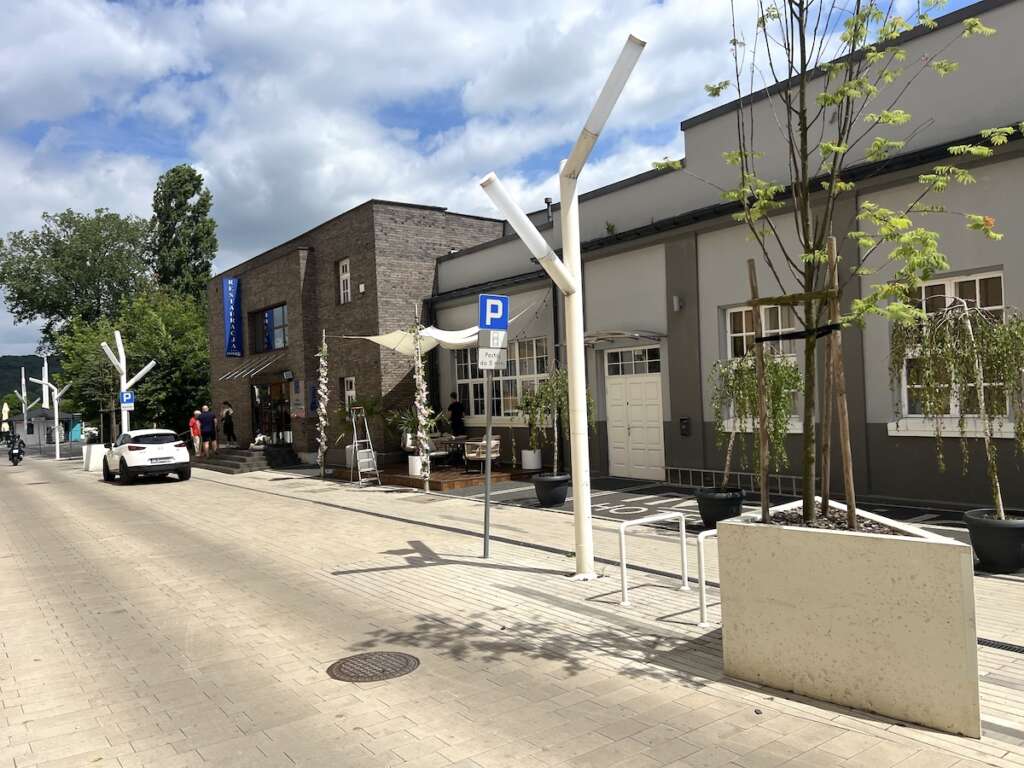
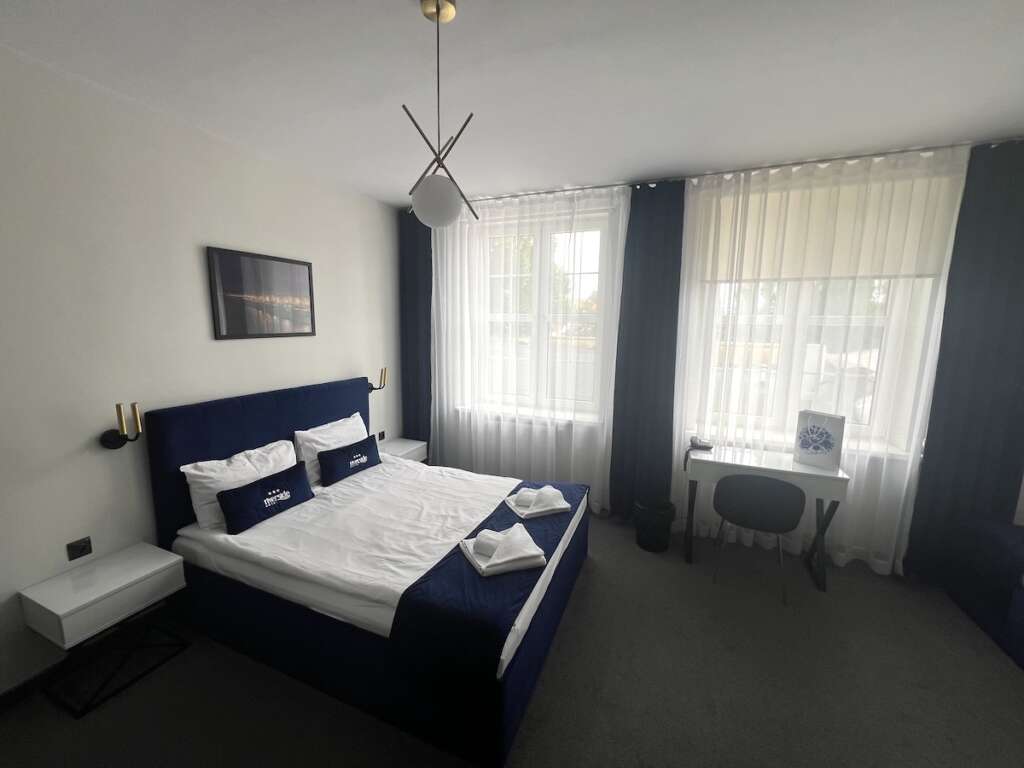
An interesting option is Pałac Bursztynowy – it offers accommodation in a contemporary, palace-style building with a garden, fountain, and artistic interiors. I had the opportunity to spend the weekend at the Riverside Hotel. It is located right next to the Vistula marina and boulevards. Nearby, the Zgłowiączka River flows into the Vistula. The hotel offers a high standard and tasty meals, and it is housed in the former, restored headquarters of the Włocławek Rowing Society.
For business travelers or weekend visitors, Włocławek provides comfortable conditions: centrally located hotels, parking facilities, internet access, and often breakfast included in the price. Regardless of your needs, the city can satisfy both budget-conscious and more refined expectations.
Cuisine
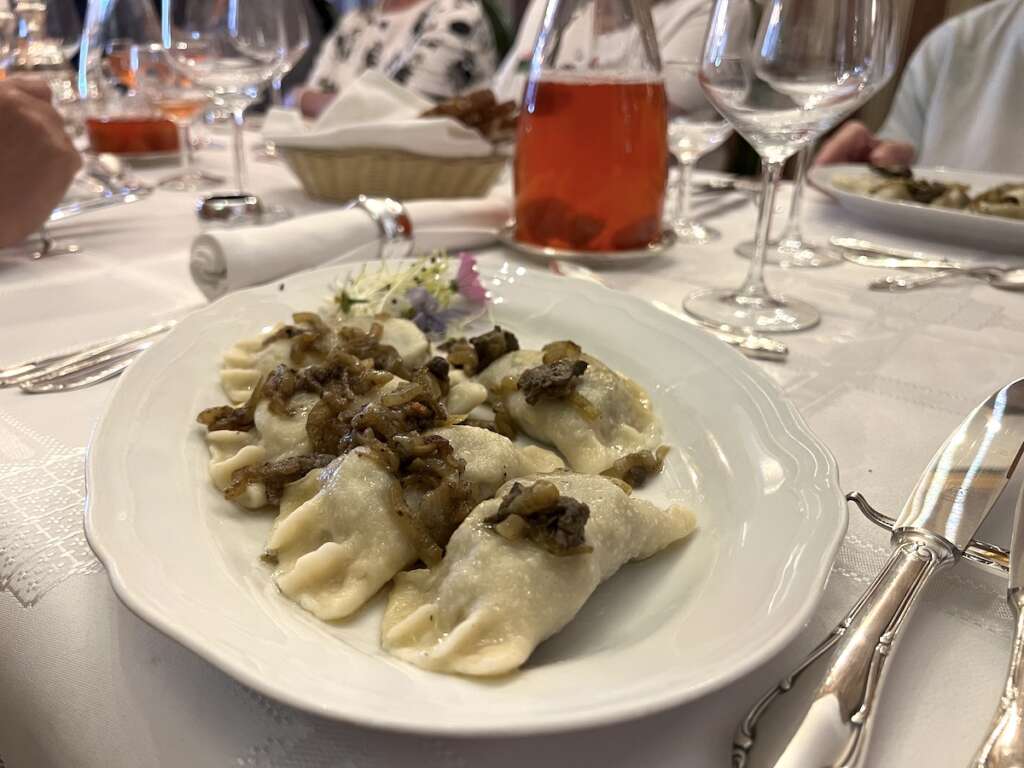
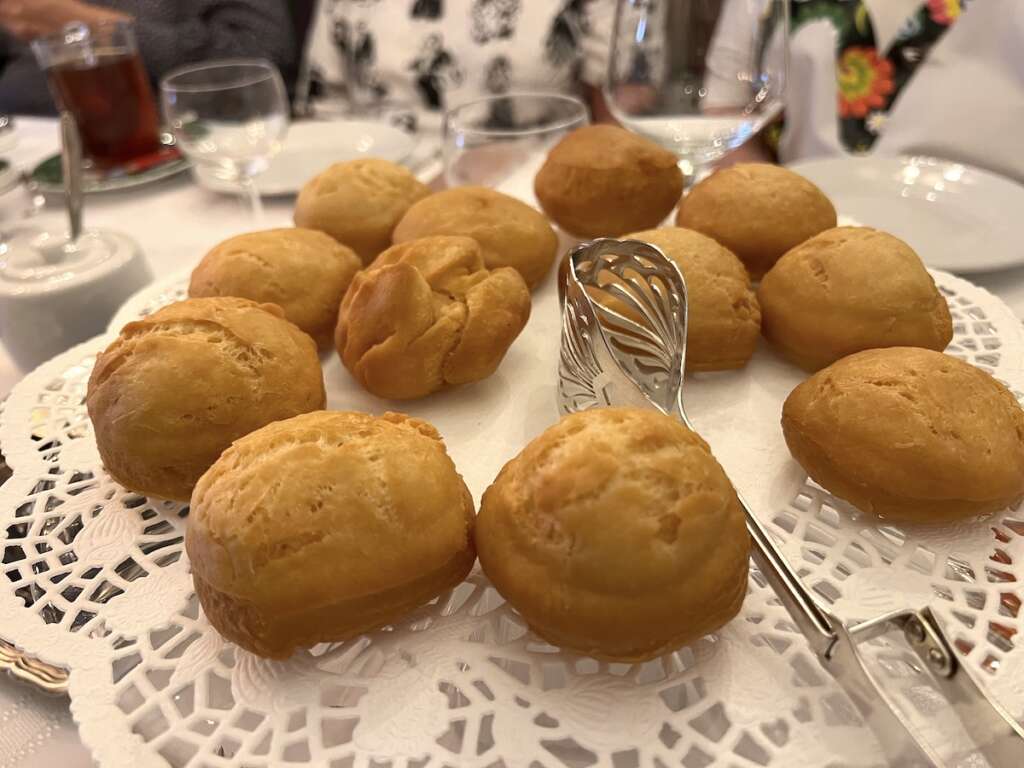
Kuyavia is a region with rich culinary traditions – and Włocławek is no exception. Local restaurants serve regional, homemade, and seasonal dishes. On the menu, you will find freshly smoked fish, Kuyavian dumplings, and soups with aromatic noodles. It is definitely worth trying the classic sour rye soup (żurek) served in a bread bowl. For dessert? Be sure to choose apple pie made from local apples or yeast cake with crumble topping – perfect with coffee.
Besides the classics, I also came across something truly unique – “ruchańce z fjutem” (also known as “ruchanki”). These are yeast pancakes served with Kuyavian sugar beet syrup, which is where the distinctive name comes from.
Restaurants often use local ingredients – vegetables from nearby farms, regional cheeses, and game meat. Of course, in the city center you will also find standard options such as pizza, Italian cuisine, or sushi.
In addition to the meals at the hotel where I stayed, we also visited Restauracja Impresja. Its elegant interior, top-level service, and exceptional cuisine make it a place I highly recommend.
It is also worth mentioning a product I knew even before arriving in the city — Włocławek Ketchup. Unfortunately, here comes a small disappointment: it is no longer produced in Włocławek, although its history was originally connected with the city.
What to See?
Włocławek offers plenty of attractions – both for lovers of history and for those who enjoy walking, architecture, or street art. Even a simple stroll through the city center can take you back in time. Tenement houses from the 19th and early 20th centuries, stylish courtyards, and squares reveal the city’s rich past.
Start at Freedom Square (Plac Wolności) – the heart of the city, lined with neoclassical townhouses and cafés. Nearby stands the Cathedral of the Assumption of the Blessed Virgin Mary. It is also worth taking a walk along 3 Maja Street.
One of the city’s main attractions is the Marshal Józef Piłsudski Boulevards along the Vistula- a revitalized promenade filled with greenery, benches, and viewpoints. From here, it is just a short distance to the water barrage and the impressive dam on the Vistula. On the other side of the city, you will find Słodowo Park, perfect for a picnic.
Your must-see list should also include the Faience Treasury (Skarbiec Fajansu), the Museum of the History of Włocławek, and the Browar B Cultural Centre. The city also features modern murals, unique viewpoints, and memorial sites dedicated to important figures, including Blessed Father Jerzy Popiełuszko.
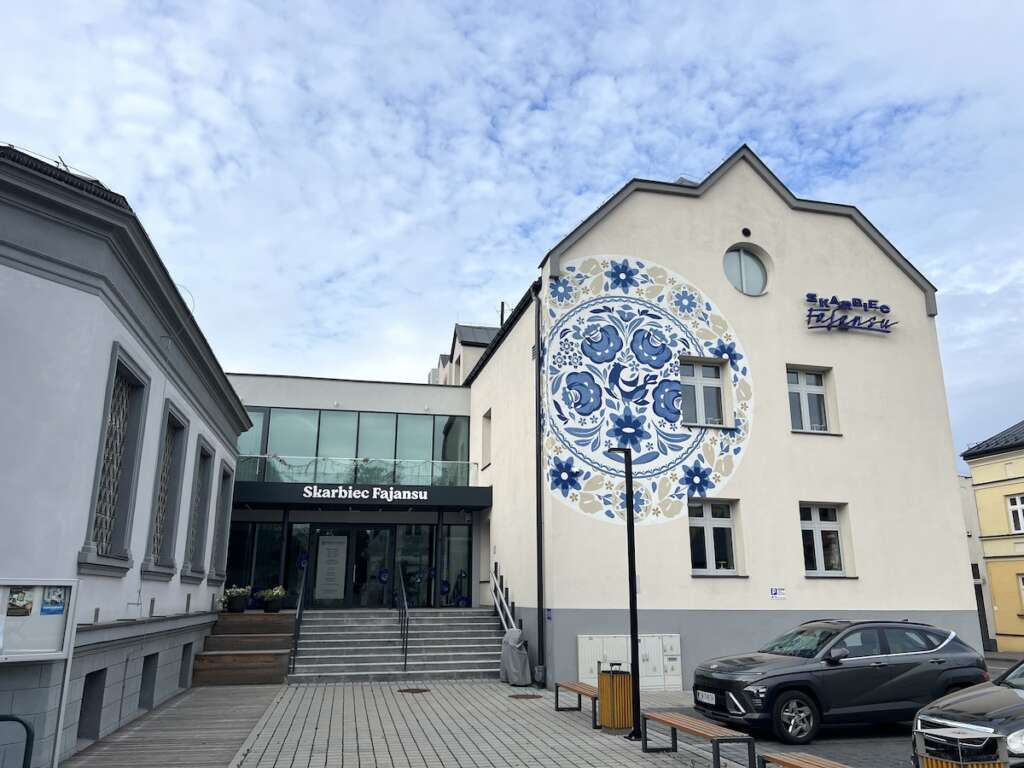
Faience Treasury (Skarbiec Fajansu)
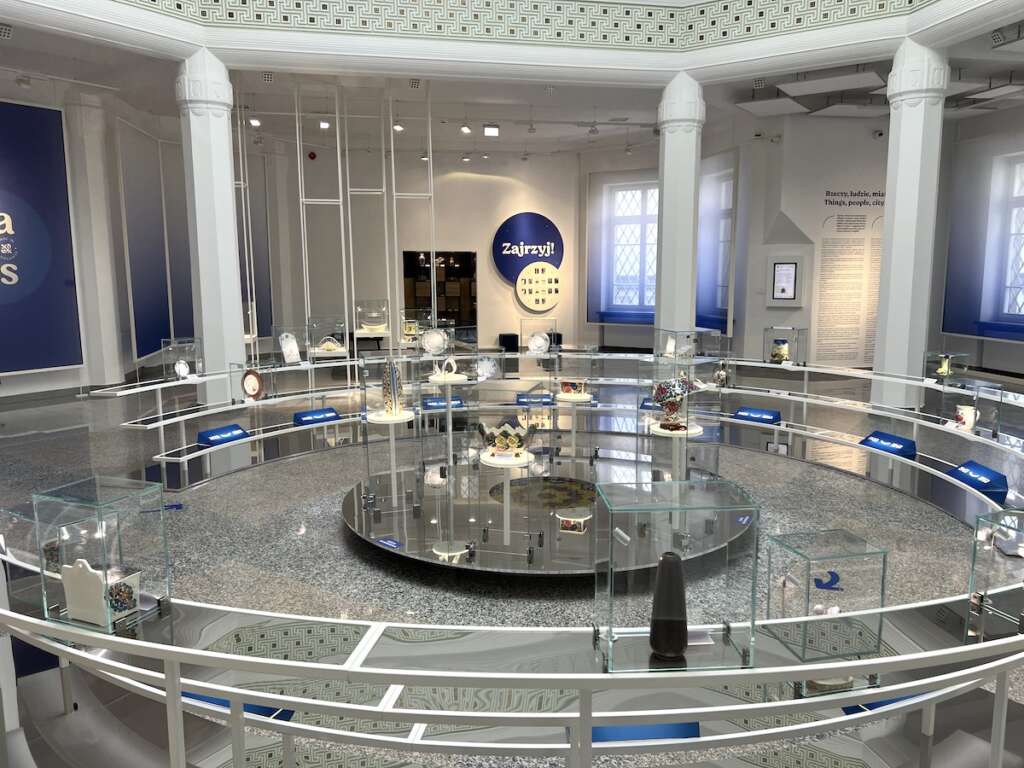
For decades, Włocławek was the capital of Polish faience – ceramics that captured the hearts of thousands of Poles. These traditions date back to the 19th century, and the unique designs, often floral, are truly one of a kind. The Faience Treasury is a place where you can not only admire the exhibits but also learn about the history of this applied art.
The collection includes dozens of unique plates, vases, jugs, figurines, and tiles – all hand-painted, featuring characteristic shades of blue and floral motifs. The exhibition is arranged to showcase the development of techniques and styles — from classic designs to patterns from the communist-era PRL period.
Additional attractions include ceramic decorating workshops, a shop offering works by local artists, and temporary exhibitions. The Treasury is located in the city center, and its interiors have a charming atmosphere of their own. More information about its activities can be found on its official website.
It is a must-visit for anyone who appreciates applied art, design, and history with soul. Special educational paths have been prepared for children, while adults will be delighted by childhood memories – after all, many of us once had at least one “Włocławek” plate at home.
Museum of the Kuyavian and Dobrzyń Land
The Museum of the Kuyavian and Dobrzyń Land is the largest museum in the region, with several branches spread across Włocławek. Its main headquarters is located in a beautiful modernist building on Słowackiego Street – the building itself impresses with its style and architectural details.
The museum houses rich archaeological, ethnographic, historical, and artistic collections. The permanent exhibitions tell the story of the former inhabitants of Kuyavia and the Dobrzyń Land – their customs, craftsmanship, and everyday life. A special place is devoted to exhibitions dedicated to local folk artists, traditional paper cuttings, costumes, and music.
Temporary exhibitions are also worth attention – ranging from contemporary art and photography to numismatic collections and military artifacts. The museum runs an extensive educational program as well: museum lessons, workshops for children, and themed walks. You can easily spend several hours here without feeling bored for a moment.
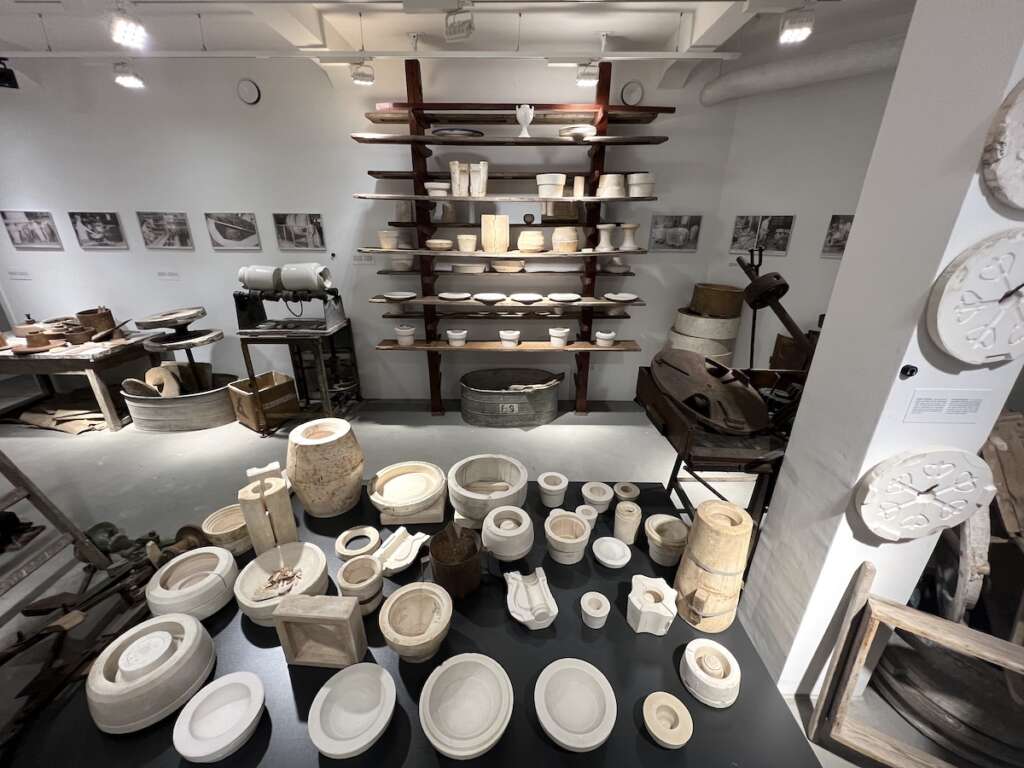
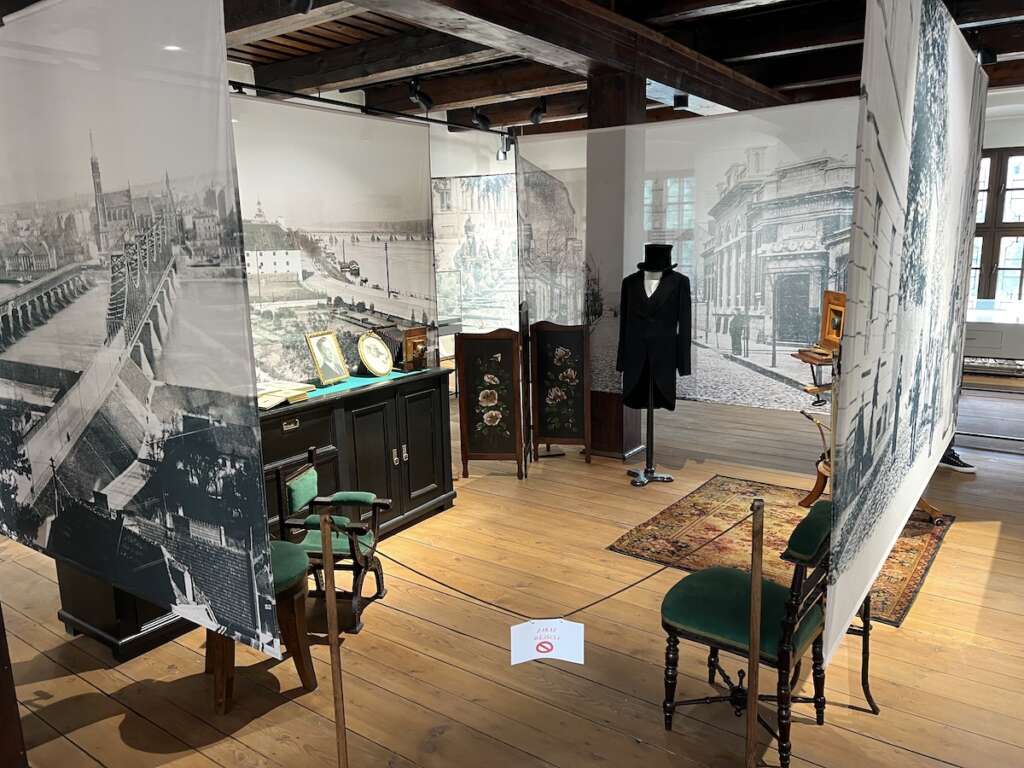
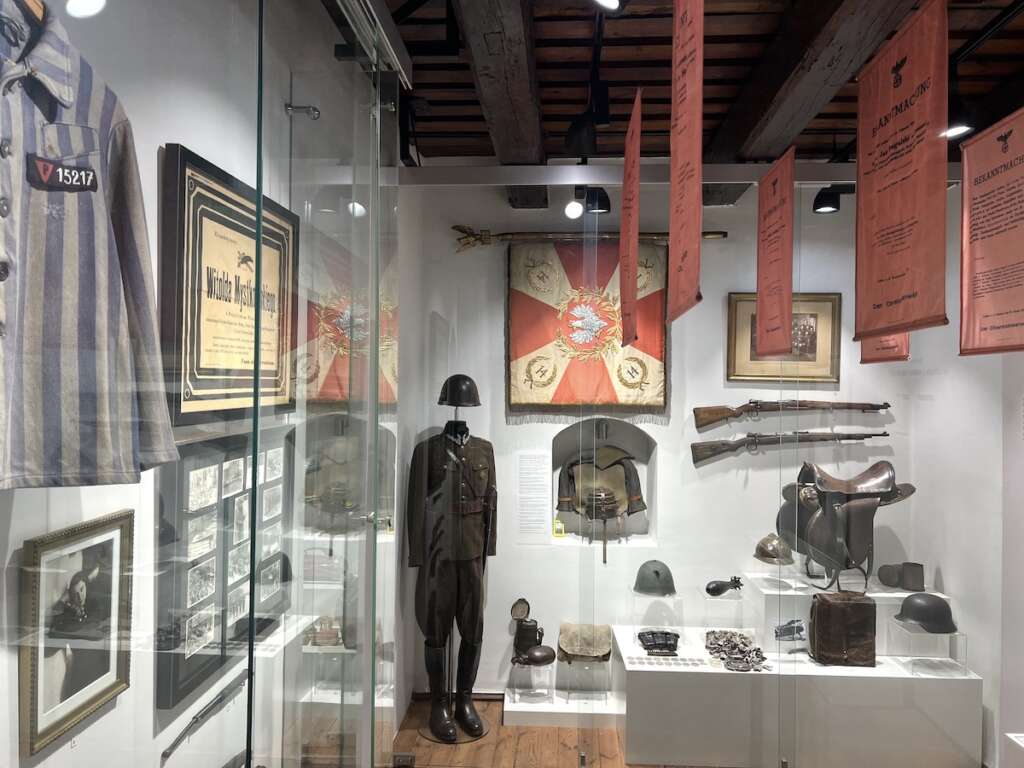
I had the opportunity to visit the Museum of the History of Włocławek, located at 19 Szpichlerna Street. It is housed in three historic townhouses in the very heart of the old town – by the Old Market Square. Two 18th-century Baroque townhouses and one 19th-century building, after thorough renovation, have served since 1972 as exhibition and storage space for valuable collections related to the history of Włocławek, Kuyavia, and the Dobrzyń Land.
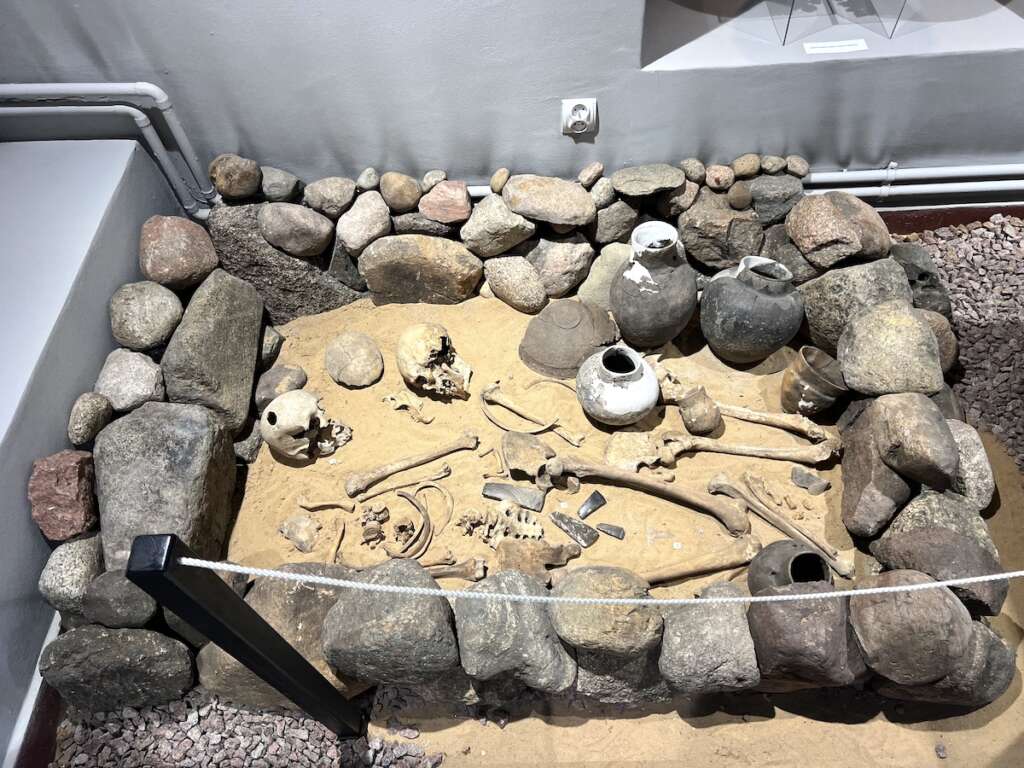
In modern, thematically organized interiors, visitors are taken on a fascinating journey from prehistory to the end of the communist-era PRL period. The exhibition includes nine display spaces, from archaeology to the history of the city, with a strong focus on local and regional events. Visitors can admire numerous artifacts, including finds from fortified settlements, weapons, ceramics, jewelry, coins, as well as reconstructions of historical events and visualizations of medieval Włocławek. It is a place where history comes alive in an accessible, engaging, and passionate way.
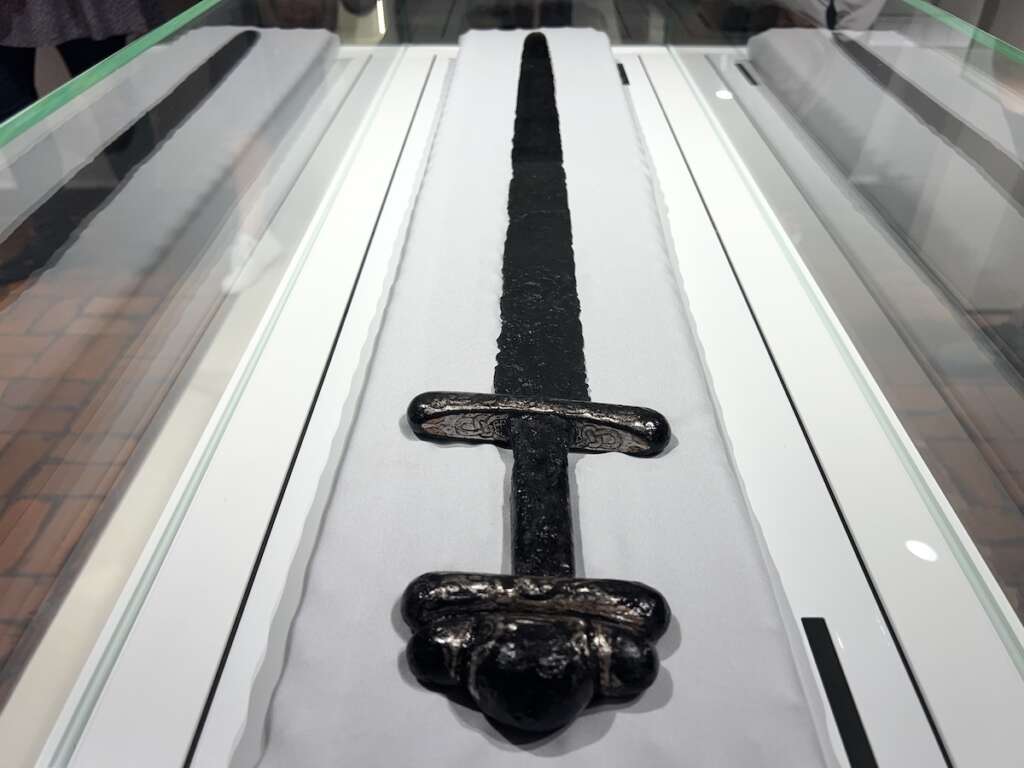
One of the most intriguing exhibits is a sword that many attribute to the Vikings. It was discovered during dredging works near Piwna Street. It most likely dates back to the 9th century and, after conservation, is now presented as part of the exhibition (second photo).
Cathedral Basilica of the Assumption of the Blessed Virgin Mary
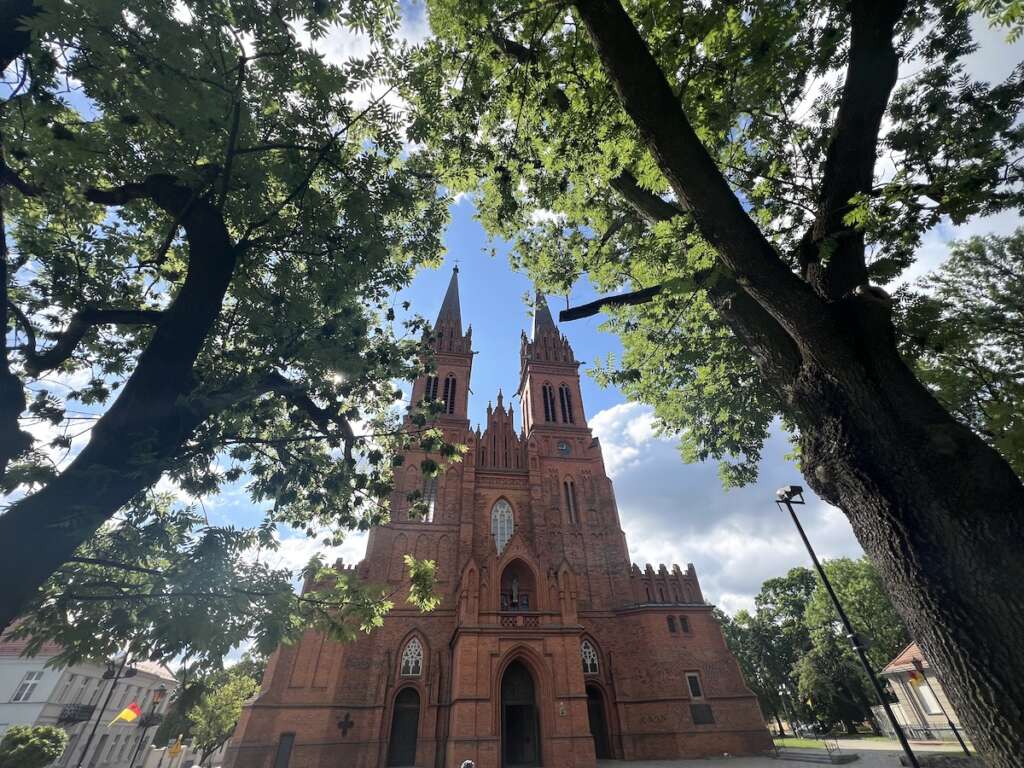
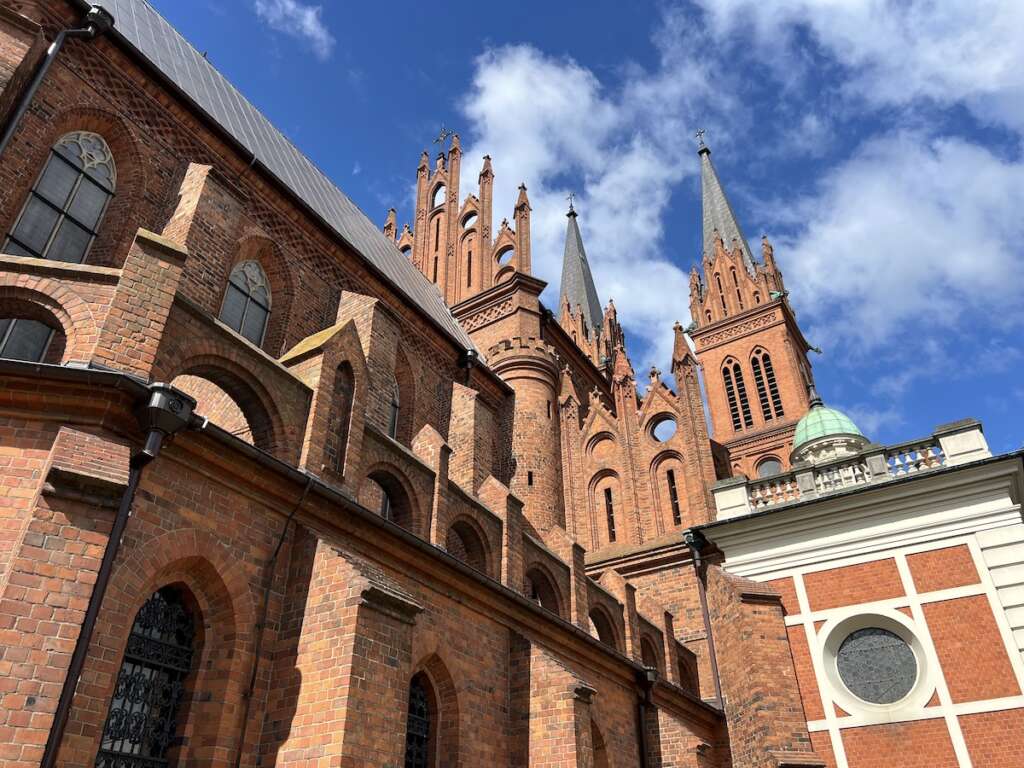
Towering over the city, the cathedral is one of the oldest and most important monuments of Włocławek. Its soaring towers can be seen from afar – especially from the boulevards or the opposite bank of the Vistula. The church was built in the 14th century, but its history goes back even further – as early as the 12th century, a wooden church stood nearby, later replaced by a granite temple that was destroyed by the Teutonic Knights.
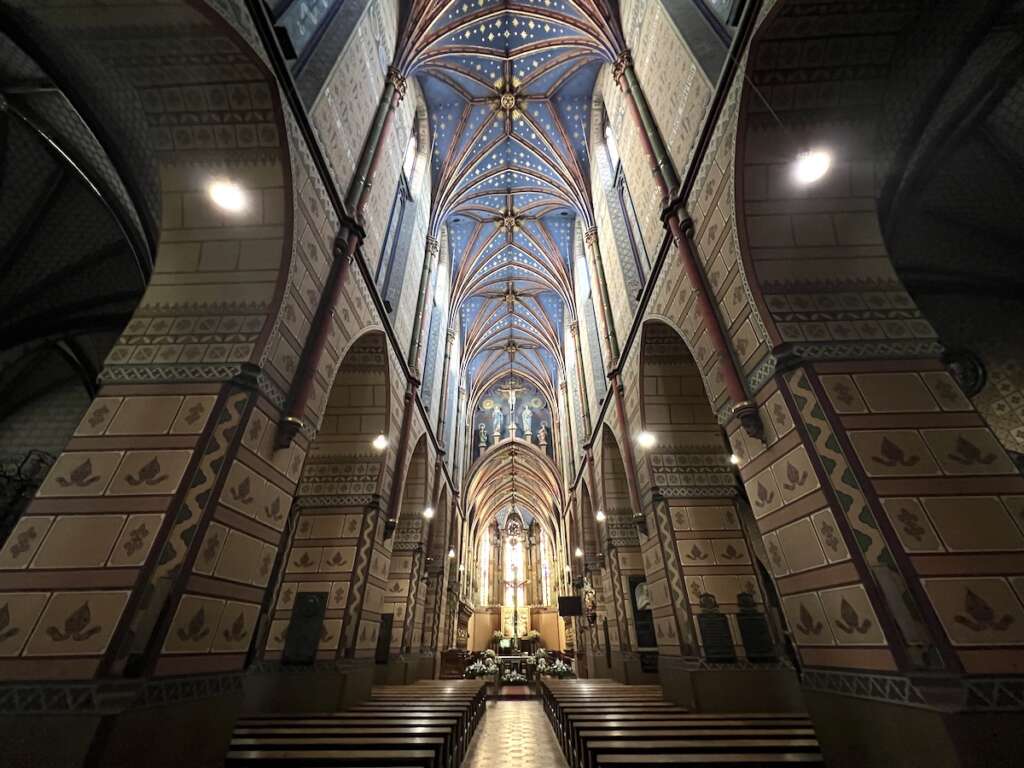
The cathedral’s interior impresses with its monumental space, beautiful stained-glass windows, and an imposing main altar. Special attention should be paid to the burial chapel of the bishops of Włocławek, which can be visited with a guide. Important diocesan and state ceremonies have taken place – and still take place here.
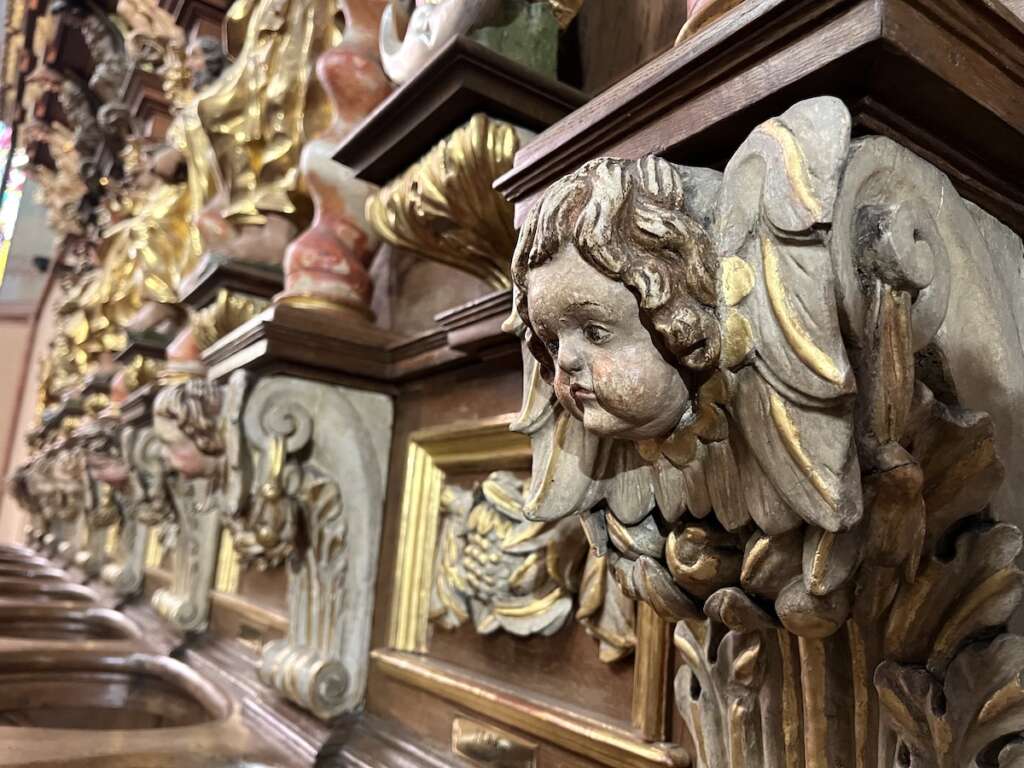
During your visit, take a closer look at the details: Gothic vaults, Baroque side altars, sculptures, and polychromes. Also notice the small decorative elements – gargoyles and door handles shaped like fish or mermaids. Next to the cathedral, there is a diocesan museum with valuable works of sacred art, both Gothic and modern.
The cathedral is not only a monument but also a living place of worship – regular services, organ concerts, and religious events are held here. Walking through its interiors is both a history lesson and a moment of contemplation, and for photography lovers, an opportunity to capture stunning shots. Just look up at the vault – it made a huge impression on me!
Parks
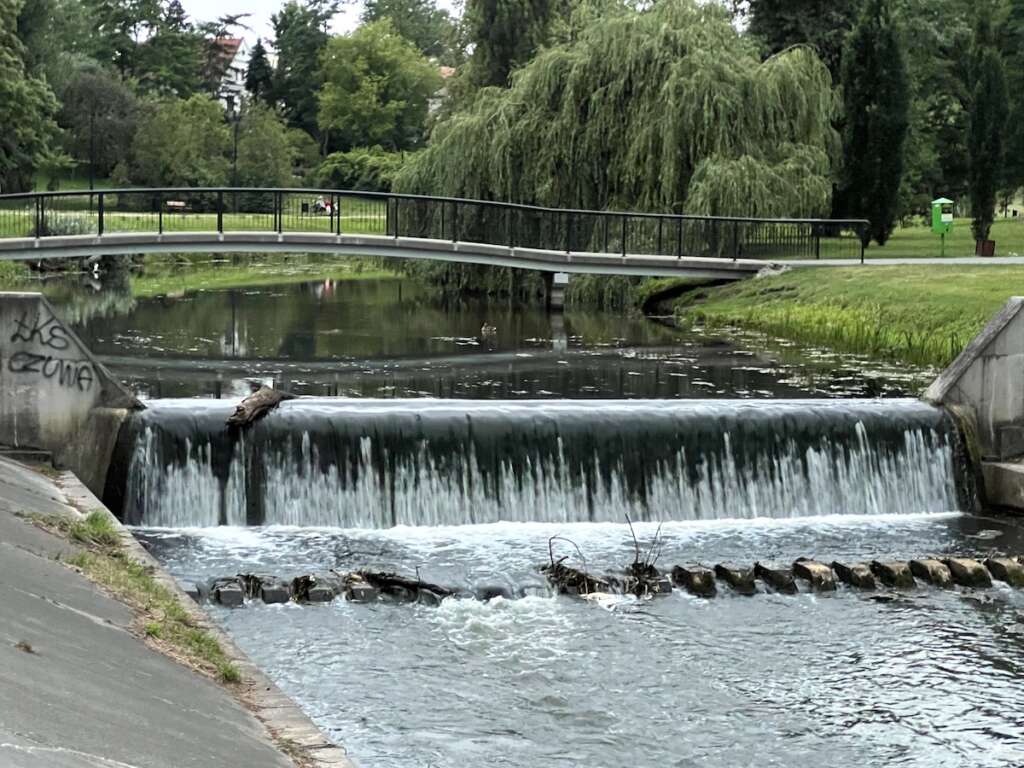
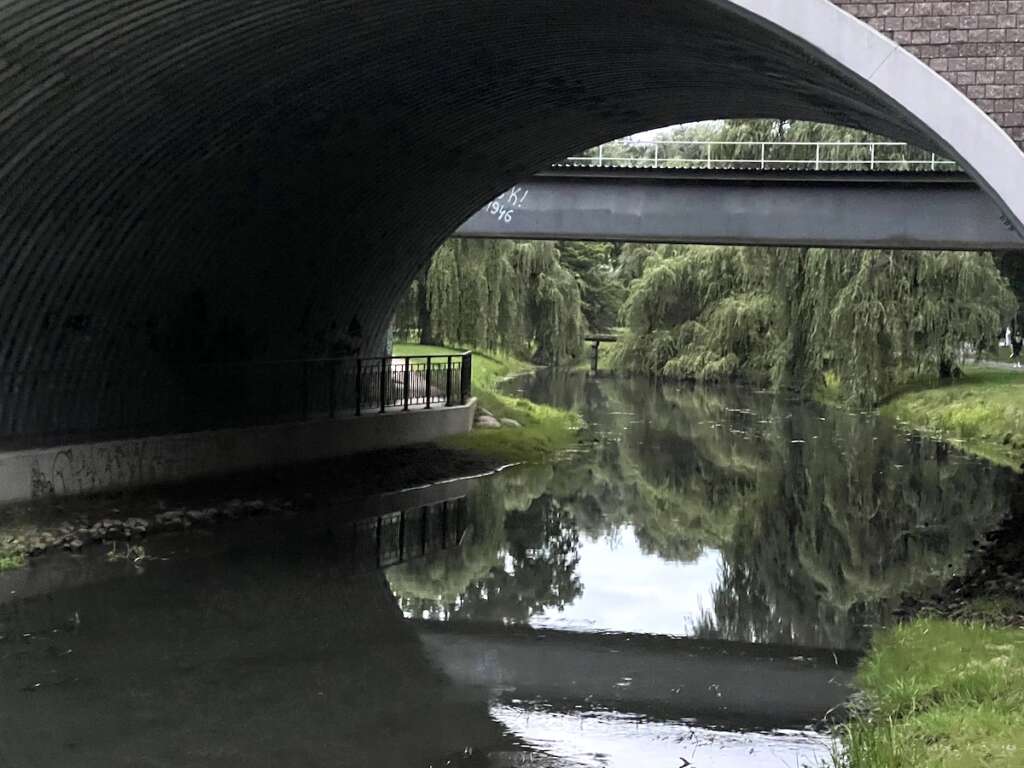
Włocławek is a green city – parks occupy a significant part of its space, and some of them have an interesting history. The best known is Henryk Sienkiewicz Park, located near the city center. It is a classic city park with alleys, monuments, and a playground – perfect for a walk, yoga, or a family picnic. During the season, open-air concerts are held there, and among the trees, you can come across interesting sculptures.
On Słodowo, you will find a more modern area, with elements of small architecture, an outdoor gym, and spaces for relaxation. Another important green spot is Łokietek Park, located in the eastern part of the city center. It is a great place for a morning run, a bike ride, or a moment of rest away from the urban hustle.
Włocławek’s parks are well maintained, diverse, and spread across different parts of the city. Whether you are looking for a place to lie on a blanket, go jogging, or walk with children – greenery is always close at hand here.
Boulevards
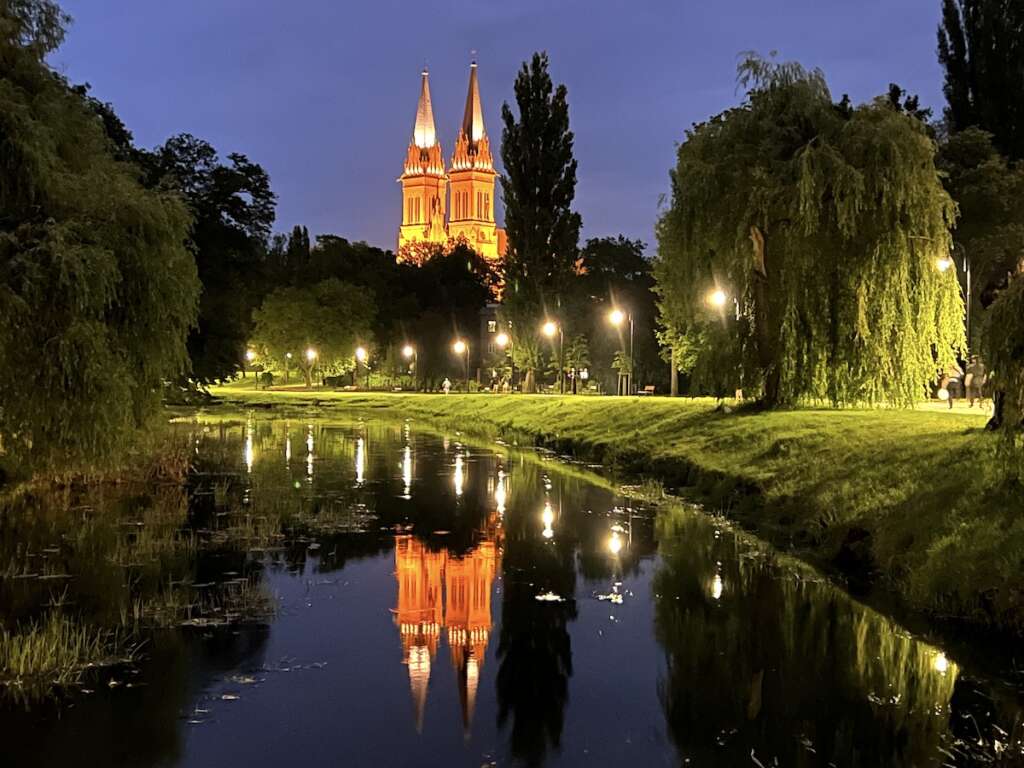
The Marshal Józef Piłsudski Boulevards are a true gem of Włocławek – a beautifully revitalized promenade running along the Vistula River. A place that was neglected just a dozen years ago is now full of life – regardless of the time of day or year. The boulevards attract walkers, runners, cyclists, and families with children.
Wide paths, stylish lighting, and benches create excellent conditions for relaxation. In the summer season, open-air events are held here – concerts, festivals, and open-air cinema screenings. It is also a popular meeting place for residents – along the route you will find ice cream stands, coffee spots, and food trucks.
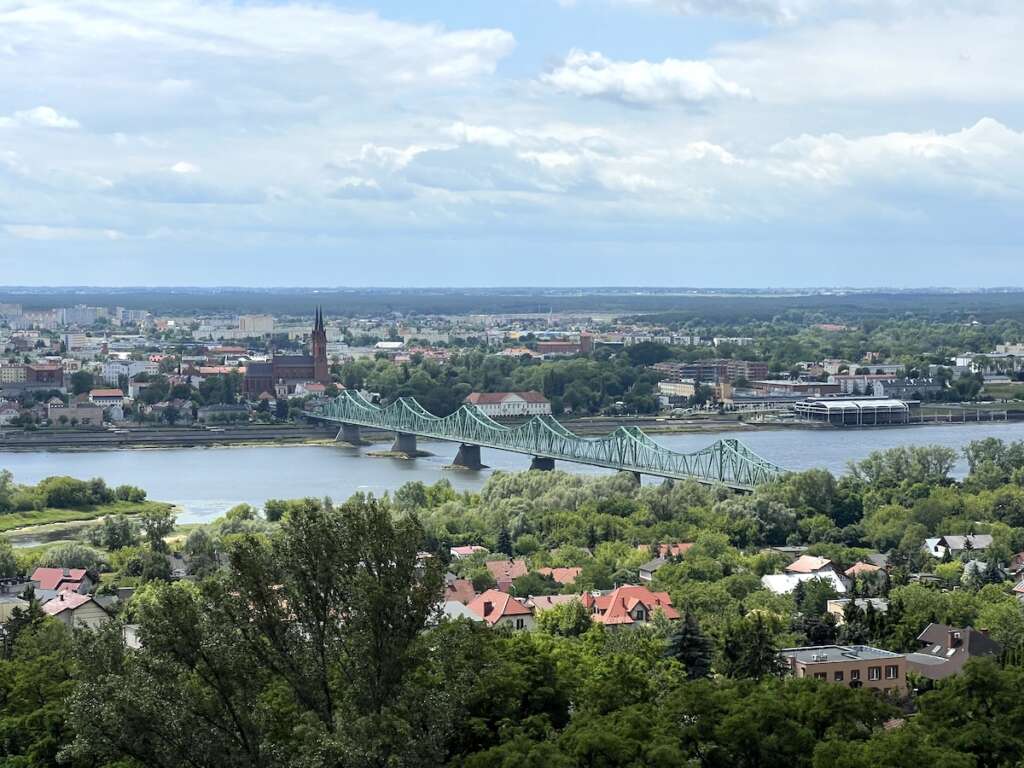
From the boulevard, there is a view of the Vistula, the Edward Śmigły-Rydz Bridge, and the water barrage. From here, you can head on foot or by bike toward the dam, or take a sightseeing cruise. For children, there is a playground with educational elements, and for adults – an outdoor gym and exercise stations.
It is worth returning here in the evening – the illuminated boulevards have a unique atmosphere. The warm glow of the lanterns reflects in the river, and the city takes on a special charm. It is one of those places that truly shape the city’s identity.
Murals
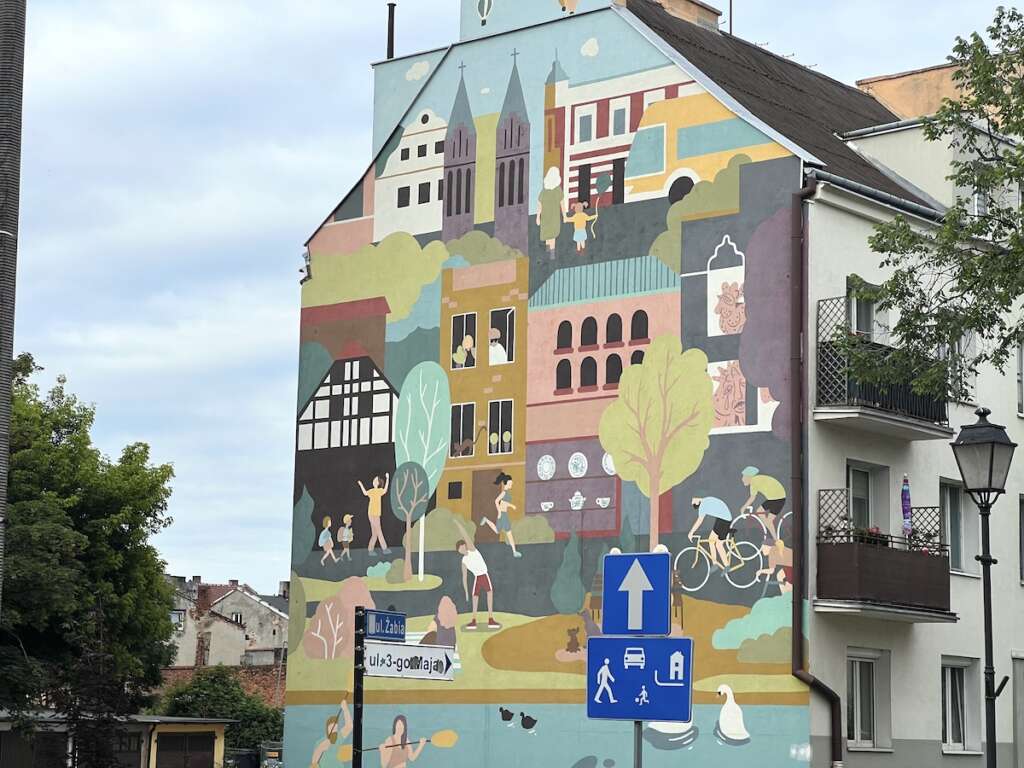
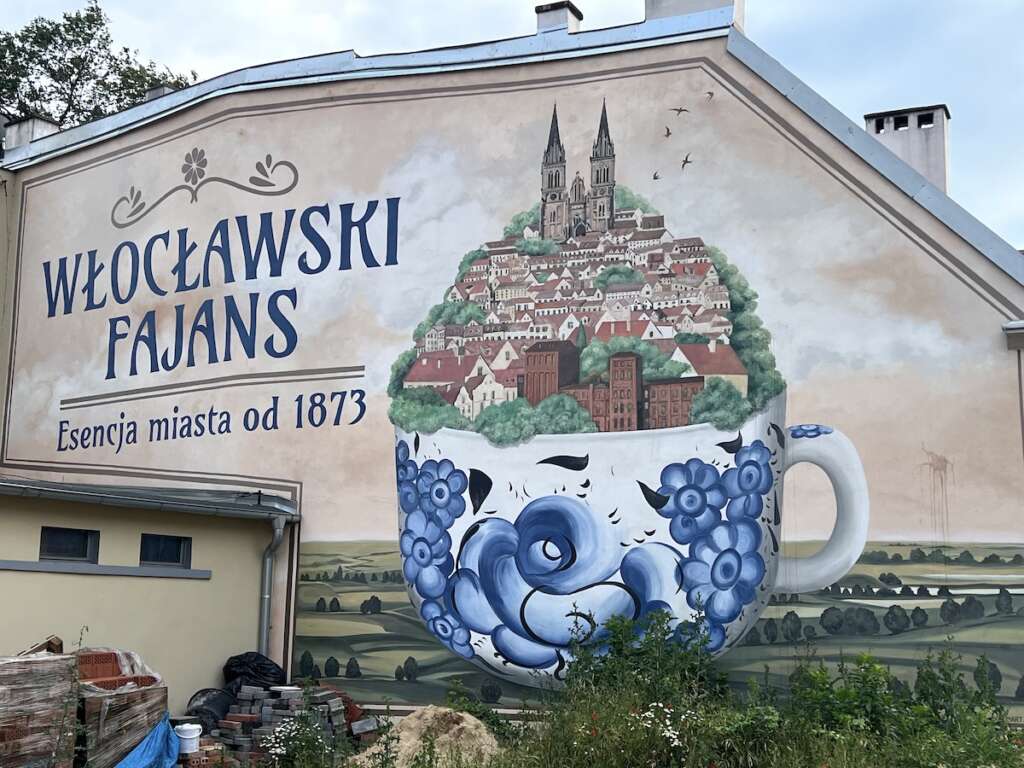
Włocławek boasts a rich collection of murals that give the city a modern, artistic character. These large-format paintings not only decorate the walls of tenement houses and industrial buildings but also tell stories – about the city, its residents, its culture, and its transformations.
One of the most recognizable murals is a dynamic composition referencing Włocławek as a city of faience and industry. As part of the city’s revitalization efforts, new works are created every year – often by well-known street artists from across Poland. Murals appear in places that were once unnoticed or neglected – turning courtyards, side walls, and narrow streets into open-air galleries.
Exploring Włocławek along the mural trail is a great way to discover less obvious parts of the city – sometimes the most photogenic spot is just around the corner. If you enjoy urban art, don’t forget your camera – and get ready for plenty of surprises! Among the murals, look out for “Włocławskie Popołudnie,” “Esencja Miasta,” “Kartka Pocztowa,” and “Przystań.”
Edward Śmigły-Rydz Bridge
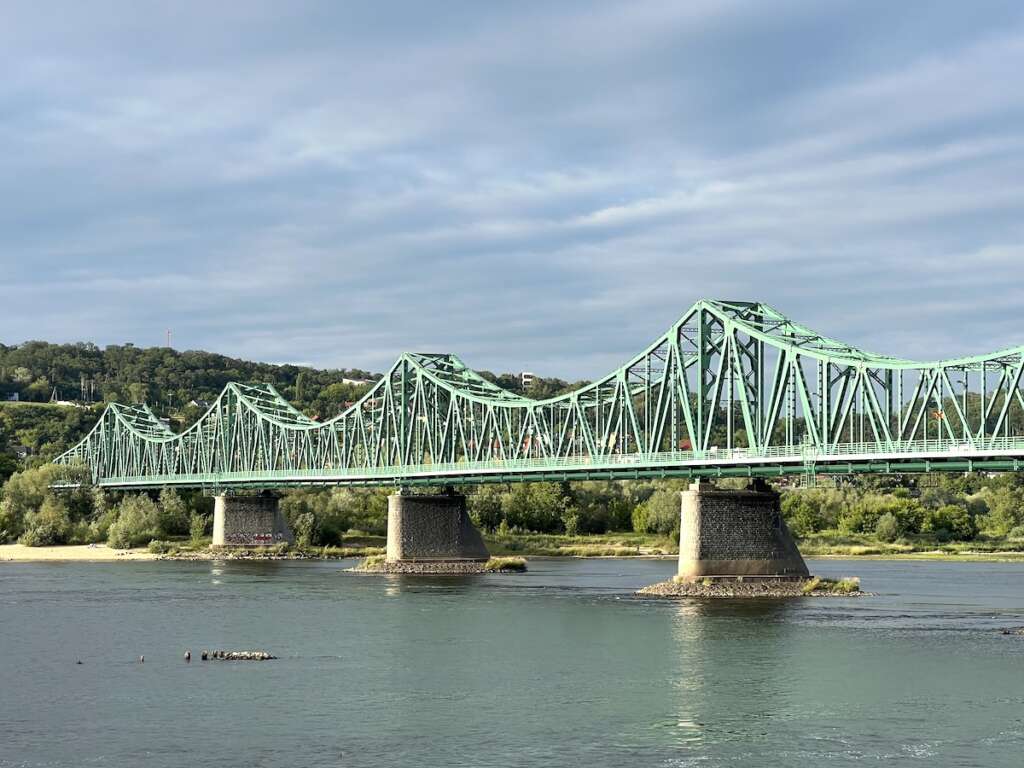
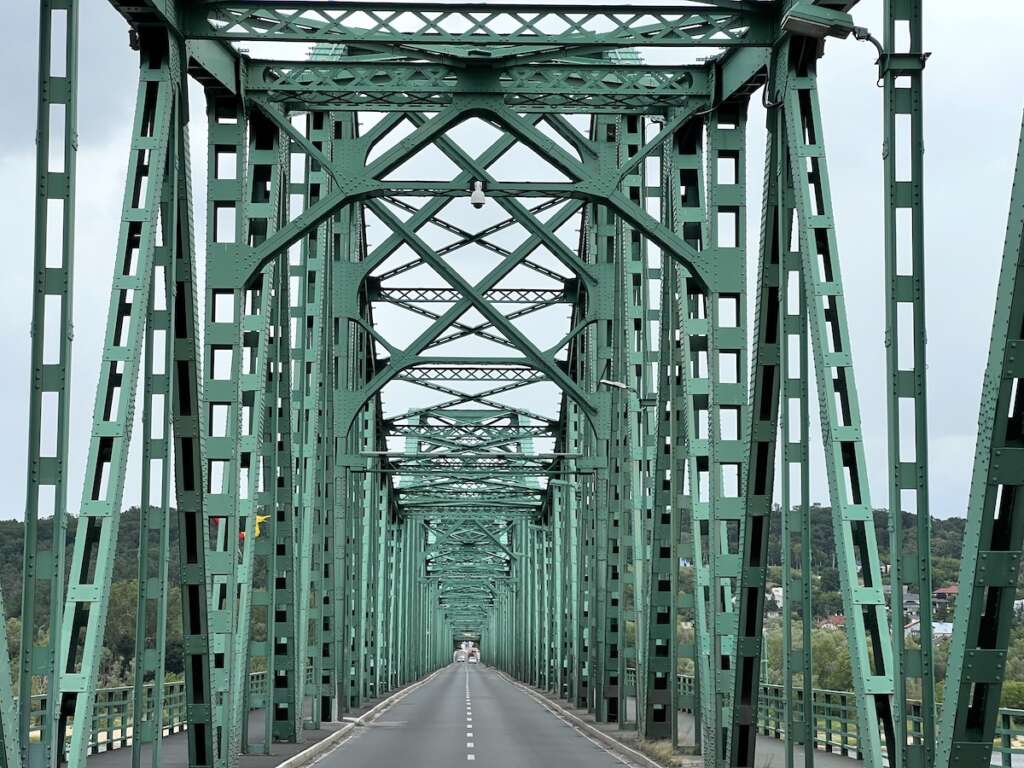
Włocławek is a city located on the Vistula River, and bridges are an inseparable element of riverside cities. The most characteristic one here is the Edward Śmigły-Rydz Bridge. For decades, it has served as a link between the two banks of the city. Its steel structure, over 600 meters long with seven spans, is an excellent example of engineering and an important transport point connecting the city center with the Zawiśle district. Built in 1937, it was destroyed in 1939 and rebuilt in 1944. A year later, it was destroyed again and finally rebuilt in 1948. Today, the bridge is not only a functional crossing but also a place for walks, photography, and relaxation – especially at dusk, when illuminated, it creates a particularly picturesque riverside landscape.
It was not the only crossing in this location. In the past, there was also a pontoon bridge and a wooden bridge here. During my visit, the water level in the Vistula was low enough to reveal remains of old structures.
The Water Barrage on the Vistula
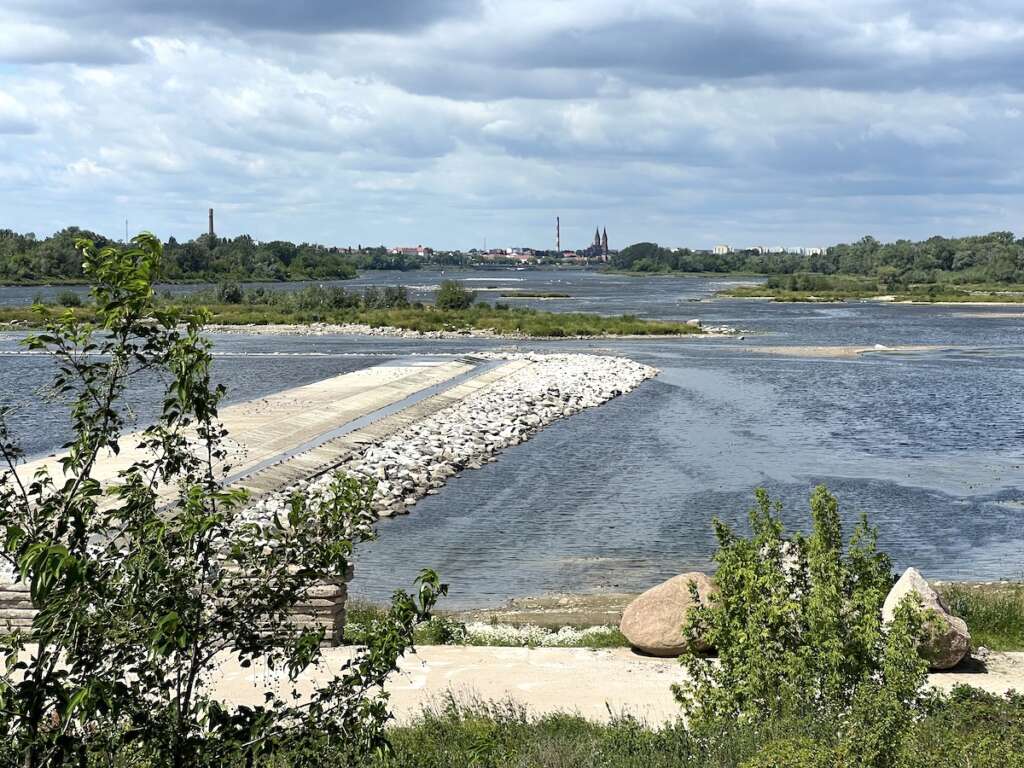
One of the most characteristic landmarks of Włocławek, located slightly farther from the city center, is the water barrage on the Vistula, combining hydrotechnical, landscape, and recreational functions. This massive structure separating the upper and lower courses of the river was built in the 1960s as part of a larger energy project. Today, it is important not only for local infrastructure but also for residents and tourists.
From the dam, there is an excellent view of the Vistula valley, bridges, and the city skyline. You can walk here, observe water birds and ships. In good weather, it is a perfect place for photos and a moment of reflection accompanied by the sound of rushing water.
The barrage is also a starting point for sightseeing cruises and many cycling routes. Nearby, there are green areas, a pier, benches, and observation points. It is worth visiting both during the day and after dark – when illuminated, the structure looks truly spectacular.
For many people, it is one of the most interesting places in Włocławek – showing the power of nature harnessed by human engineering ingenuity.
On the right bank of the Vistula, there is a parking area where you can leave your car and go for a walk along the dam.
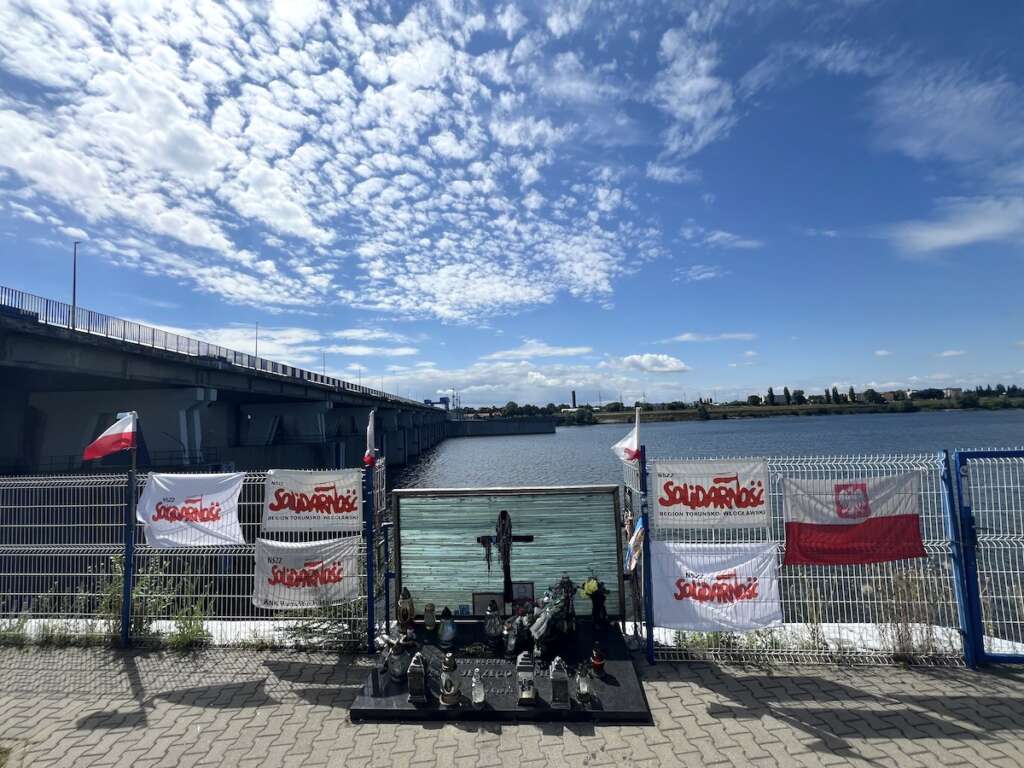
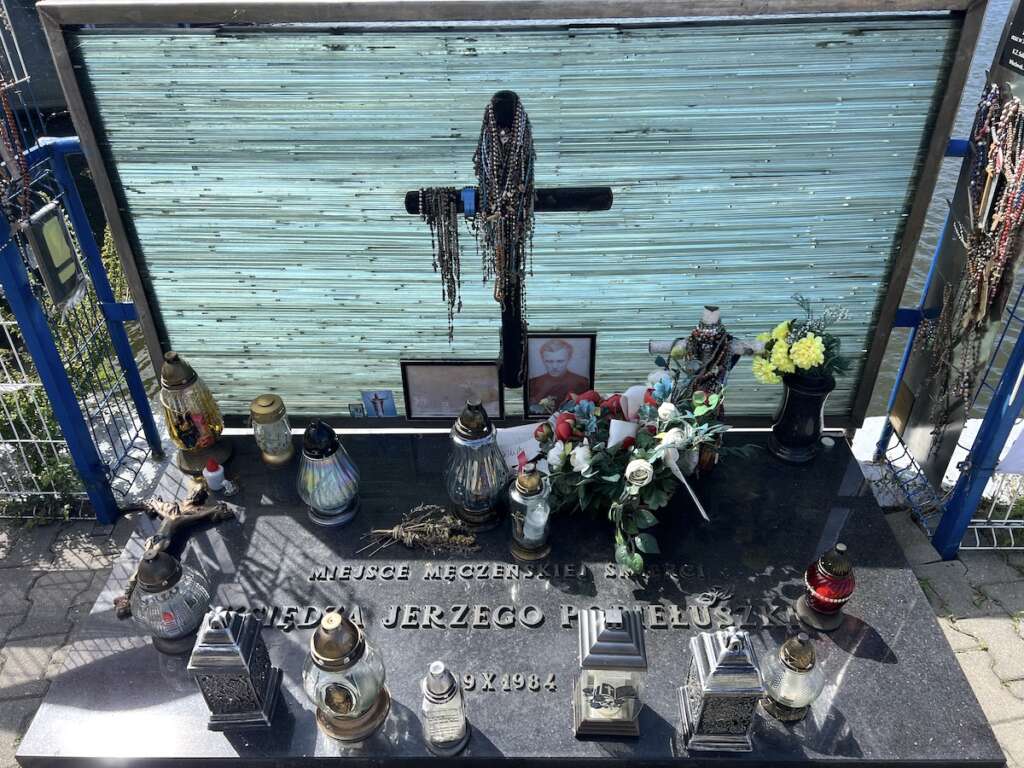
Monument to Father Popiełuszko
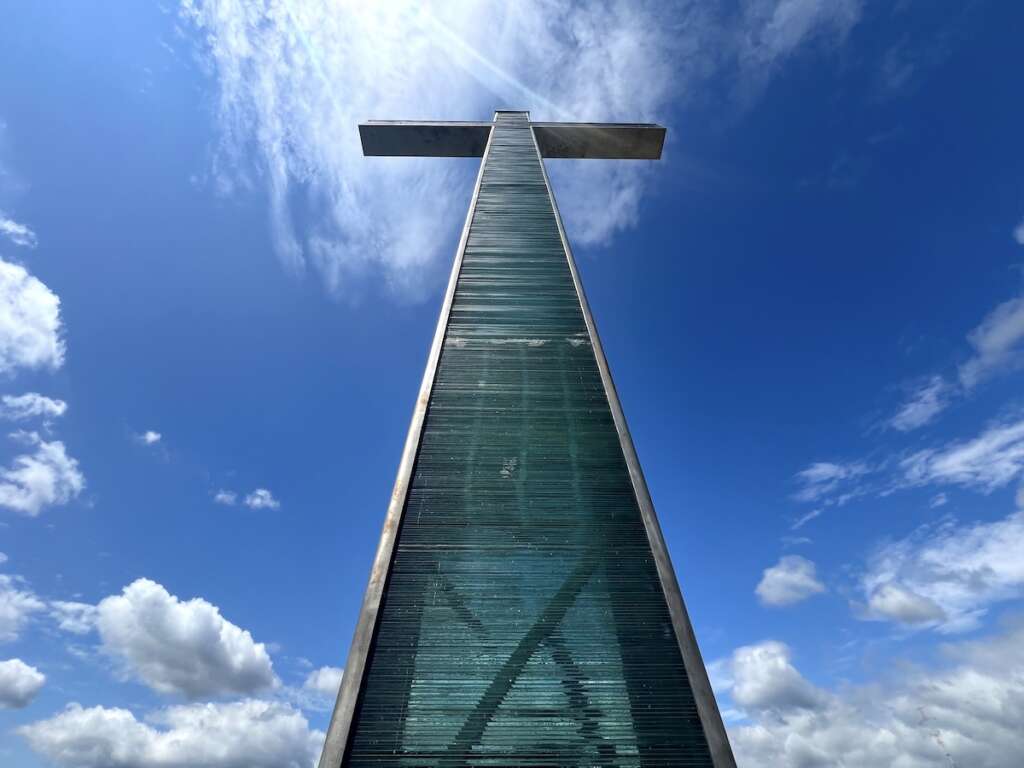
Włocławek is inseparably linked with Blessed Father Jerzy Popiełuszko, chaplain of the Solidarity movement, who was murdered by secret police officers in 1984. It was near the Włocławek dam that his body was recovered from the Vistula — and here stands one of the most important monuments commemorating his life and martyrdom.
The monument is located by the dam, in a symbolic and solemn place. Nearby, the Sanctuary of the Martyrdom of Blessed Father Jerzy Popiełuszko was established – a site visited by pilgrims from all over Poland.
This is not only a tourist site but also a place of reflection on recent history, freedom, and the price people paid for independence and dignity. It is worth coming here to understand why Włocławek holds such an important place in Poland’s national story.
Włocławek Reservoir
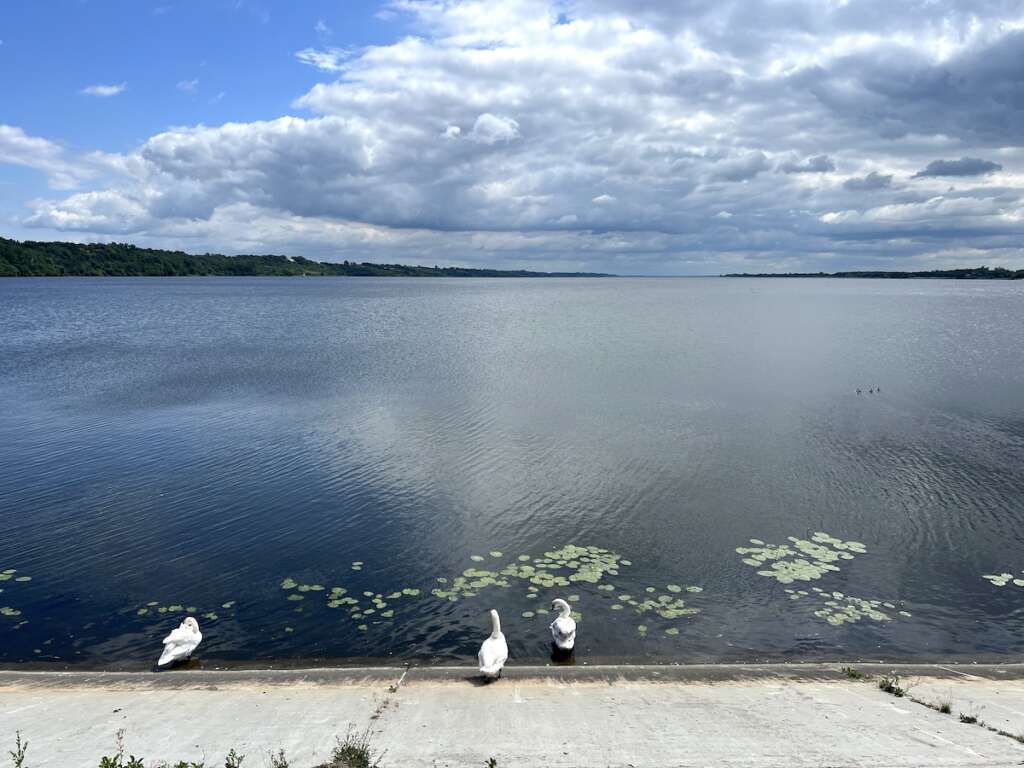
The Włocławek Reservoir, an artificial lake created on the Vistula River, is one of the most important recreational areas near Włocławek. Built in the 1960s as a retention reservoir and hydroelectric power facility, it quickly became a center for leisure, water sports, and tourism.
The reservoir stretches for over 50 kilometers, and its width reaches several kilometers in places, creating a picturesque landscape that encourages outdoor activity. It is an ideal place for sailing, kayaking, windsurfing, and fishing enthusiasts looking for rich fishing grounds.
Around the reservoir, there are beaches and marinas where you can rent water equipment or simply relax with your family. Walking and cycling trails along the shores allow for peaceful strolls and enjoying nature. During the season, sports and recreational events are also organized here.
For those who prefer more intimate forms of relaxation, agritourism farms, campsites, and restaurants serving local specialties can be found in the vicinity of the reservoir. It is a great destination for a weekend getaway outside the city, combining relaxation with activity.
The Włocławek Reservoir is not only a tourist attraction but also an important element of the region’s energy infrastructure and flood protection system. Its presence significantly influences the climate and ecosystem of the surrounding area, creating unique conditions for birdwatching and observing other wildlife.
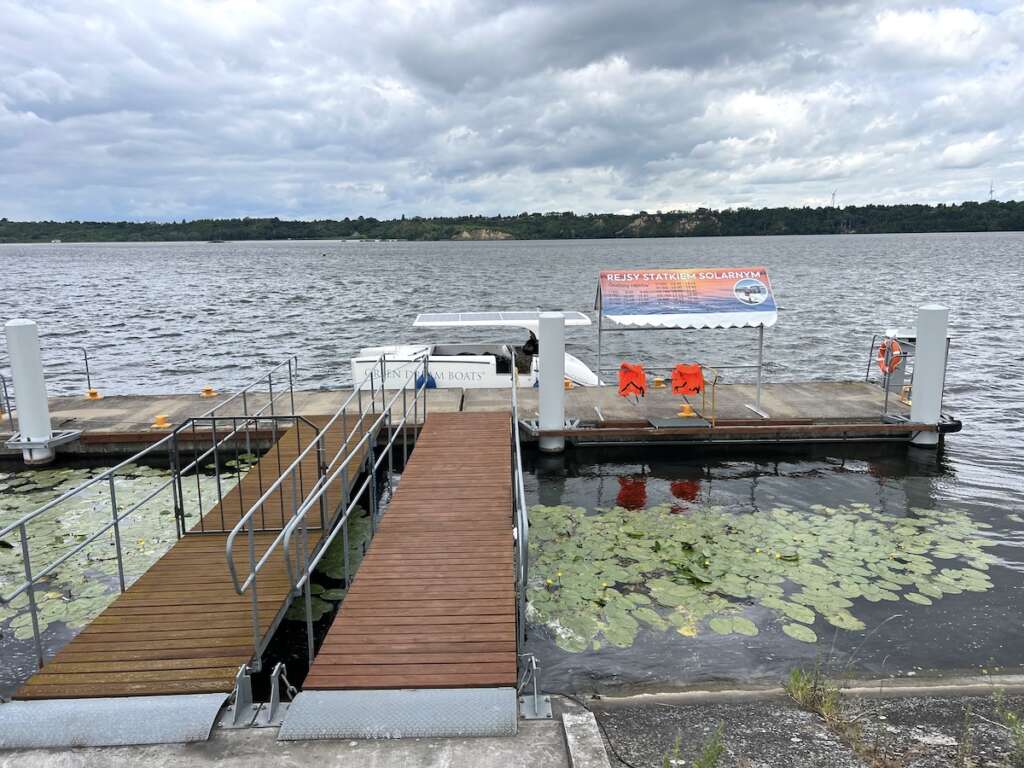
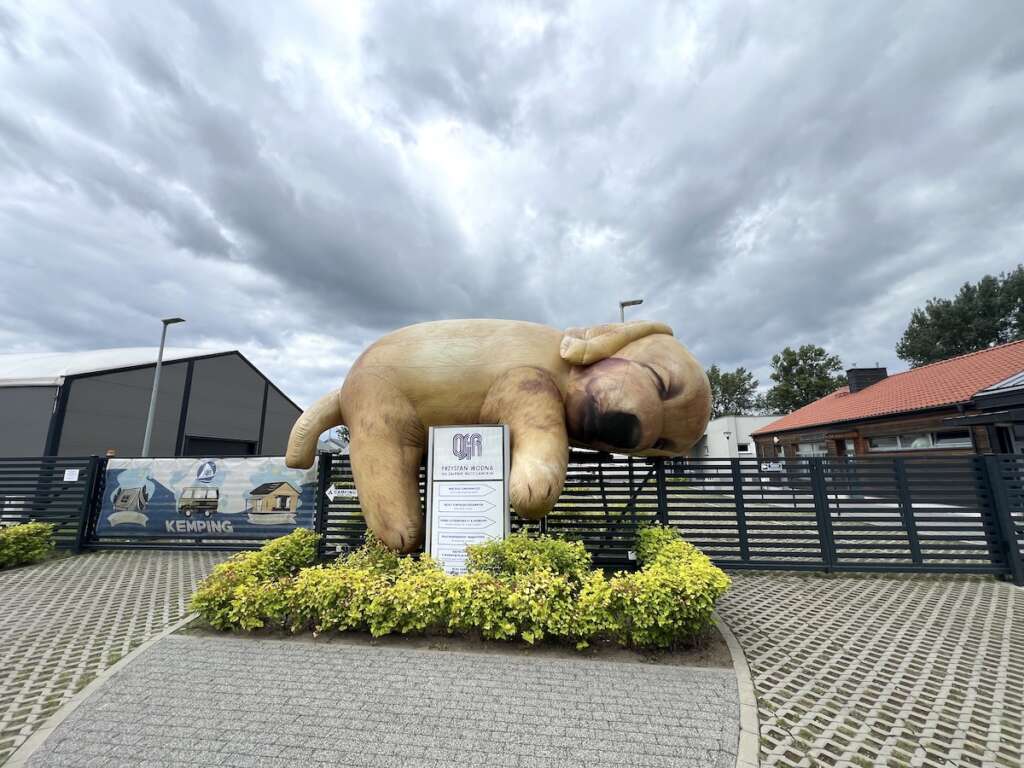
An interesting spot located close to the water barrage is the City Marina. You will find rental cottages, a camper site, and an outdoor swimming pool there. Accommodation prices are reasonable, and the location makes it popular among tourists.
Włocławek Collection of Weights and Measures
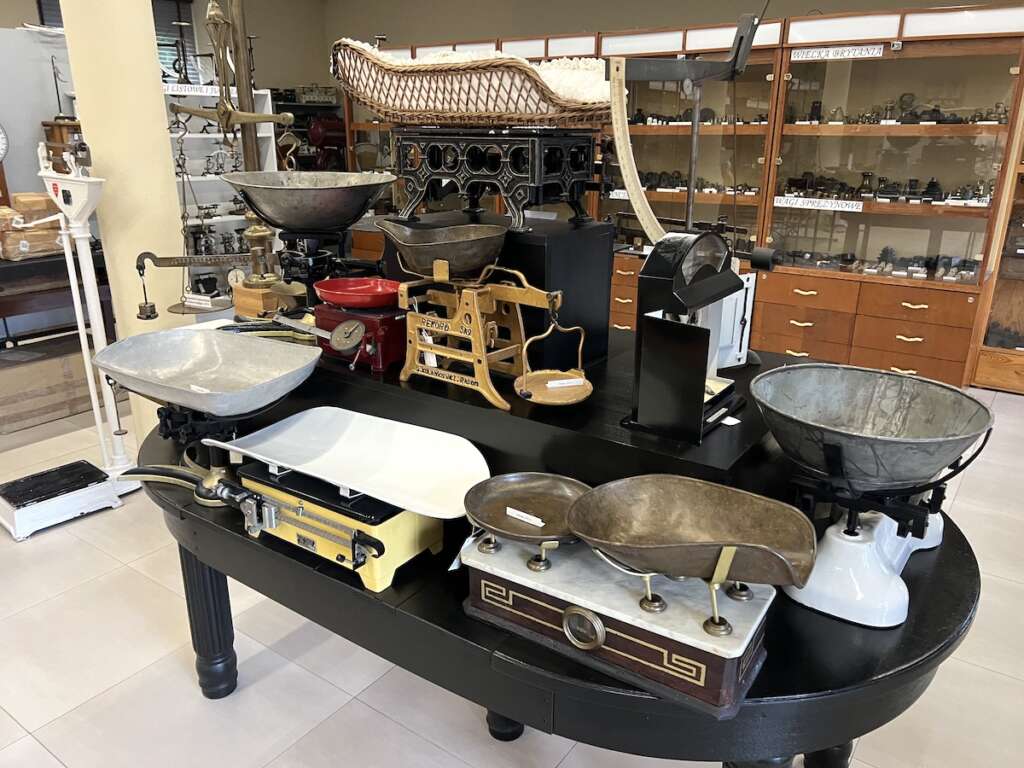
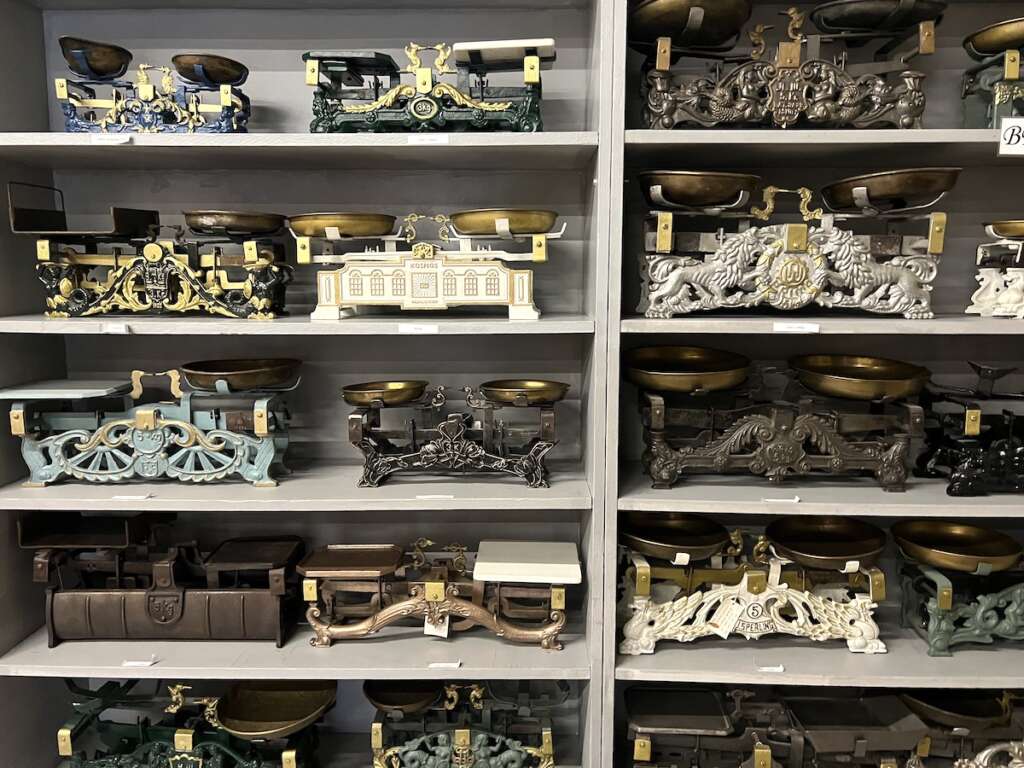
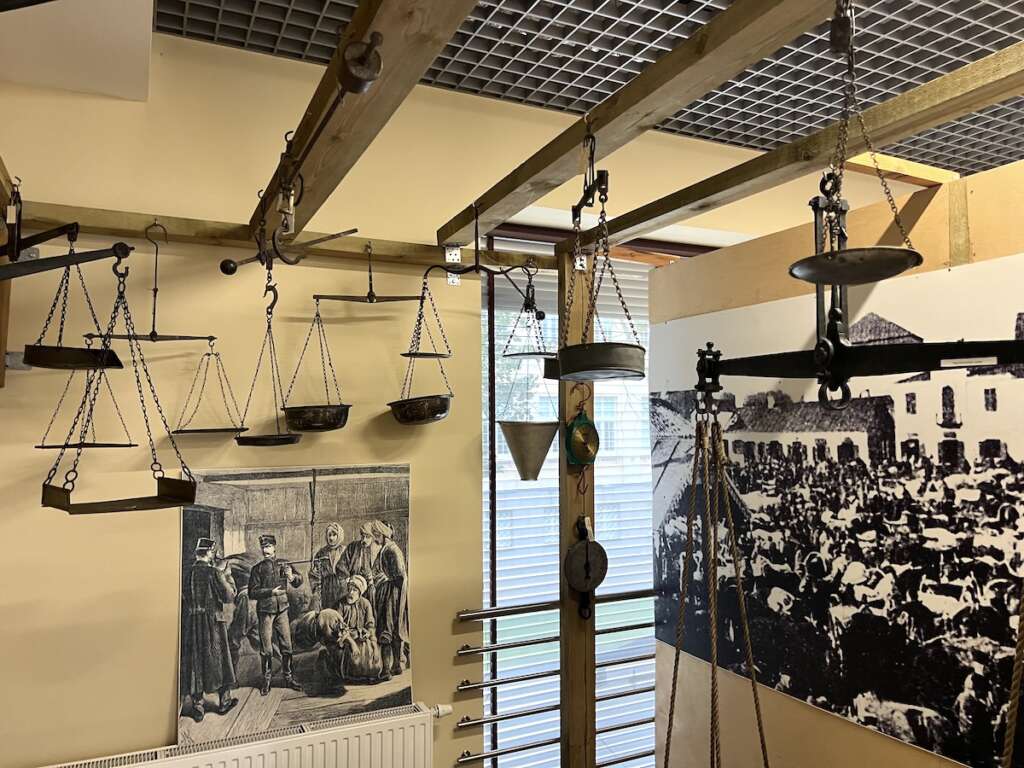
In one of the buildings of the former Włocławek Brewery, which today houses the Browar B Cultural Centre, there is an interesting exhibition dedicated to the history of measurement – old scales, weights, and metrological devices used over the years. The collection includes numerous balance and spring scales, gauges, length measures, and assay sets used in trade and administration. Each instrument is accompanied by a description explaining its application and operating methods in the pre-digital era.
The exhibits date back to the late 19th and first half of the 20th century. They present different systems of measurement used during the Duchy of Warsaw, under Prussian rule, and after Poland regained independence. Visitors can see pharmacy, shop, and industrial scales, as well as instruments related to quality control and product standardization.
Observation Tower
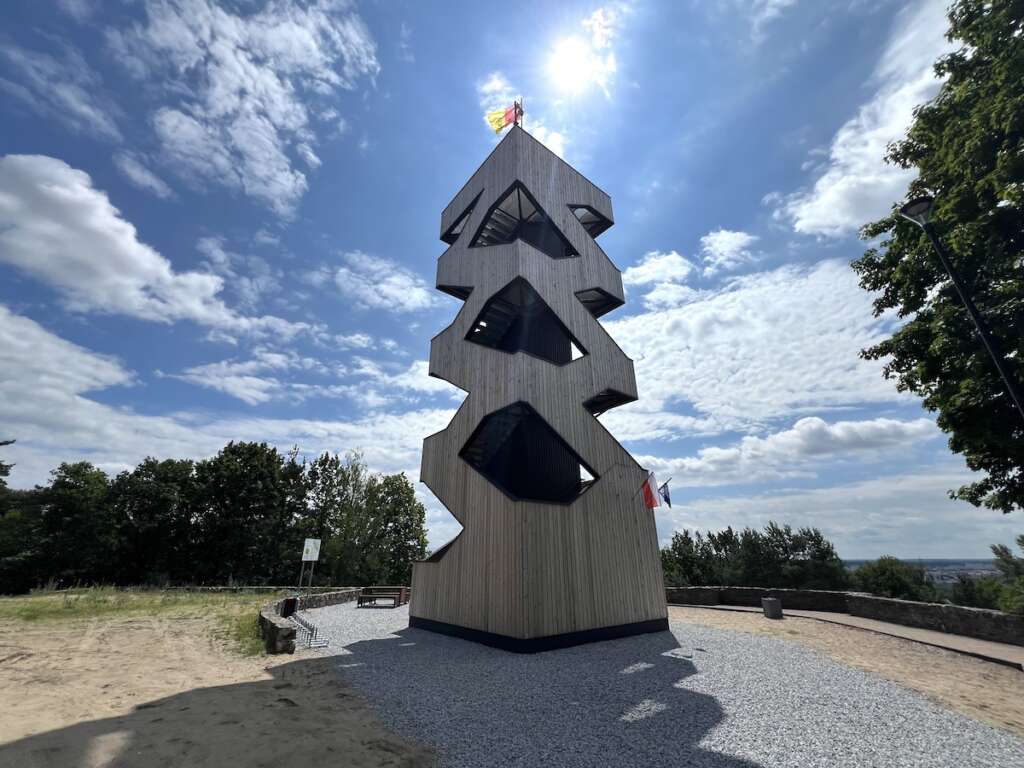
If you want to see Włocławek from a completely different perspective, be sure to visit the observation tower on Hill H in the Zawiśle district. It is a modern steel structure designed to offer panoramic views of the city, the Vistula valley, and the surrounding green areas. It was built as part of the Włocławek Civic Budget.
The tower has several levels. Climbing to the top is relatively easy – even for children – and the views reward every step. Keep in mind, however, that there are quite a few stairs. On a clear day, you can admire Włocławek in all its glory, as well as distant towns and industrial chimneys that remind visitors of the city’s industrial past and present. The highest viewing platform is over 16 meters high.
It is a great place for sunset or a morning photo trip. The tower is also a starting point for many walking and running trails, so you can combine it with a longer stay in this part of the city.
Is Włocławek Worth Visiting?
Definitely yes. Włocławek is a city with history, soul, and its own unique atmosphere. It is not just a point on the map or another set of attractions, but also a mood – a little nostalgic, a little industrial, but above all authentic. Włocławek does not pretend to be something it is not. It shows its history, transformations, art, people, and nature.
It is an ideal place for a weekend getaway, a trip with children, a cycling adventure, or a photography excursion. You will find monuments and modernity, quiet parks and riverside boulevards, as well as historical symbols and contemporary street art.
For many visitors, Włocławek comes as a surprise – a positive, inspiring, sometimes even moving one. It is one of those cities that may not appear on the front pages of guidebooks, but remain in memory for a long time – and are certainly worth discovering.