


Share This Article
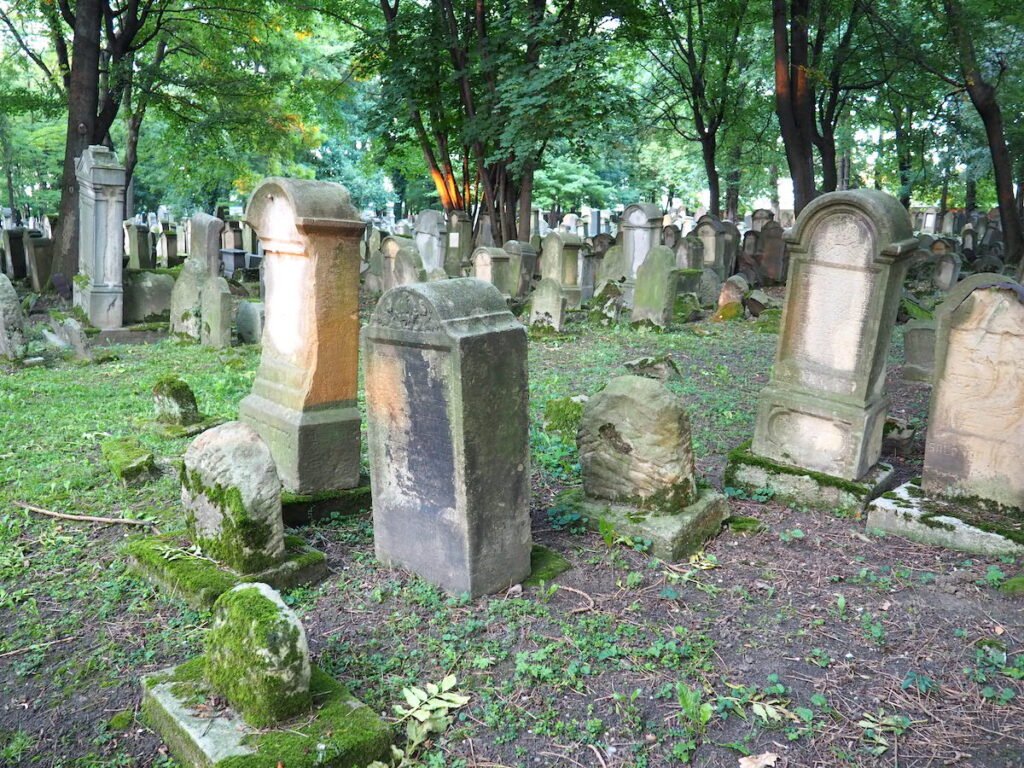
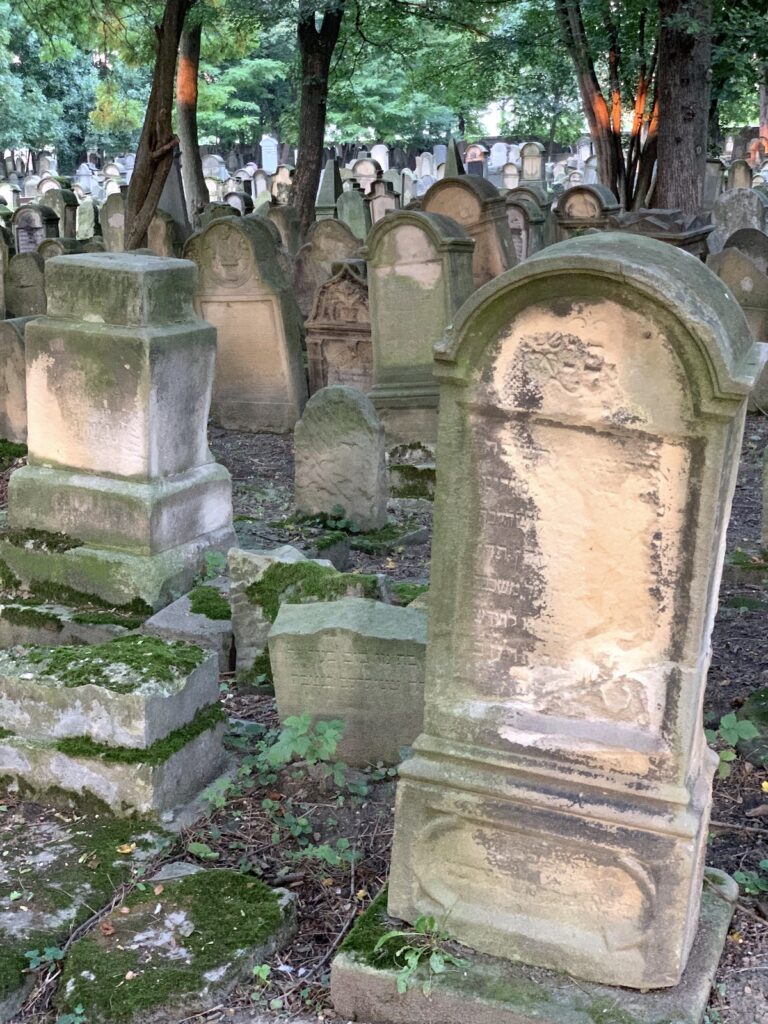
My second visit to this place turned out to be a success. The first time, I found the gate closed. It was definitely worth coming back, though. The Jewish cemetery in Tarnów is one of the largest in southern Poland, and the number of preserved matzevot is impressive!
Jewish Cemetery in Tarnów – Location
The Jewish cemetery in Tarnów is located on Szpitalna Street, right next to the Church of St. Joseph and Our Lady of Fatima. Along the street, near the entrance gate, you will find several places where you can leave your car. You can also reach the cemetery area by public transport. From the city center, buses no. 14 or 30 run here, for example.
The Jewish Community of Tarnów
The first mentions of Jewish settlement on the outskirts of Tarnów date back to the 15th century. In the following century, Jews were granted permission to purchase several houses within the city walls, but only on one specific street. In 1581, a privilege issued by Prince Konstanty Wasyl Ostrogski (the owner of Tarnów) guaranteed safety to the Jews of Tarnów, but 52 years later a decree was issued prohibiting the admission of Jews and banning them, among other things, from engaging in trade. In the mid-18th century, the city once again allowed merchants to settle there. By the end of the 18th century, 1,200 Jews lived in Tarnów. At that time, a school was established (and another one at the end of the 19th century), and in 1842 a hospital was founded.
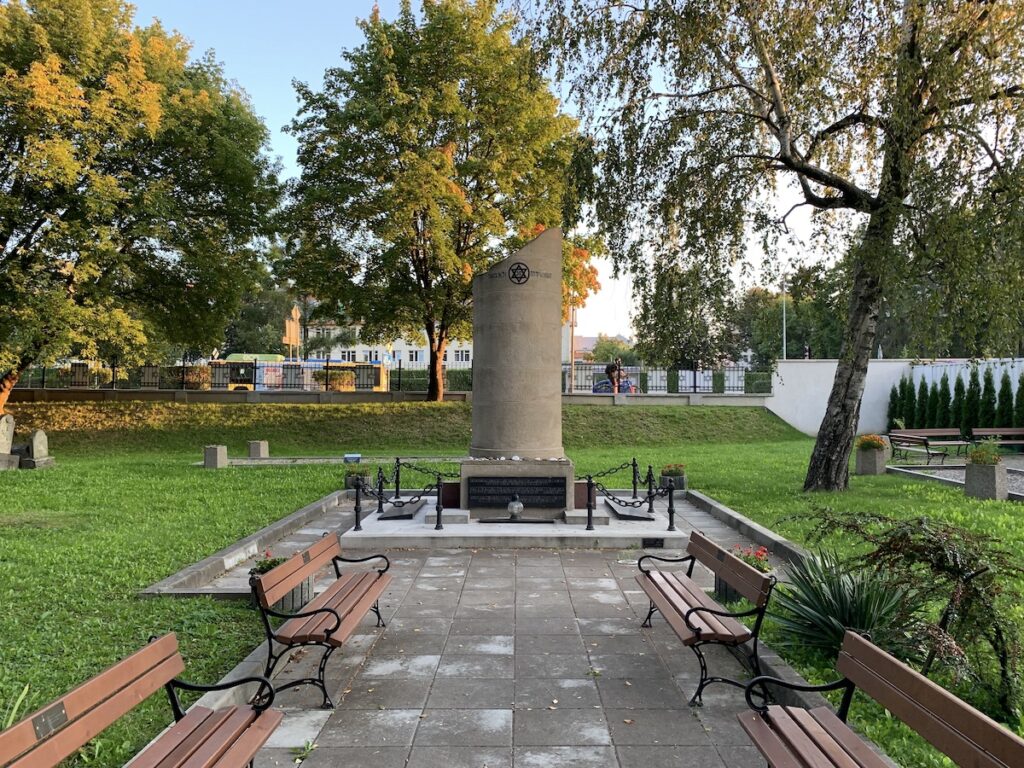
In 1890, Jews constituted 42% of Tarnów’s total population (over 11,000 people). Over the years, the existing synagogue became insufficient, and in 1908 the construction of the New Synagogue was completed. World War II did not spare Tarnów. In November 1939, the Germans burned and destroyed all synagogues and houses of prayer, and in 1941 they established a ghetto in which over 40,000 Jews were held, not only from Tarnów. In 1942, mass executions of the Jewish population began. Several thousand people were murdered on the city streets and in the Jewish cemetery. Tens of thousands of Tarnów Jews were deported to the death camps in Bełżec and Auschwitz. In 1943, the liquidation of the Jews of Tarnów began. About ten thousand people were killed, and the remaining ones were deported to the Plaszow concentration camp.

Accessibility
At first glance, entering the cemetery does not seem easy, but I have a tip that will make it easier for you. The easiest way to enter and visit the cemetery is to collect the key to the gate from the Tourist Information Center (Rynek 3) or the Regional Museum (Rynek 7). When collecting the key, a deposit of 20 PLN is required.

History of the Jewish Cemetery in Tarnów
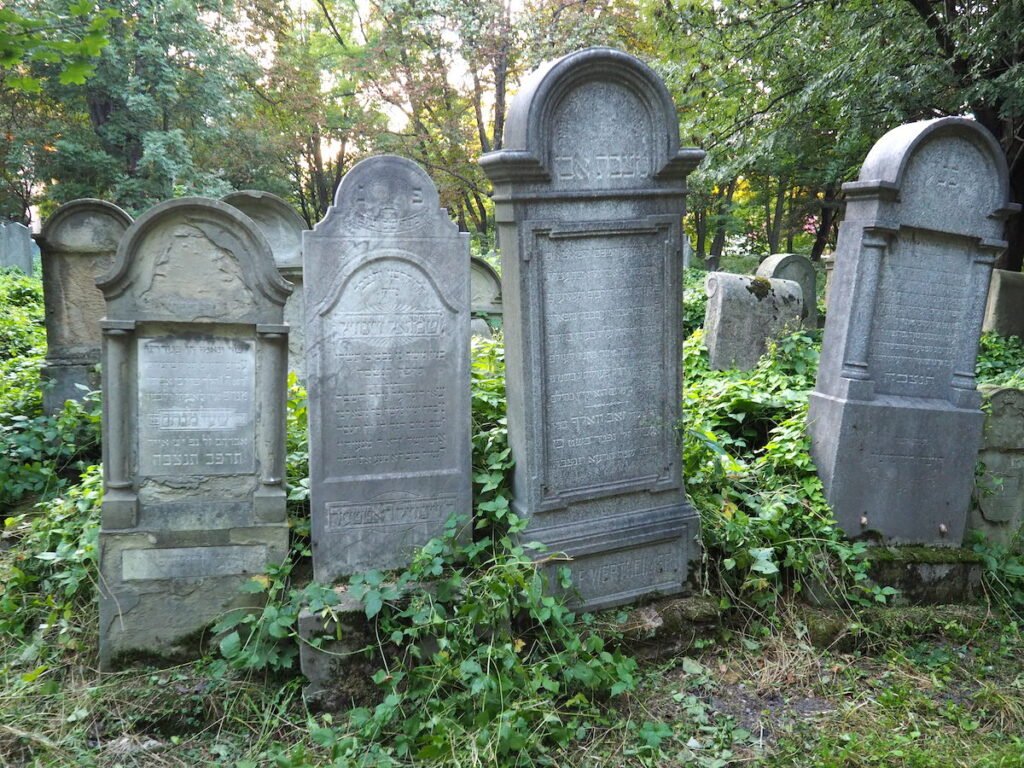
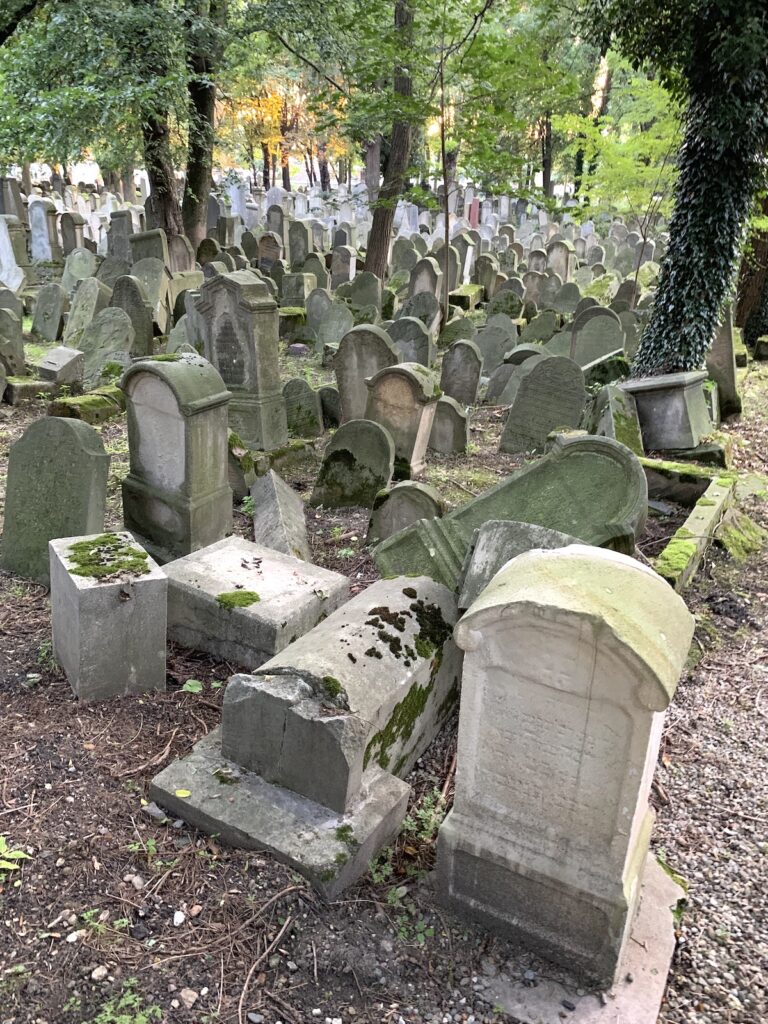
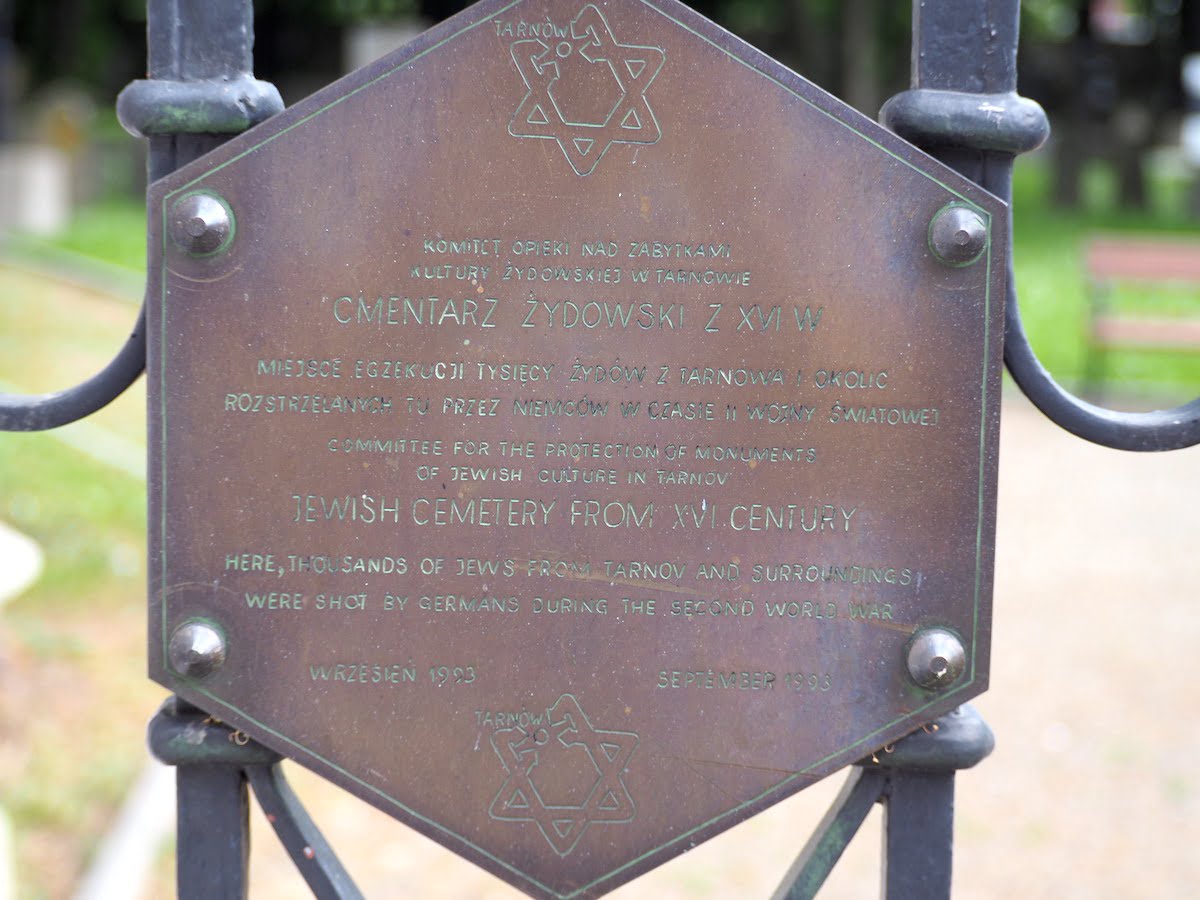
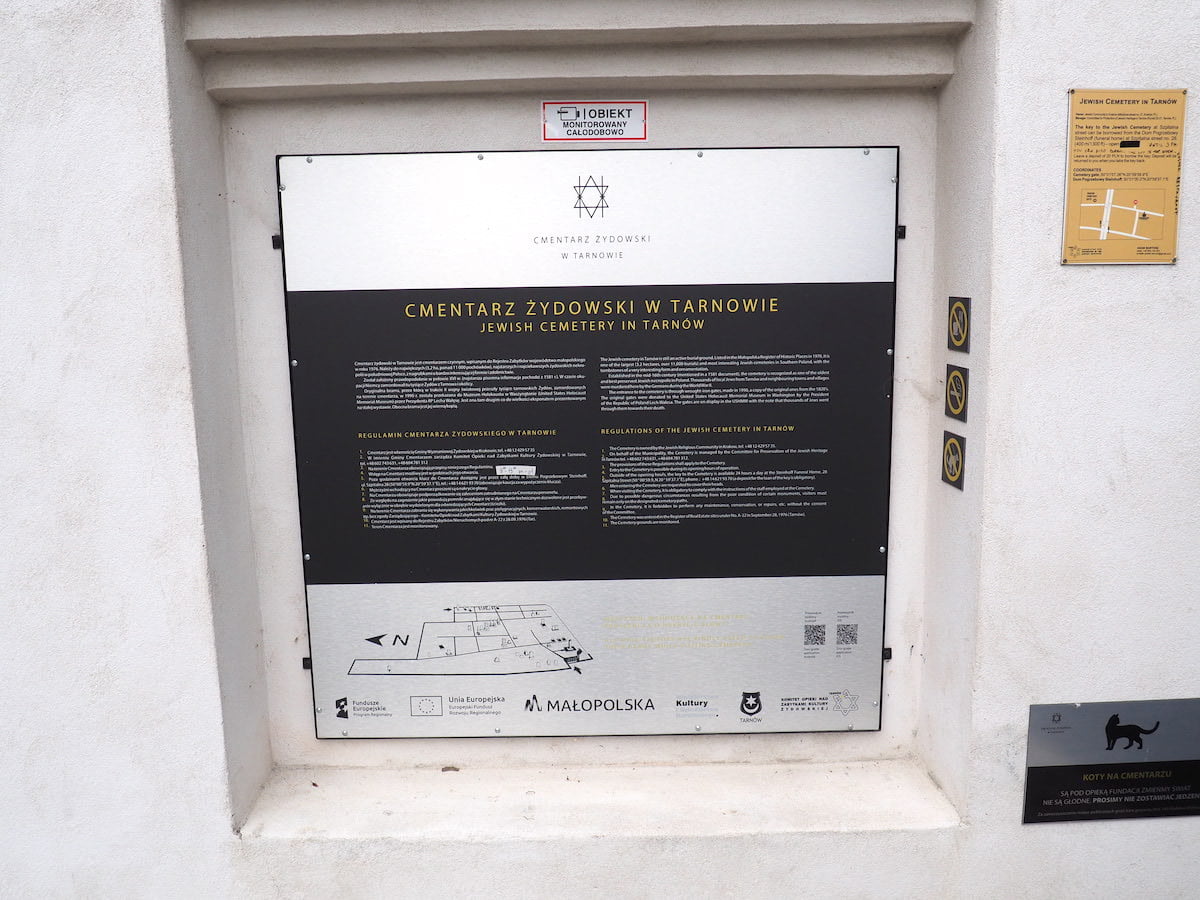
Its origins date back to the 16th century. It was devastated by the Germans during World War II. It was also a site of mass executions of the Jewish population of Tarnów. It is estimated that over 25,000 victims of the Holocaust are buried in mass graves there. The cemetery also contains graves of soldiers from World War I, and the oldest matzevah in the cemetery dates back to 1667. In total, there are about 3,000 matzevot within the cemetery grounds.
An interesting fact is that the original cemetery gate is located in the Holocaust Museum in the USA, as indicated by a plaque placed on the wall.
Current Condition
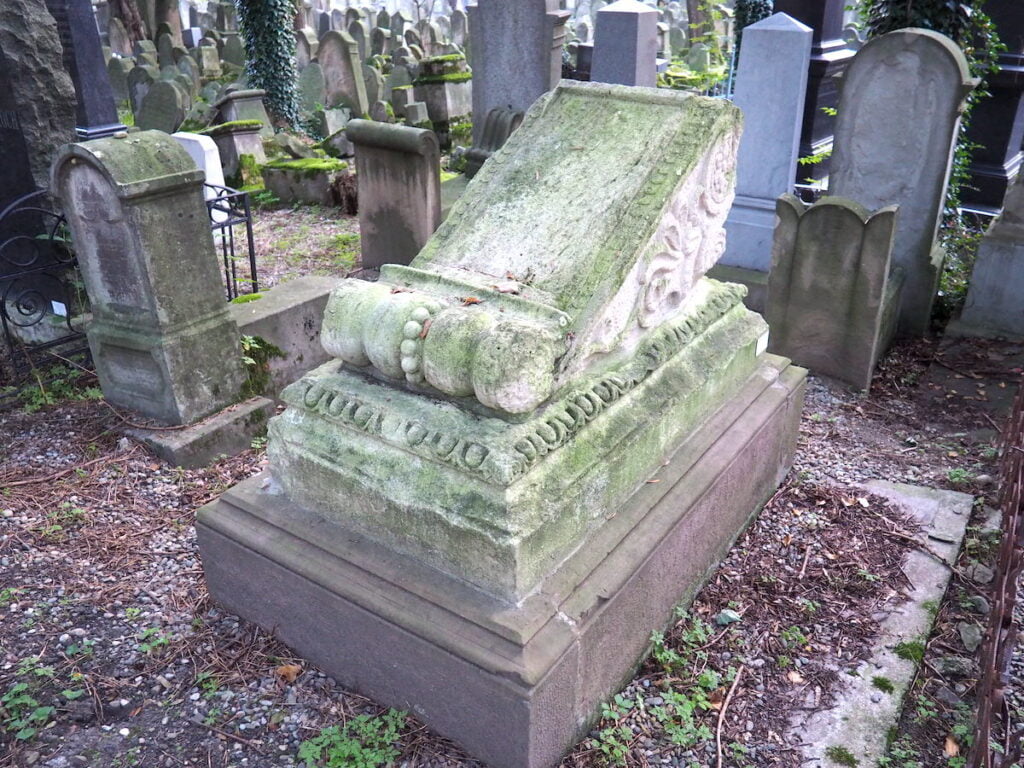
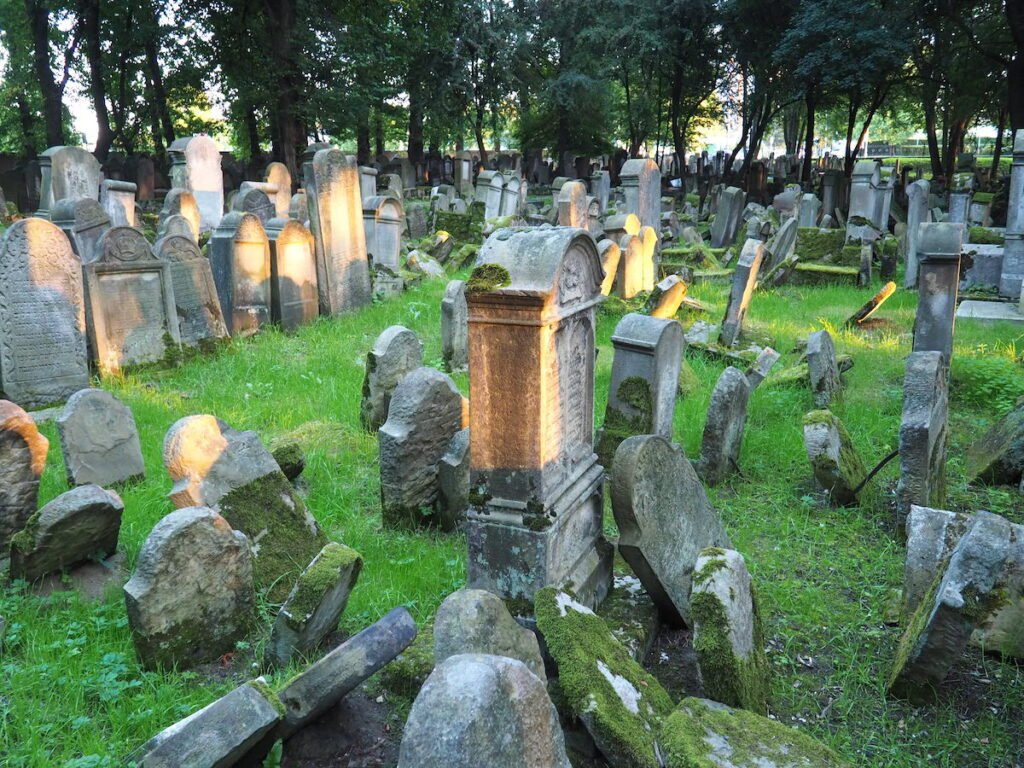
The Jewish cemetery in Tarnów is well maintained and cared for. There is a large number of matzevot, and their state of preservation varies. On the one hand, there are those with perfectly preserved inscriptions and carved details, and on the other, there are matzevot lying somewhat forgotten on the ground. Despite this, the cemetery makes a strong impression with its size and the diversity of its matzevot.
Famous Rabbis and Tzaddikim at the Jewish Cemetery in Tarnów
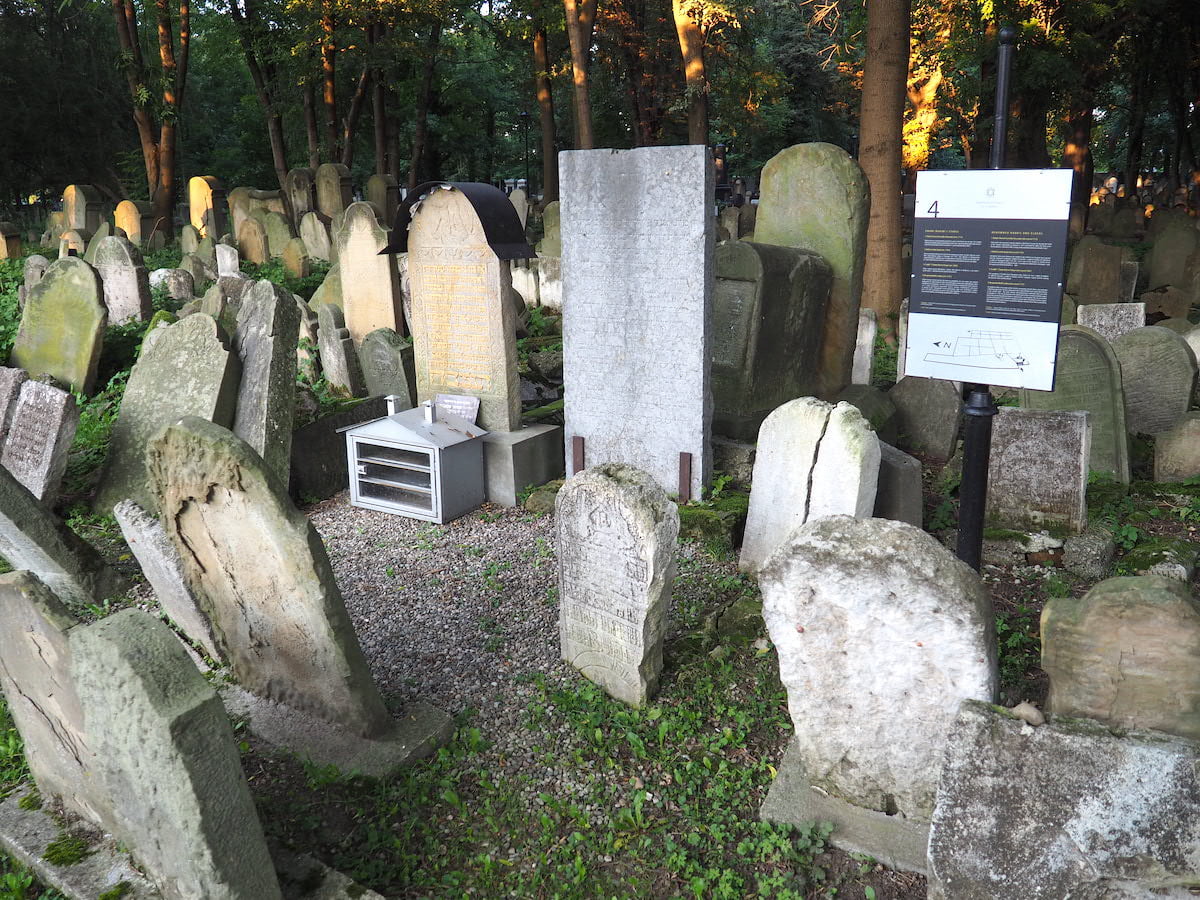
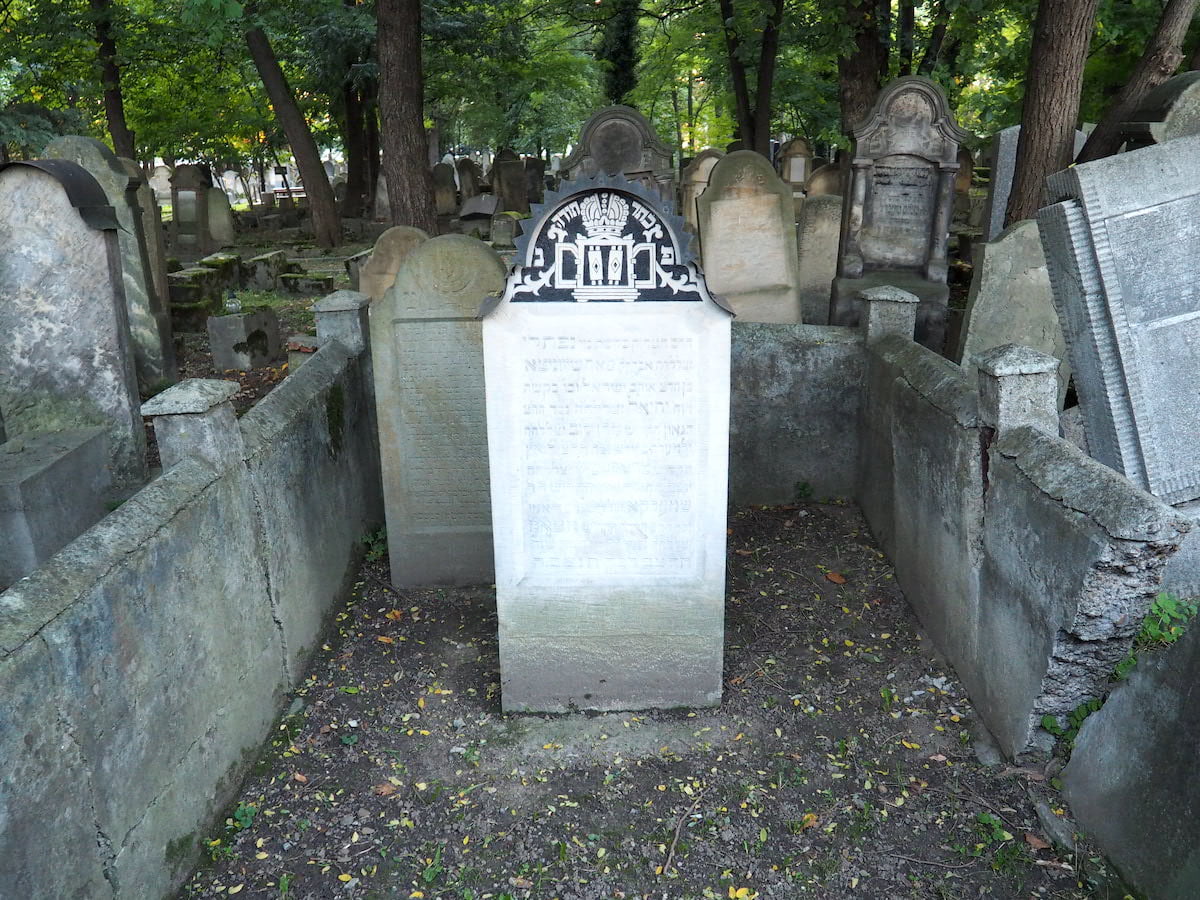
Many distinguished and well-known Jews are buried in the Jewish cemetery in Tarnów. Among them are the graves of Rabbi Samuel Shmelke Horowitz, Rabbi Yitzhak Ayzik, Tzaddik Chaim Eliezer Unger, Benjamin Wolf Landau, Tzaddik Leibush Halberstam, Tzaddik Naftali Horowitz of Pokrzywnica, and Tzaddik Israel Aikiba Bernstein. Their graves are located in two places within the cemetery and are marked and described on information boards.
War Cemetery Section
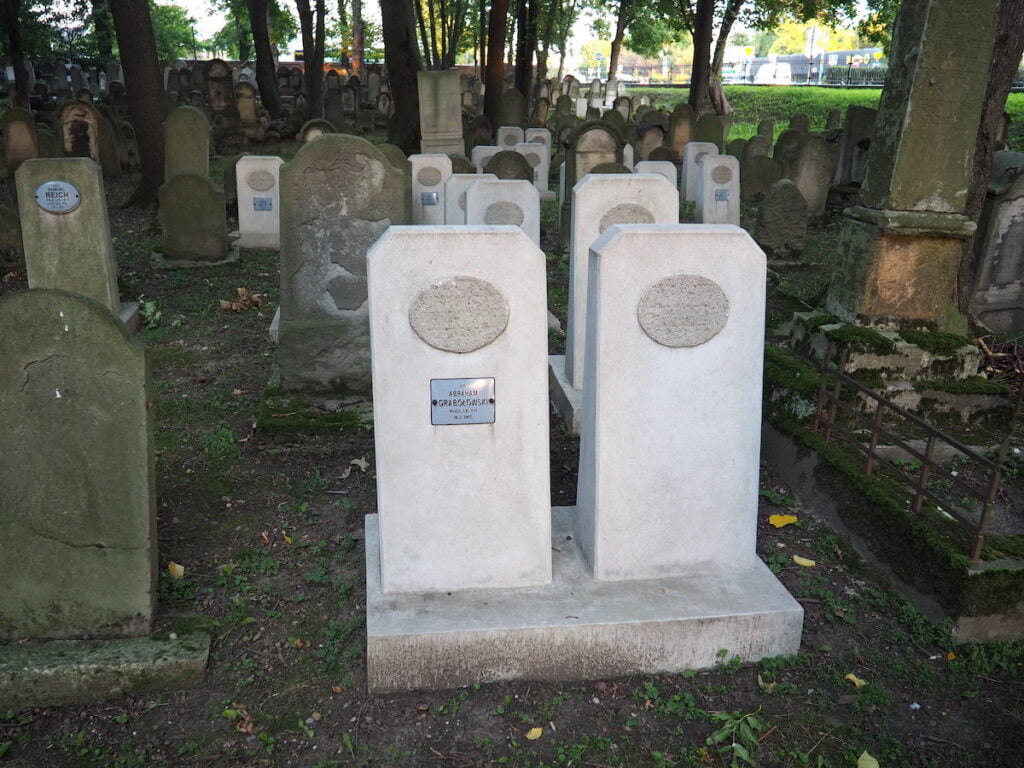
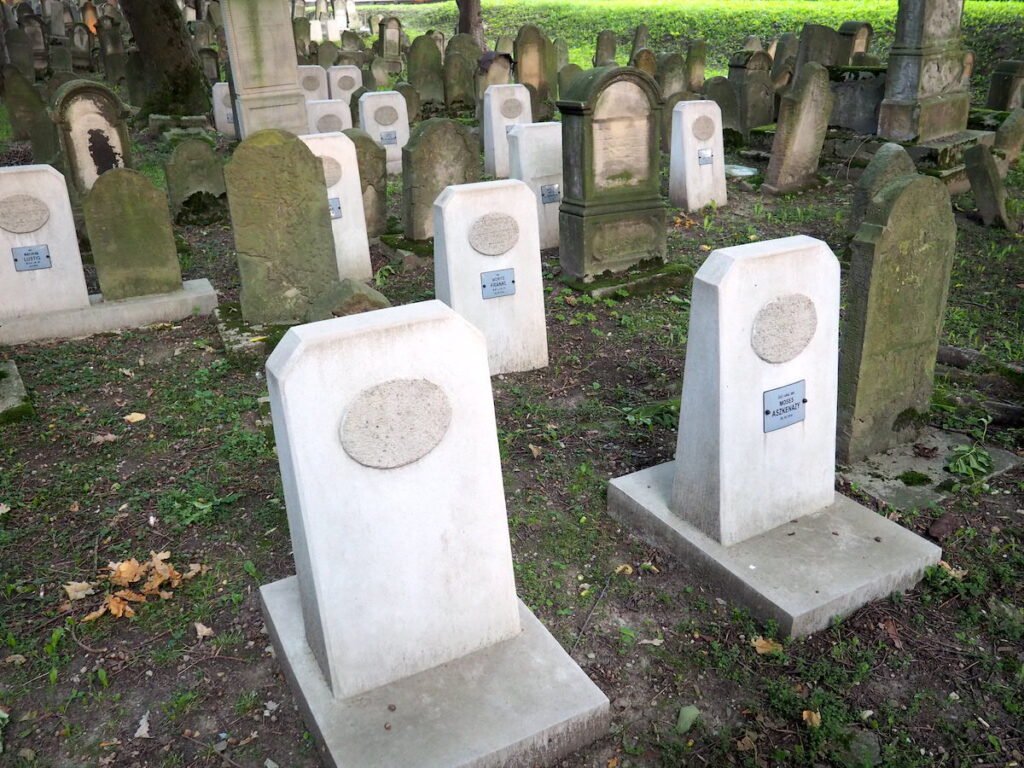
There is a war cemetery section within the Jewish cemetery in Tarnów. Sixty-one Austrian and Russian soldiers from World War I are buried there. These were casualties who died in the years 1914–1915. In the Austrian register of war graves, this site is listed as War Cemetery No. 201. The entire section underwent renovation in 2018, with the Austrian Red Cross as a partner.
If you are interested in this subject, I invite you to read the article “Bimah, kirkut and the old mikveh – the Jews of Tarnów, their traces and history.”